Tag

Gray Matter

All articles tagged with #gray matter

MIND Diet May Slow Brain Aging—Cheese Appears to Lend a Hand
health2 days ago

MIND Diet May Slow Brain Aging—Cheese Appears to Lend a Hand

A study of 1,647 adults over about 12 years found that closer adherence to the MIND diet (Mediterranean–DASH Diet) is linked to slower brain aging: every 3-point increase in the diet score corresponded to 20% less gray-matter loss (roughly 2.5 years of delay) and 8% less ventricular enlargement (about 1 year). Berries and poultry were key contributors; sweets and fried foods worsened hippocampal health. Unexpectedly, higher whole-grain intake was linked to faster decline, while higher cheese intake was associated with slower gray-matter and hippocampal loss and less ventricular enlargement—a notable exception to the diet’s usual limits. Benefits were stronger among older individuals, those who were physically active, and those not overweight, suggesting diet works with other healthy habits to protect brain structure.

MIND Diet Linked to Slower Brain Aging, New Study Finds
science16 days ago

MIND Diet Linked to Slower Brain Aging, New Study Finds

A long-term study of over 1,600 middle-aged and older adults found that stronger adherence to the MIND diet slowed brain aging, with about 2.5 years of reduced aging and 8%–8.8% less ventricular expansion over roughly 12 years; specific foods like berries and poultry were associated with protective brain changes, while sweets and fried foods linked to worse outcomes. The study notes limitations such as demographic homogeneity and lack of APOE data, but suggests the MIND diet could be an accessible strategy to support brain health as populations age.

Two Brain Subtypes in ADHD Hint at Personalized Treatments
neuroscience1 month ago

Two Brain Subtypes in ADHD Hint at Personalized Treatments

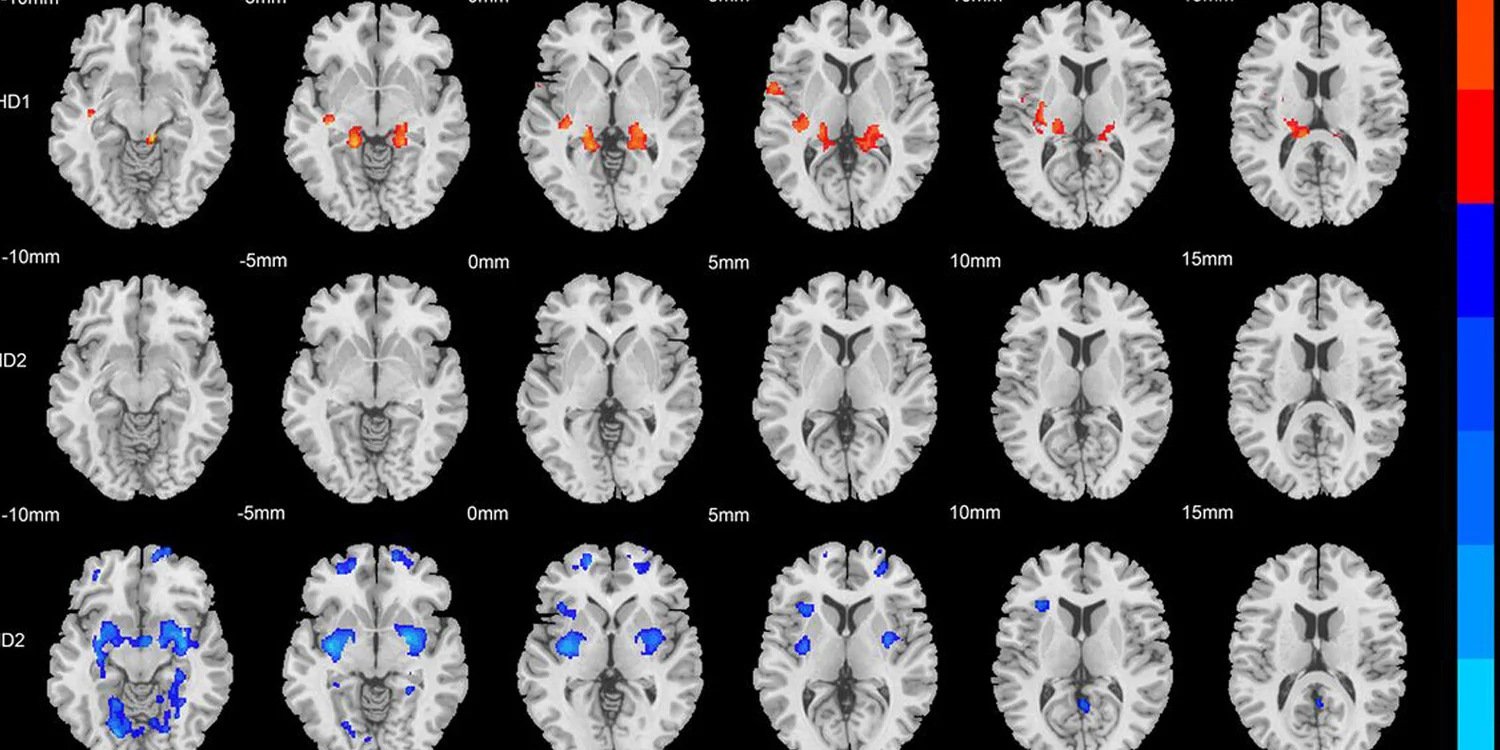
A study using structural MRI and machine learning identifies two distinct physical subtypes of ADHD. Subtype 1 shows increased gray matter in the frontal regions and cerebellum, linked to severe inattention; Subtype 2 shows widespread gray matter reductions in the cerebellum, frontal regions, and hippocampus, tied to higher overall severity and hyperactive/impulsive symptoms. Through a pseudo-time-series analysis and causal-network mapping, researchers reveal subtype-specific brain–behavior progression patterns, suggesting potential for personalized diagnosis and treatment, though longitudinal studies are needed to confirm progression and acknowledge cross-sectional design limitations.

Second Pregnancy Fine-Tunes the Brain Beyond the First
science1 month ago

Second Pregnancy Fine-Tunes the Brain Beyond the First

A Dutch-led study comparing brain scans before/after second pregnancies with first-time and never-pregnant women found that a second pregnancy induces distinctive brain changes—especially in networks processing sensory input and attention—and shows gray-matter reductions likely due to neuroplasticity, not degeneration; while some adaptations mirror the first pregnancy, the second brings additional refinements to support raising two children, with potential links to bonding and maternal mental health.

A Single Scent Enhances Brain Gray Matter
health7 months ago

A Single Scent Enhances Brain Gray Matter

A study found that wearing rose scent oil for a month can increase gray matter volume in specific brain regions, particularly the posterior cingulate cortex, which is linked to memory and association. This suggests that certain scents might influence brain structure and could have potential in preventing neurodegenerative conditions like dementia, although more research is needed.

The Impact of Prenatal Phthalate Exposure on Brain Size and Child IQ
health2 years ago

The Impact of Prenatal Phthalate Exposure on Brain Size and Child IQ

Higher prenatal exposure to certain phthalates, commonly found in commercial products, has been linked to reduced gray matter in children's brains by age 10 and decreased IQ levels at age 14. The study found that alterations in gray matter volumes partially explain the connection between phthalate exposure and lower IQ. Additionally, prenatal exposure was associated with decreased white matter volumes in female children. The widespread exposure to phthalates and lax regulations raise significant public health concerns.

Music Lessons Boost Brain Health and Language Skills in Older Adults and Children
health2 years ago

Music Lessons Boost Brain Health and Language Skills in Older Adults and Children

A study published in Neuroimage: Reports found that music lessons can increase gray matter in several brain regions of older adults, regardless of the type of music lesson. The research suggests that music learning could be a non-pharmacological treatment for age-related cognitive decline. The study involved 132 participants who underwent MRI scans and cognitive assessments before and after six months of music lessons. Both the music intervention group and the control group showed an increase in cerebellar gray matter volume. The group taking piano lessons also demonstrated improved tonal working memory. The study highlights the potential of music interventions as a non-pharmacological approach to improve cognitive function in older adults.

Adolescent Binge Drinking Causes Long-Lasting Brain Changes, Study Finds.
neuroscience2 years ago

Adolescent Binge Drinking Causes Long-Lasting Brain Changes, Study Finds.

Heavy drinking during adolescence can lead to thinner cortical gray matter and altered neurotransmission in adulthood, according to a recent study. The research, which utilized MRI and TMS-EEG technology, found that young adults with a history of heavy drinking exhibited lower gray matter thickness and increased N45 potential, indicative of inhibitory GABA and excitatory glutamate neurotransmitter activity. The study highlights the long-term, detrimental impact of adolescent heavy drinking on adult brain structure and function, particularly in the frontal and parietal lobes.

Smoking Daily Shrinks Brain, Study Finds.
health2 years ago

Smoking Daily Shrinks Brain, Study Finds.

A new study of more than 28,000 people suggests that daily cigarette smoking reduces the size of the brain's gray and white matter. The research provides strong evidence that smoking causally shrinks the brain. The scientists analyzed brain imaging data from the U.K. Biobank and found that participants who smoked on a daily basis at some point prior to having their brains imaged had brain volumes that were 0.4 cubic inches smaller, on average. Brain shrinkage has been associated with neurological diseases, such as Alzheimer’s disease, establishing a causal link between smoking and brain volume decline furthers our understanding of whether smoking directly drives these diseases through this mechanism.

Sex Differences in Gray Matter Atrophy During Aging.
neuroscience2 years ago

Sex Differences in Gray Matter Atrophy During Aging.

A recent study has found that gray matter volume in various cortical areas decreases by an average of 5.25% per decade, with the rostral anterior cingulate cortex experiencing the most significant reduction. Men generally experience a higher rate of gray matter volume decrease than women, particularly in the cingulate lobe. The study's findings provide a normative reference for clinical conditions that involve abnormal brain atrophy, emphasizing the need for personalized and targeted strategies to manage age-related brain volume loss.