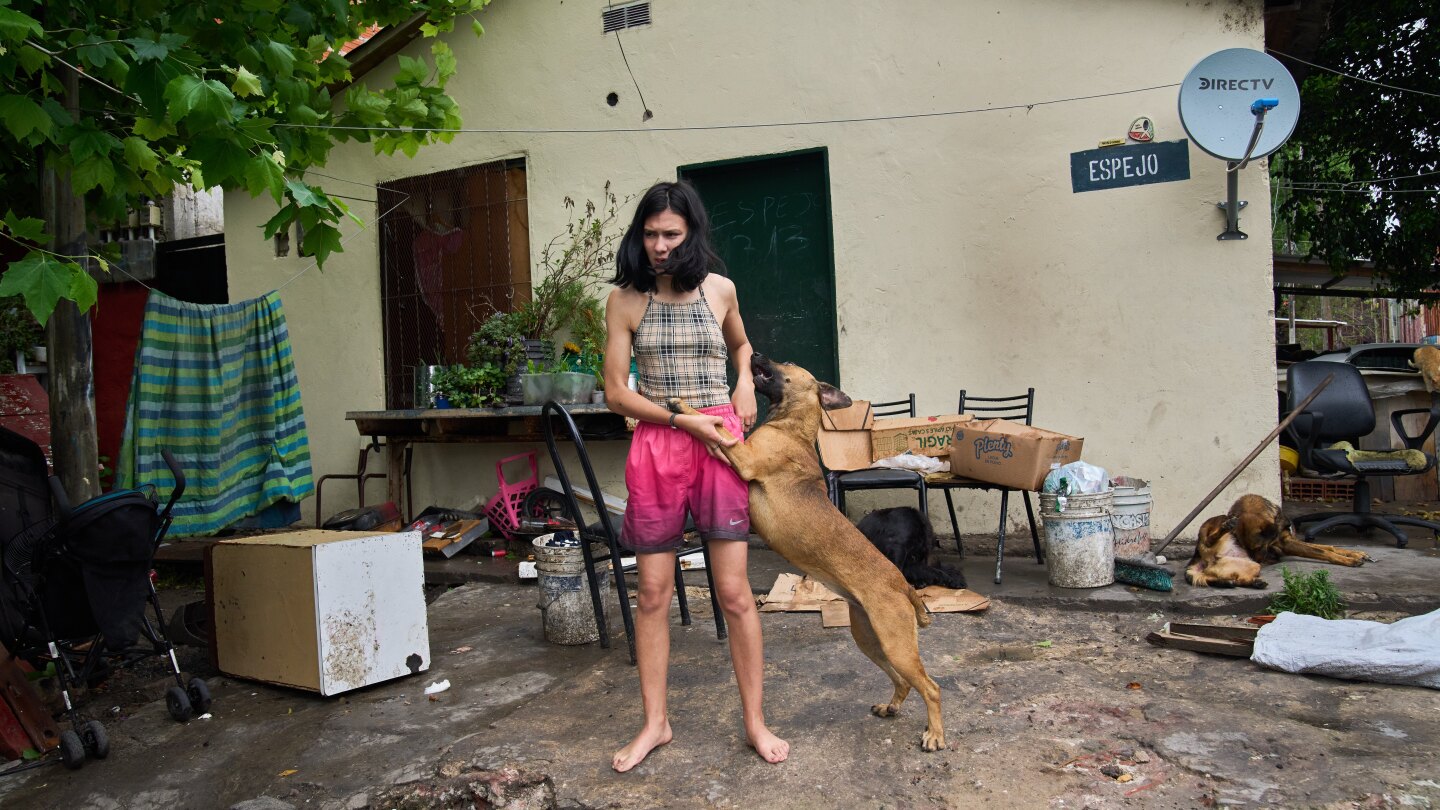
Argentina's upcoming midterm elections are a critical test for President Javier Milei's economic reforms amid starkly contrasting economic realities across the country, with market fears of a return to Peronist policies and potential impacts on foreign aid and the peso.
Argentina's Supreme Court upheld the corruption conviction of former President Cristina Fernández de Kirchner, resulting in a six-year jail sentence and a lifetime political ban, significantly impacting the country's political landscape and the future of Peronism.
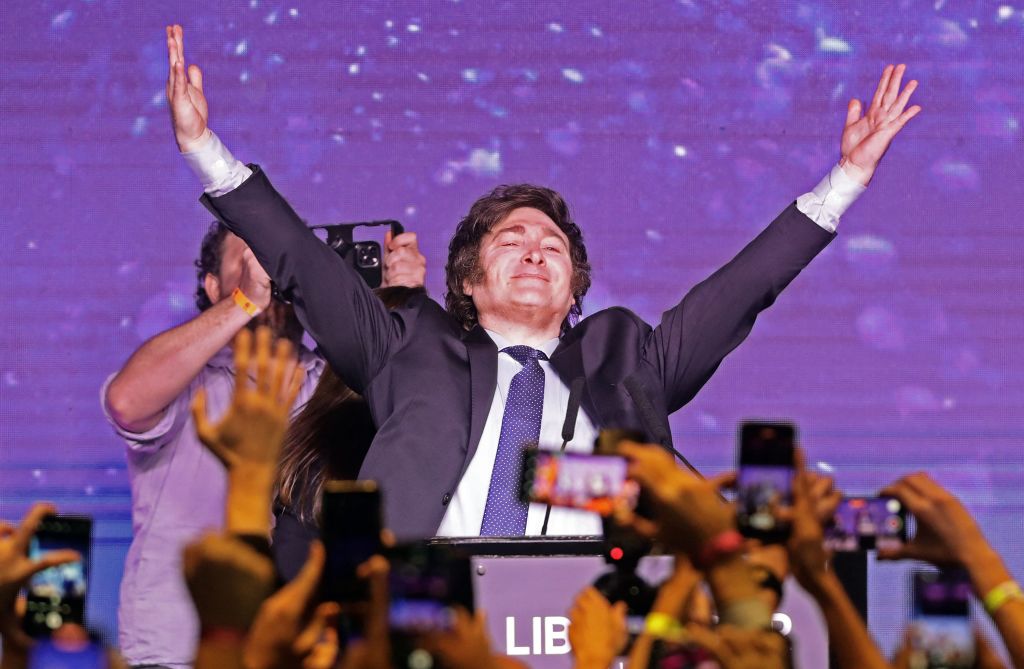
Argentina is set to hold a presidential runoff between far-right libertarian candidate Javier Milei and ruling party candidate Sergio Massa. Milei, known for his eccentricities and brash statements, denies climate change and aims to radically slash state spending. Massa, a more market-friendly centrist, has distanced himself from polarizing Peronist figures. Milei promises to cut public spending, abolish the central bank, and replace the Argentine peso with the U.S. dollar, while Massa advocates for slow and steady fixes to the economy. The election is taking place amidst Argentina's worst financial crisis in years, with polls too close to call and concerns about the country's future economic stability.
The recent Argentine election saw a surge in support for the hard right, with extreme right-wing libertarian candidate Javier Milei winning first place. The liberal-conservative opposition came second, and Peronism, for the first time in history, came in third. The election was marked by a security crisis and an economic crisis, with Milei capitalizing on the economic situation and Bullrich capitalizing on the security crisis. Milei's libertarianism resonated with a popular and lower-middle class world at risk, while Bullrich's victory in the internal elections positions her as a potential candidate for the presidency. Peronism, led by Sergio Massa, faced rejection from a large part of the Peronist militancy. The election results reflect a growing discontent and frustration among the Argentine electorate.