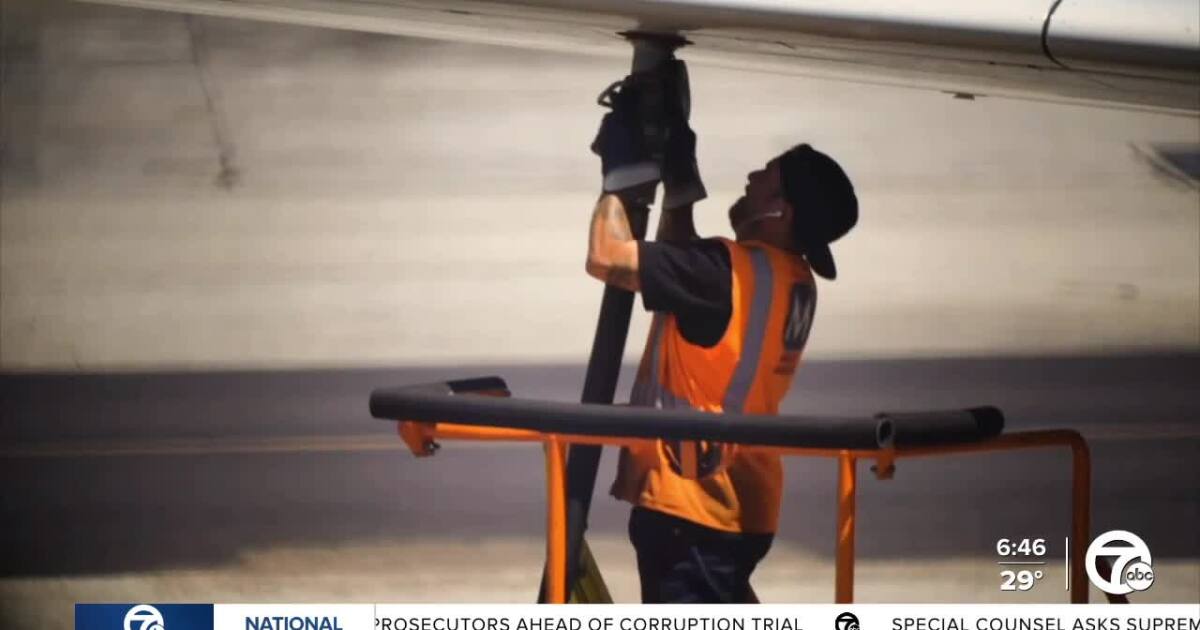
A large meta-analysis of 74 studies (4.2 million people, ages 45–93 across 30 countries) shows exercise done at work is linked to a 20% higher dementia risk, while leisure-time activity lowers risk by about 24%, underscoring that not all physical activity yields brain benefits.
The Physical Activity Paradox challenges the conventional understanding of exercise and its impact on the health of workers with physically-demanding jobs. Research suggests that exercise from physically-demanding jobs, such as mechanics or construction workers, may not lead to better health outcomes compared to leisure activity like jogging or swimming. In fact, it could have the opposite effect, potentially being detrimental to cardiovascular and mental health. Occupational physical activity often involves long hours of repetitive, strenuous tasks, leading to increased inflammation and a higher risk of musculoskeletal disorders, cognitive impairment, and dementia. To mitigate these risks, workers in physically-demanding jobs should incorporate stretches, recovery time, ergonomics, and leisurely physical activity to offset the harmful effects of their occupational physical activity.