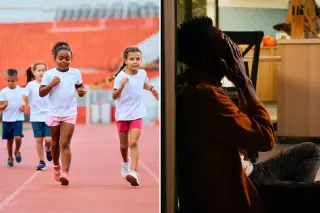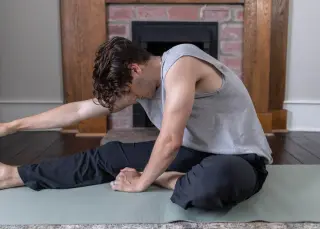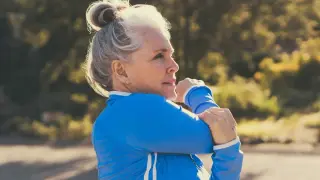
Experts say to boost energy for workouts by prioritizing sleep, optimizing nutrition and caffeine use, selecting enjoyable and appropriately paced activities, and adjusting exercise intensity and mindset to improve motivation.
A large study of tens of thousands finds that adding about five minutes of sleep, two minutes of exercise, and roughly half a serving of vegetables to daily routines could add a year or more to lifespan.
New research shows cognitive aging isn’t inevitable. The POINTER study found seniors who combined regular exercise, a brain-healthy diet, social engagement, and stress reduction improved cognitive scores to levels typical of people 1–2 years younger. Practical tips include at least 150 minutes/week of moderate activity, good sleep consistency, meaningful social connections, the MIND diet (greens, berries, nuts, omega-3 fish), and lifelong learning to build cognitive reserve—no prescriptions or special devices required.
GLP-1 weight-loss injections can jump-start shedding pounds, but long-term success hinges on lifestyle: regular exercise, better food choices, adequate sleep, and attention to mental health. One patient lost 110 pounds after adding a six-days-a-week workout plan. Doctors warn about potential complications (pancreatitis, gallstones, kidney injury) if dosage is increased too quickly or misused, underscoring the need for medical supervision. Access and cost remain barriers, with limited insurance coverage for obesity and forthcoming Medicare coverage; online suppliers may lack dosing guidance and safety information.
Strength coach Patrick James says most people don’t need bodybuilding-level training to gain results. For the average trainee, the minimum effective dose is two 45-minute full-body workouts per week, focusing on generating sufficient mechanical tension and progressive overload to build muscle and resilience without excessive volume.
A global meta-analysis of 30 randomized trials finds that high-intensity yoga, practiced under 30 minutes twice weekly for 8–10 weeks, most effectively improves sleep quality in people with sleep disturbances, outperforming walking, resistance training, and other exercises, though results vary and more high-quality research is needed.
Analyzing 53,000 UK Biobank participants over 8 years, researchers found that adding 11 minutes of sleep, 5 minutes of daily activity, and a small veggie boost lowers major cardiovascular-event risk by about 10%; those with optimal habits (8–9 hours sleep, ~42 minutes daily moderate-to-vigorous activity, and a better diet) had 57% lower risk. The study is observational, so it can’t prove causation, but suggests small, sustainable lifestyle tweaks can meaningfully improve heart health.
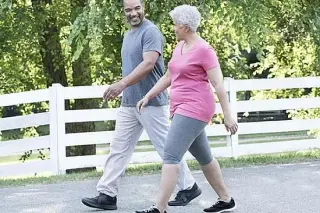
A small Latvian study of 18 healthy premenopausal women (~41 years old) found that just 30 minutes of low‑intensity walking triggered changes in blood that increase anti‑cancer activity (myokines) and slowed the proliferation of HER2‑positive breast cancer cells; exercising 30–45 minutes at a moderate-to-high intensity produced stronger effects. Presented at the European Breast Cancer Conference, the findings align with public‑health guidance that regular activity may help prevent cancer, but researchers caution the results are preliminary and require further study.
A GP outlines five daily habits linked to healthier aging: maintain and build muscle to combat sarcopenia and frailty; prioritise sleep and recovery (aiming for seven hours with consistent bedtimes); reduce chronic inflammation through diet, activity, and stress management; and enjoy life in moderation while maintaining social connections, with small, repeated choices over years potentially adding years to life and lowering risks of heart disease and cognitive decline.
A Danish study followed 193 adults after an eight-week very-low-calorie diet and randomized them to exercise, a GLP-1 drug (liraglutide), both, or neither for a year. While the drug helped maintain weight loss, fitness improvements came from exercise—taking the drug without exercising offered little benefit, and combining both yielded the best weight maintenance. Across measures like stair-climb time and VO2 max, exercise consistently boosted fitness, underscoring that GLP-1 meds aren’t a substitute for physical activity.
Researchers identify DEAF1 as a driver of aging-muscle decline through overactive mTORC1, which disrupts protein turnover. Exercise lowers DEAF1 via FOXO-regulated pathways, restoring balance and enabling damaged proteins to be cleared, helping aging muscles repair and stay stronger; however, high DEAF1 levels or very low FOXO activity can blunt exercise benefits. Findings from fruit flies and mice suggest potential therapies that mimic exercise to protect muscle health during aging or illness.
A Cell study in mice finds that exercise strengthens the brain’s protective blood-brain barrier via a liver-released protein, improving memory and learning in a mouse model of Alzheimer’s disease; researchers hope this mechanism translates to humans.
A study republished from The Conversation reports that 12 weeks of online, ballet-modern inspired dance classes held twice weekly for women aged 65+ led to less mediolateral sway, improved dynamic balance, and greater calf strength, suggesting online dance can be a fun, accessible form of balance training that helps daily activities and independence. The program, conducted via Zoom with safety support, could overcome barriers to exercise and is expanding to reach more communities, with future work exploring variations like blood flow restriction training.
A woman who couldn’t hold a plank at 59 transforms her fitness with guidance from her strength-training son, proving gradual, structured strength work can counter age-related decline and even enable pull-ups at 76.
Experts say bone density improves with exercise, with guidance for 30 minutes of daily impact activity, 15–20 minutes of weight/resistance training several times a week, and daily balance work to reduce fracture risk. The HuffPost piece suggests approachable at‑home gear—foam balance pads, weighted vests, mini stair steppers, resistance bands, supportive shoes, walking pads, adjustable dumbbells, and even a pickleball paddle set—to add bone-strengthening loading on a budget. Start gradually with lower resistance, consult a physician, and mix bodyweight and free‑weight routines to boost bone density.