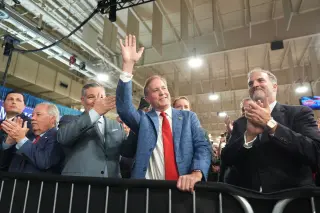
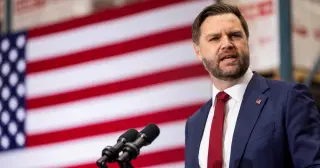
Despite spending half a billion dollars since Labor Day, Republicans have failed to move polls in their favor for the 2026 midterms. Democrats maintain a lead on the generic ballot, while GOP strategists rely on massive financial advantages to counteract declining approval ratings for President Trump.
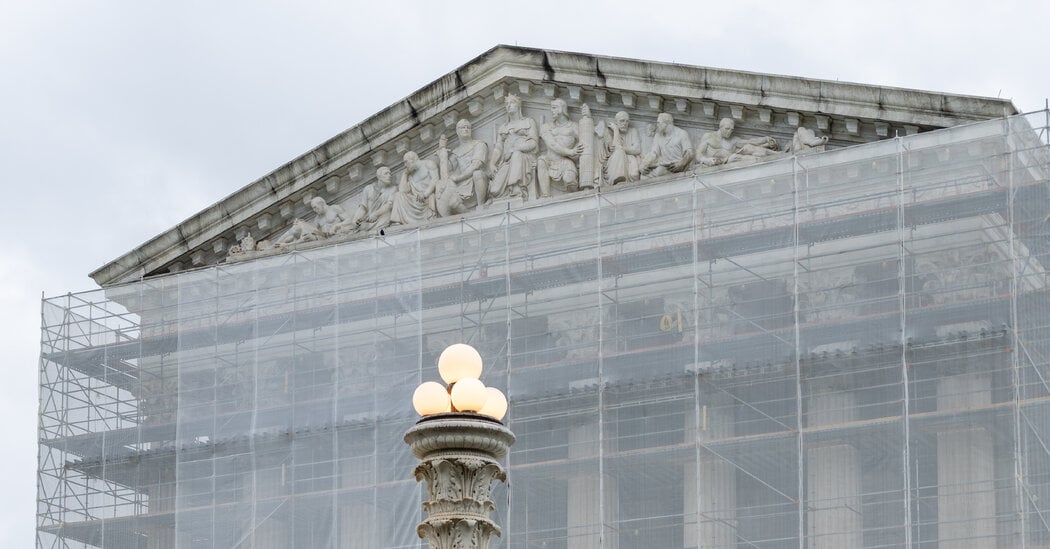
The Supreme Court, in a 6-3 decision authored by Justice Kavanaugh, struck down longstanding federal limits on how much national party committees can spend in coordination with candidates, ruling such caps violate the First Amendment. The ruling lets parties spend unlimited money in coordination with candidates while independent expenditures remain unrestricted but must be separate from campaigns. Republicans cheered, arguing the decision levels the playing field, while Democrats warned it empowers billionaires and special interests. The change follows decades of rollback of campaign-finance rules since Citizens United and could boost party spending in the 2026 elections; the old caps—up to about $4 million for Senate races and around $127,000 for large House seats—no longer constrain coordinated spending.
A POLITICO poll conducted with Public First finds about 72% of Americans say there is too much money in U.S. politics, with broad cross‑party concern that wealth and outside groups shape or even buy election outcomes; Democrats are more likely to oppose money in politics, while Republicans show less intense views. The survey also notes record midterm spending and a rising role for outside money tied to AI, crypto and other industries, contributing to a sense that voters have too little power and that billionaire influence is outsized.
A POLITICO poll finds Americans skeptical of both AI and cryptocurrency even as pro-AI and pro-crypto groups pour tens of millions into competitive 2026 races and lobbying. About 45% say investing in crypto isn’t worth the risk and 44% say AI is developing too quickly; two-thirds want federal AI rules, and nearly half trust traditional banks more than crypto. Leading the Future has raised over $75 million and Fairshake around $28 million to back candidates, signaling a new era of industry-driven spending that could face voter pushback if perceived to overwhelm politics.
The Supreme Court is set to hear a case challenging the constitutionality of restrictions on political party spending in coordination with candidates, potentially reshaping campaign funding laws established in 1974.
The Supreme Court will hear a case challenging longstanding limits on how much political parties can spend in coordination with candidates, a decision that could significantly impact campaign funding and political speech laws in the U.S.
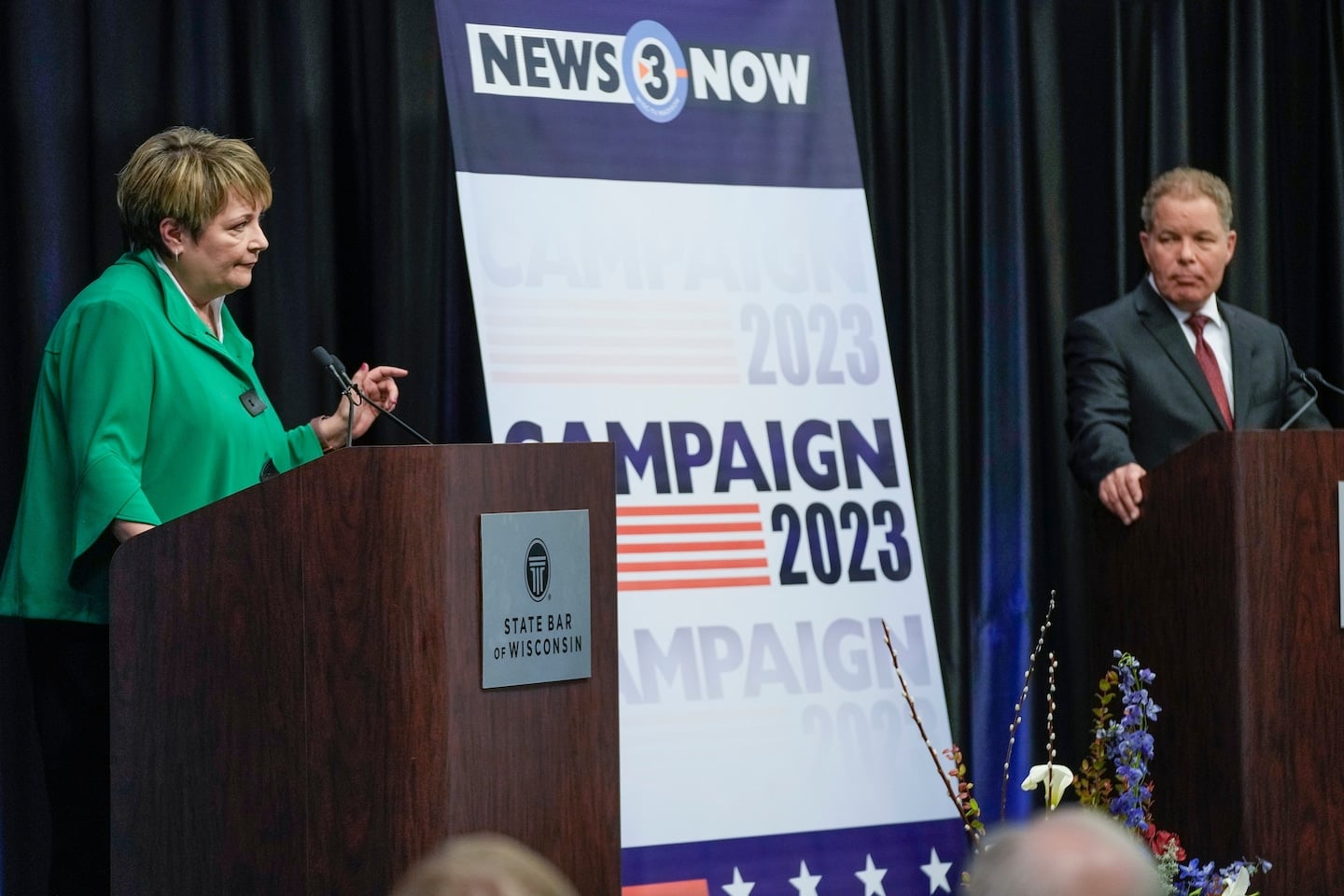
The most expensive judicial race in US history is taking place in Wisconsin, where the election for a seat on the state's Supreme Court will determine whether liberals or conservatives control the branch of government that will soon decide the fate of the state's abortion ban. The candidates, political parties, and ideological groups have spent more than $30 million on the race, obliterating the record for a judicial election that was established two decades ago in Illinois. The race exemplifies how judicial elections have become infused with politics and suggests that trend could intensify as state courts deal with more volatile issues.