Graphene-powered space elevator edges toward reality, but cost and risks loom.
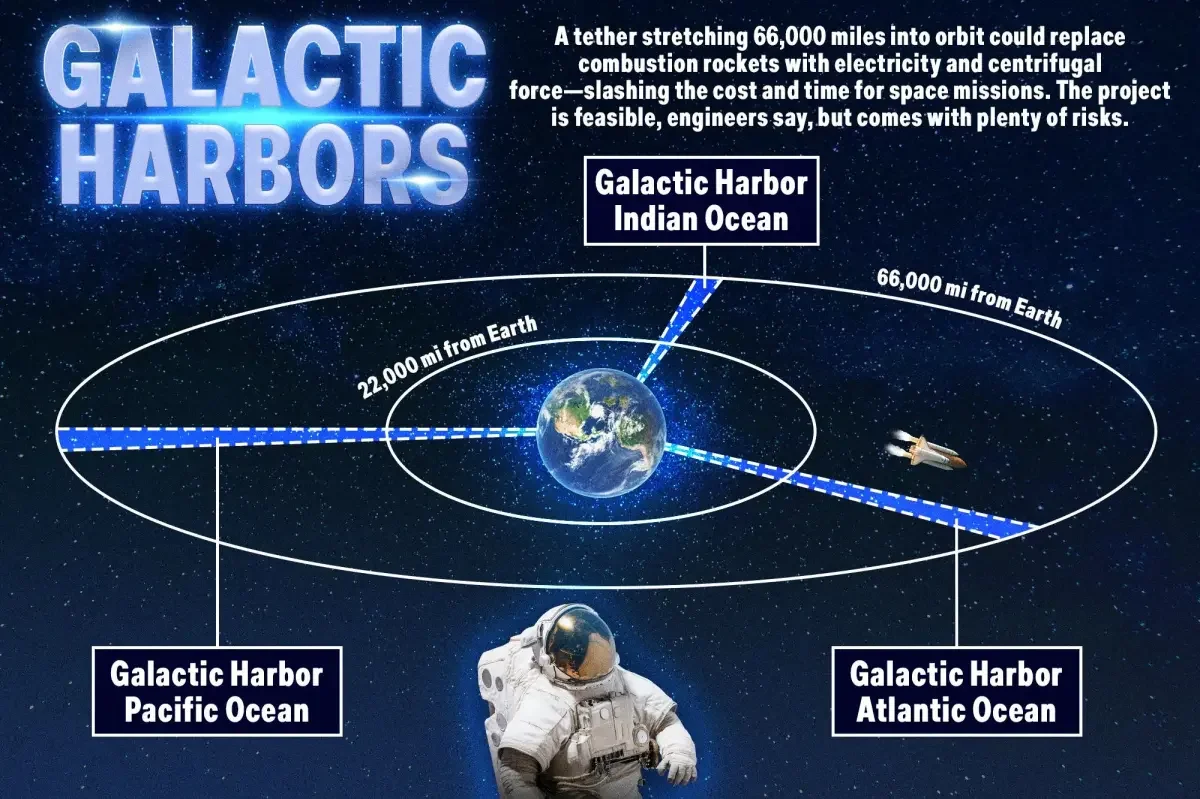
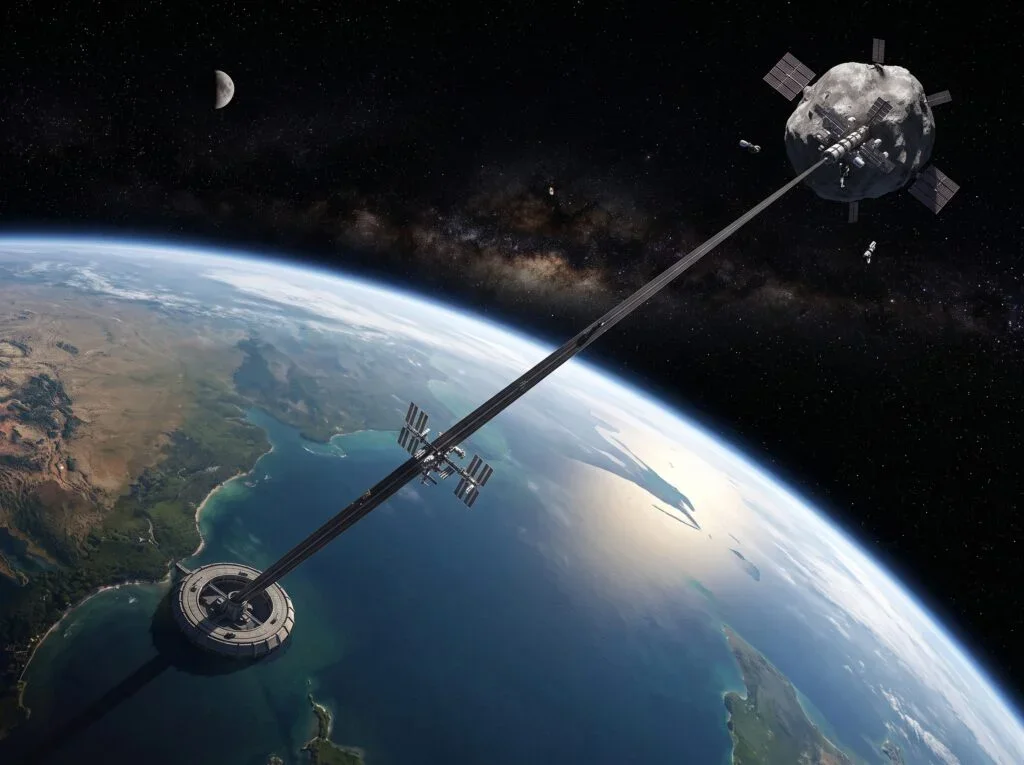
Researchers at the International Space Elevator Consortium say polycrystalline graphene could serve as a 62,000-mile tether for a space elevator, enabling climbers to reach a counterweight beyond geostationary orbit. If built, payloads could reach space at about 16,000 mph, with Moon missions potentially taking ~14 hours and Mars trips ~61–120 days depending on planetary alignments. Yet major hurdles remain: manufacturing a tether that long and withstands debris, safety considerations, and a hefty price tag—roughly $15 billion for a robotic first phase. Even optimistic timelines suggest 10–20 years to complete, with returns likely focused on cargo before people. Sources: New York Post, NDTV.