Tag

Postherpetic Neuralgia

All articles tagged with #postherpetic neuralgia

Shingles: A Painful Hidden Risk Doctors Urge Vaccination Against
health1 month ago

Shingles: A Painful Hidden Risk Doctors Urge Vaccination Against

Shingles (reactivation of the varicella zoster virus) is not a mild illness for many: it can cause severe acute pain, long-lasting nerve pain (PHN), and increases the risk of stroke in the following year; antiviral treatment works best within 72 hours, yet vaccination rates remain low in the US and UK, leaving millions exposed and underscoring the need for greater awareness and uptake.

Shingles Vaccine: Side Effects and Doctor Recommendations.
health2 years ago

Shingles Vaccine: Side Effects and Doctor Recommendations.

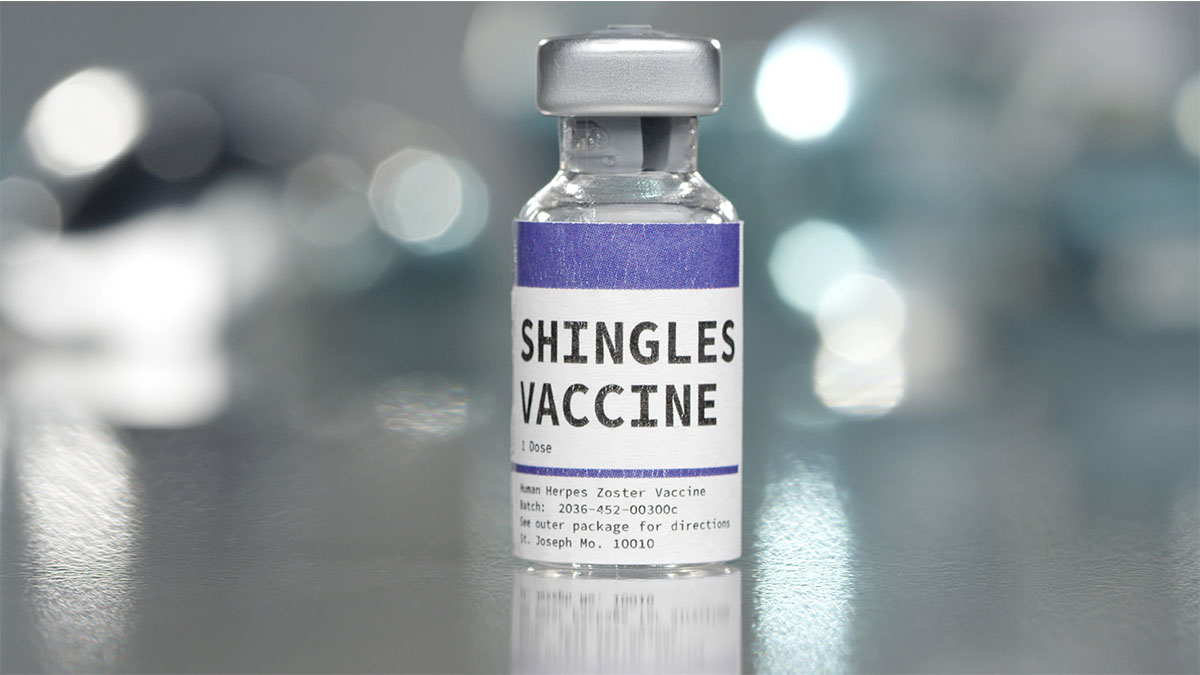
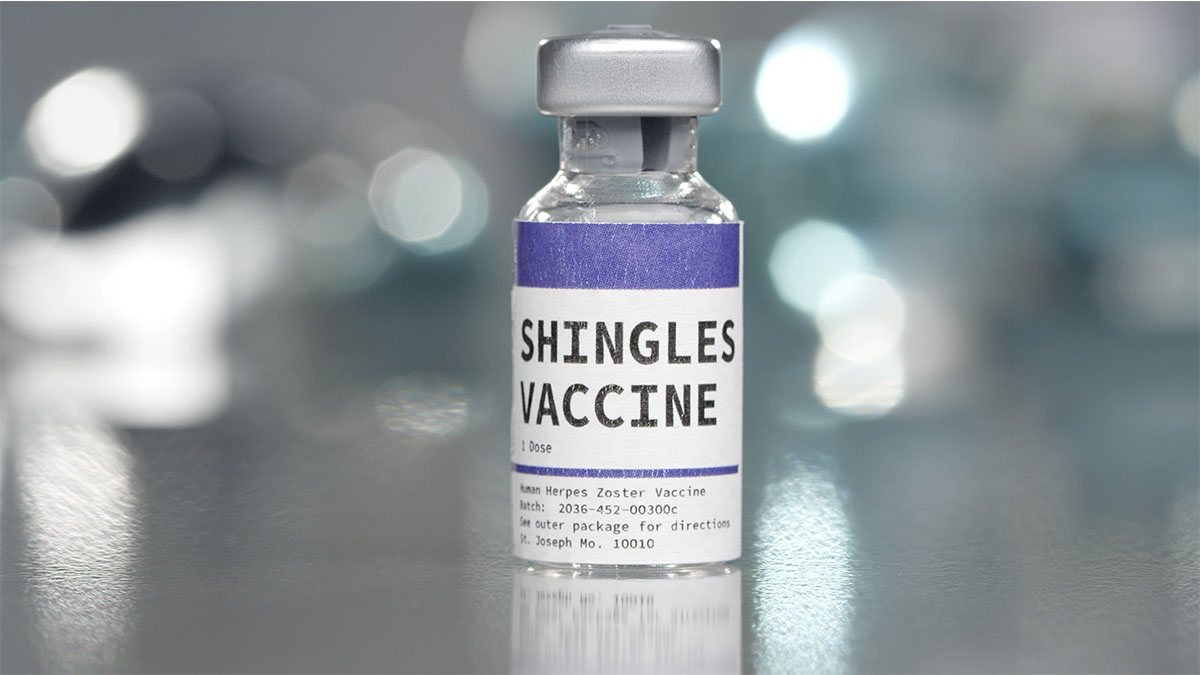
Shingles is a viral infection that can cause a painful rash or small fluid-filled bumps on the skin, and can lead to postherpetic neuralgia. The shingles vaccine (Shingrix) is highly effective at preventing shingles and related complications, but only one-third of the target population has been vaccinated. People over 50 or who are at high risk for shingles should get the vaccine, which is covered by most private insurance between the ages of 50 and 65 and by Medicare after age 65. The vaccine can cause soreness, swelling, tenderness, headache, and fatigue, but the protective effects last for the rest of your life.

Understanding the Shingles Vaccine: Side Effects and Expert Opinions
health2 years ago

Understanding the Shingles Vaccine: Side Effects and Expert Opinions

Shingles, a viral infection caused by the varicella zoster virus, can cause a painful rash and postherpetic neuralgia, which can last for months or even years. The risk of developing shingles increases with age, and certain medical conditions and medications can also elevate the risk. The shingles vaccine, Shingrix, is highly effective at preventing shingles and its complications. Common side effects of the vaccine include soreness, swelling, and tenderness at the injection site. The protective effects of the vaccine last for the rest of one's life, making it important for individuals over 50 or at high risk to get vaccinated. The vaccine is typically covered by private insurance between the ages of 50 and 65, and Medicare covers it for individuals aged 65 and older.