A Lancet study from Sweden’s Karolinska Institute finds that Long Covid can damage the heart, with about 18% of women reporting a cardiovascular event and evidence the condition may disrupt autonomic nervous system function, underscoring growing concerns about lasting cardiac risk among those affected.
Experts say long COVID may affect nearly 6 million U.S. children, diagnosed by a pattern of symptoms rather than a single test. The article follows 16-year-old Kaylee Joaquim, whose fatigue and pain after a field trip illustrate how long COVID can limit daily activities and stamina for young people.
A German analysis of ~146,000 health-insured adults (half vaccinated) from Sept 2022–Mar 2024 found vaccination linked to fewer COVID-related hospitalizations (0.30 vs 0.75 per 100 people/year), fewer long-COVID diagnoses, and lower all-cause mortality (4.5 vs 6.0 per 100/year). Vaccinated individuals incurred lower COVID-related hospital costs (€21 vs €64 per person/year), totaling about €1 million in savings, plus €1.3 million less in productivity losses due to fewer sick days. Benefits were greater among older adults and those with underlying conditions. The study underscores the clinical and economic value of seasonal COVID vaccination and uptake.
A NIH-funded RECOVER study of 1,976 youths aged 6–17 found that long COVID is linked to worse post-pandemic grades, more difficulty concentrating, and reduced social engagement. School-aged children with long COVID showed 18% worse grades vs 7% without, while adolescents showed 29% vs 11%; concentration problems were 38% vs 14% in younger kids and 37% vs 11% in teens. AEP/IEP pursuit and diminished peer fun were more common in those with long COVID as well. The authors call for expanded school-based supports and targeted interventions to mitigate potential long-term developmental impacts.
A Yale-led study of 595 adults with long COVID found that new eye symptoms after infection (blurred vision, dry eyes, floaters) are linked to a more severe disease profile, including worse overall health, higher autonomic symptoms (POTS, dizziness, tremors), more GI issues and migraines, and greater financial/housing instability; authors say ocular symptoms may indicate more-severe long COVID and call for more research, though limitations include self-reported data and a predominantly female/White sample.
A single-cell multiomics study of Long COVID patients found a distinct molecular state in CD14+ monocytes (LC-Mo), especially common in those who had mild-to-moderate initial infection. LC-Mo correlates with fatigue and respiratory symptoms and is linked to elevated cytokine levels, offering a new lead for personalized treatment and deeper understanding of Long COVID.
Doctors warn that catching COVID again isn’t harmless: reinfections are linked to a higher risk of long COVID and chronic conditions like diabetes or kidney disease, with CDC data showing substantial hospitalizations and deaths in the latest year. The best defense is staying up to date with annual vaccines, which reduce the risk of severe disease and long COVID, though there is currently no cure for long COVID. Management focuses on symptoms and quality-of-life improvements through rehab, sleep and mental health support; if you suspect long COVID, consult your healthcare provider.
A Swiss multicenter study of healthcare workers followed for up to four years after infection with ancestral SARS‑CoV‑2 found that up to 60% still reported at least one symptom four years later; fatigue, loss of smell/taste, and brain fog were most common, and while most symptoms waned over time, a substantial minority continued to experience long COVID, highlighting the need for long‑term clinical and occupational support.
A Verge feature explains how the author uses wearables to pace energy for long covid and POTS—using Whoop, Visible, and Garmin not to push harder but to manage daily life, gain data that validates changes to doctors and family, and influence wearable design for disability.
In the VIVID randomized trial, Mass General Brigham researchers found that high-dose vitamin D3 did not reduce COVID-19 severity, hospitalizations, or transmission. However, among participants who consistently followed the supplementation regimen, there was a borderline-significant hint that long COVID symptoms eight weeks after infection were less common (21% vs 25% in the placebo group), meriting further study. The trial enrolled 1,747 COVID-positive adults and 277 household contacts across the U.S. and Mongolia, using a regimen of 9,600 IU/day for two days then 3,200 IU/day for four weeks, starting about three days after a positive test. The study, published in The Journal of Nutrition, emphasizes no clear acute benefits but suggests a potential long-COVID effect in adherent users.
A large randomized trial (VIVID) found that high-dose vitamin D3 did not reduce short-term COVID-19 severity, hospitalizations, or transmission. However, among participants who consistently took the supplement, there was a borderline-significant reduction in long COVID symptoms at eight weeks (21% vs 25%), suggesting a possible benefit that warrants further study.
A study in Chemical Senses followed 28 adults with lasting post-COVID taste changes, finding both weakened molecular signaling in taste cells and structural anomalies in taste buds; eight participants had clearly abnormal taste scores, with sweet, bitter, and umami most affected while salty and sour were largely preserved. Biopsies showed disorganized taste buds and atypical taste cells, though no SARS-CoV-2 genetic material was detected in the tissue, suggesting the virus doesn't linger there. The researchers propose that initial infection-triggered inflammation or nerve signaling disruption may underlie persistent taste loss, which can persist even as taste buds regenerate, highlighting cellular targets for future treatments.
Flu has surged this season while COVID-19 remains present but generally milder; the CDC estimates about 25 million flu infections, 330,000 hospitalizations, and 20,000 deaths, versus 3–9 million COVID illnesses, 96,000–170,000 hospitalizations, and 10,000–30,000 deaths. Vaccines and prior immunity are blunting severe outcomes for both, but flu’s circulating H3N2 mutation and uneven vaccination uptake keep the outlook uncertain, and studies suggest COVID-19’s acute impact may be waning even as questions about long-term effects and coinfections linger.
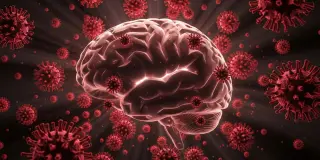
A Tulane study using a mouse model found that while both COVID-19 and influenza can cause lasting lung injury, only SARS-CoV-2 infection led to persistent brain inflammation and microvascular damage after the virus was no longer detectable, helping explain long-COVID brain symptoms and highlighting distinct brain-attack mechanisms from flu; findings could inform post-infection monitoring and treatment.
A Yale-led study using NHIS data estimates that by 2024 about 8.3% of U.S. adults (roughly 21 million) had ever had long covid, with around 60% reporting recovery. The risk of developing long covid declined over the pandemic (from ~19.7% to 13.7%), while recovery rates rose (from ~51.2% to 59.7%), though self-reported data and the lack of a proven treatment introduce limitations. Findings align with NIH RECOVER and indicate millions remain affected and in need of understanding and care.