A woman’s bruising from a massage gun led to the discovery of scurvy, a rare vitamin C deficiency, highlighting that despite being considered eradicated, scurvy can still occur and cause severe health issues in modern times.
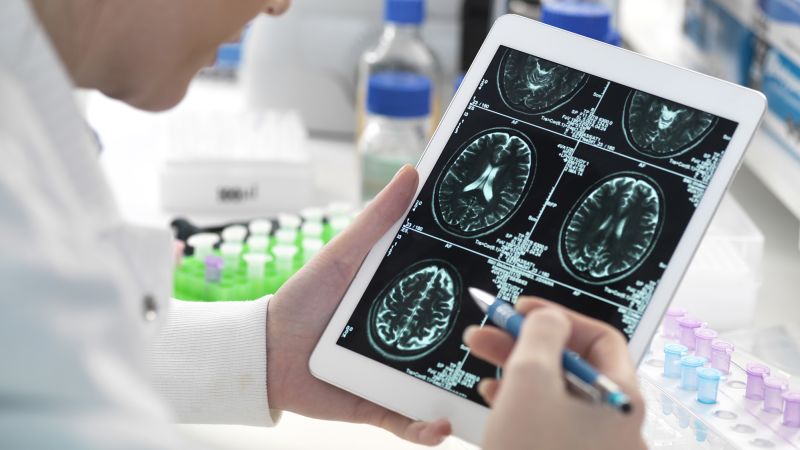
A new study suggests that early-onset dementia symptoms in five adults may be linked to receiving a now-discontinued human growth hormone treatment derived from cadavers as children, which may have transmitted amyloid beta protein, a key component of Alzheimer's disease. The study raises questions about the potential transmission of Alzheimer's disease and suggests that in rare circumstances, it may be transmissible through medical procedures. While the public has nothing to fear as this treatment is no longer in practice, the findings emphasize the need for reviewing measures to prevent accidental transmissions via other medical and surgical procedures.
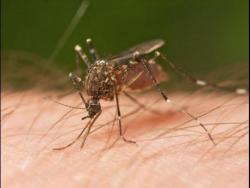
Health officials in California have confirmed two cases of dengue fever, a mosquito-borne illness, in individuals who did not travel outside the United States. This is an extremely rare occurrence of local transmission in the continental US. The cases, one in Pasadena and another in Long Beach, are under investigation, but it is believed that the individuals were infected with the dengue virus after being bitten by mosquitoes in their local areas. Dengue fever is common in tropical regions and can cause high fevers, headaches, muscle pain, and in severe cases, internal bleeding. The risk of exposure to others is considered low.
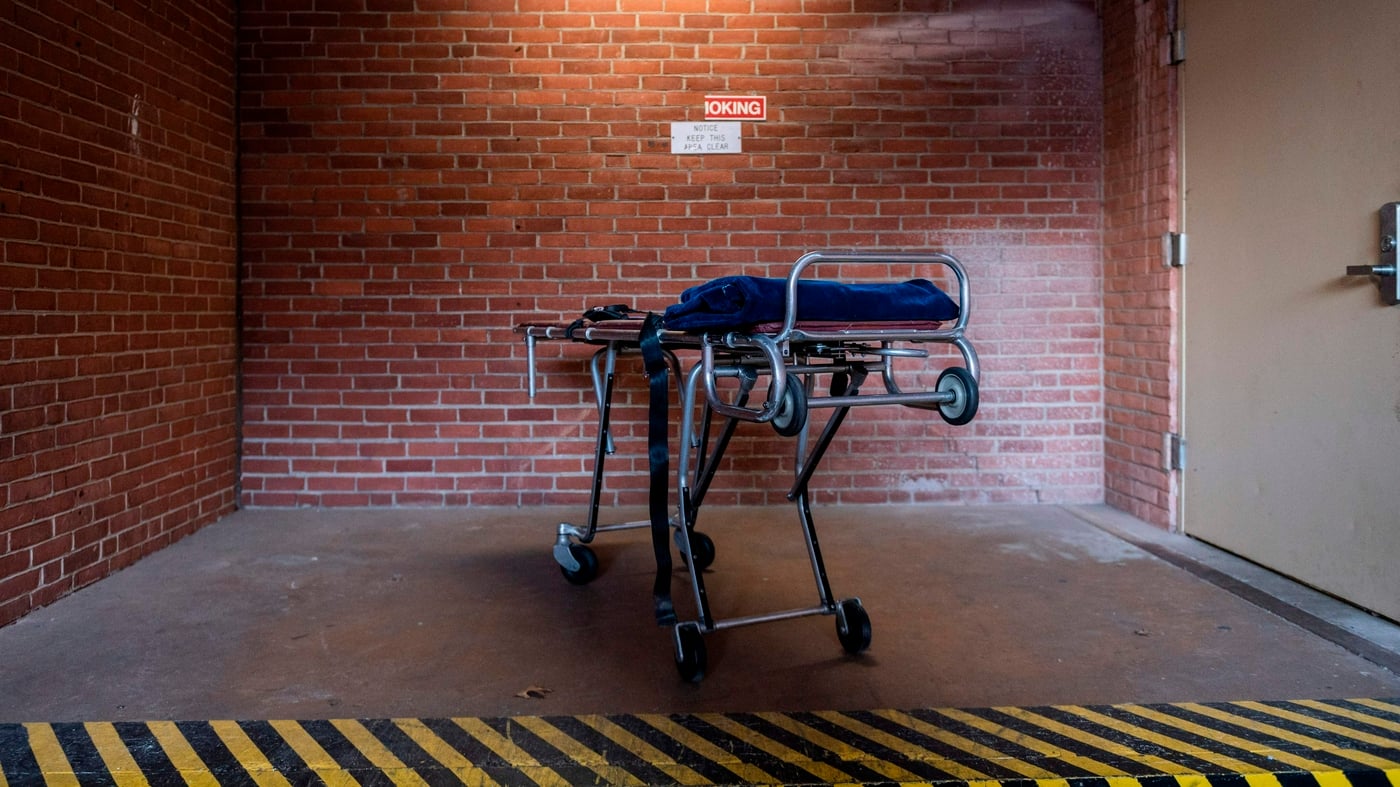
A woman in Ecuador was mistakenly declared dead but later showed signs of life from her coffin. Though such cases garner widespread attention, they are exceedingly uncommon, with probably only a handful of cases worldwide per year of medical professionals erroneously pronouncing a patient dead. Determining whether a patient is dead involves trying to get them to respond, looking for signs of blood pumping and breathing, and shining a light in the patient's eye to see if their pupils dilate in response. Living people could be mistaken for dead due to poor medical education, hurried examination, exposure to cold water, or certain drugs.