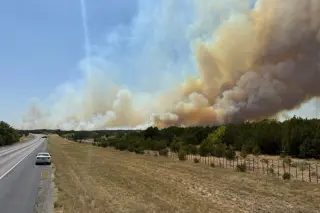
Evacuations were ordered in rural Texas as the Ross Fire grew, while crews began to contain the Hawk Fire in the Reno, Nevada area, where the blaze destroyed more than 30 homes and forced residents to shelter at the Reno-Sparks Convention Center.
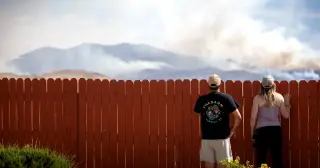
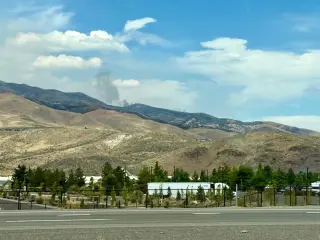
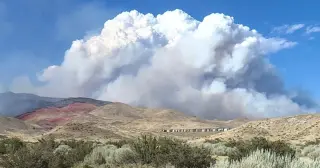
A fast-moving wildfire in the Peavine Peak area near Reno, Nevada, known as the Hawk Fire, forced about 90,000 people to evacuate as shifting winds pushed flames across rugged terrain; the blaze burned over 23 square miles with no containment and injured six people, with homes destroyed and more at risk. Nevada Gov. Lombardo declared a state of emergency and mobilized the National Guard and about 800 firefighters as power outages affected thousands, roads were closed, and evac centers opened while authorities warned the fire could make dangerous runs for days.
A fast-spreading, human-caused wildfire near Reno expanded to over 23 square miles, forcing about 90,000 residents into evacuation and warning zones with zero containment as shifting winds drove extreme fire behavior. Nevada Governor Lombardo declared a state of emergency and mobilized the National Guard and roughly 800 firefighters; thousands lost power and major routes like US 395 were closed. Evacuation centers opened in Reno–Sparks, residents fled homes with possessions as flames jumped across roads, and officials warned conditions could worsen for days as crews battled the blaze.
The Hawk Fire north of Reno grew to more than 10,500 acres, forcing about 14,000 evacuations and prompting a state of emergency as the Nevada National Guard was mobilized for aerial firefighting; roughly 400 personnel from multiple agencies battled the blaze amid strong winds, low humidity and dry vegetation. Thousands lost power, major routes were closed, and evacuation centers were opened (including the Reno-Sparks Convention Center) while officials urged immediate evacuation. The University of Nevada, Reno campus remained near the edge of the evacuation zone, and Reno’s airport operations were largely unaffected.