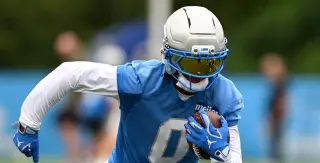
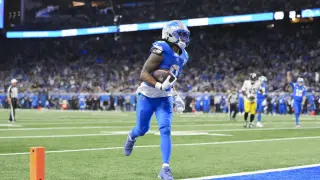
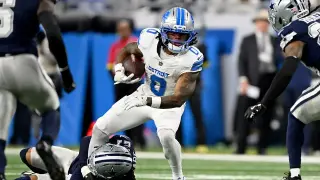
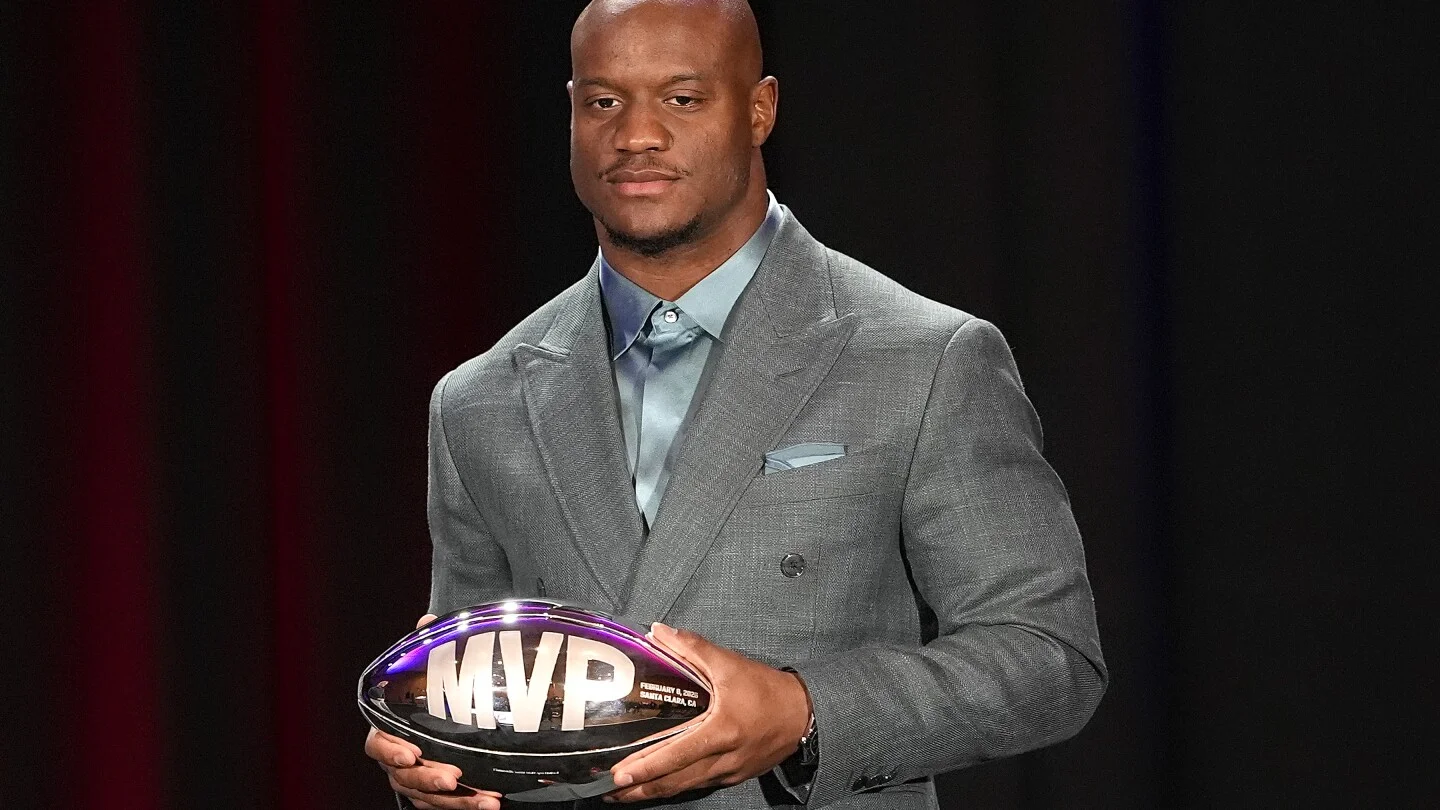
The Detroit Lions have finalized a three-year extension with running back Jahmyr Gibbs, securing him as the NFL’s highest-paid player at his position. While the deal values him at $22.5 million annually, the contract features a unique structure with rolling guarantees and receiving incentives, reflecting Detroit’s strategic approach to long-term roster stability.
Jahmyr Gibbs signed a three-year, $67.5 million extension with the Detroit Lions, becoming the highest-paid running back in the NFL. The deal, which includes $51.5 million in guaranteed money, ends a stressful two-week hold-in period during training camp. Gibbs, who had two years left on his rookie contract, is now locked in through 2030 as a core piece of the Lions' offense. This move follows a similar massive extension for Bijan Robinson and signals a significant shift in the value of the running back position.
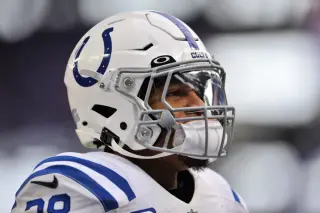
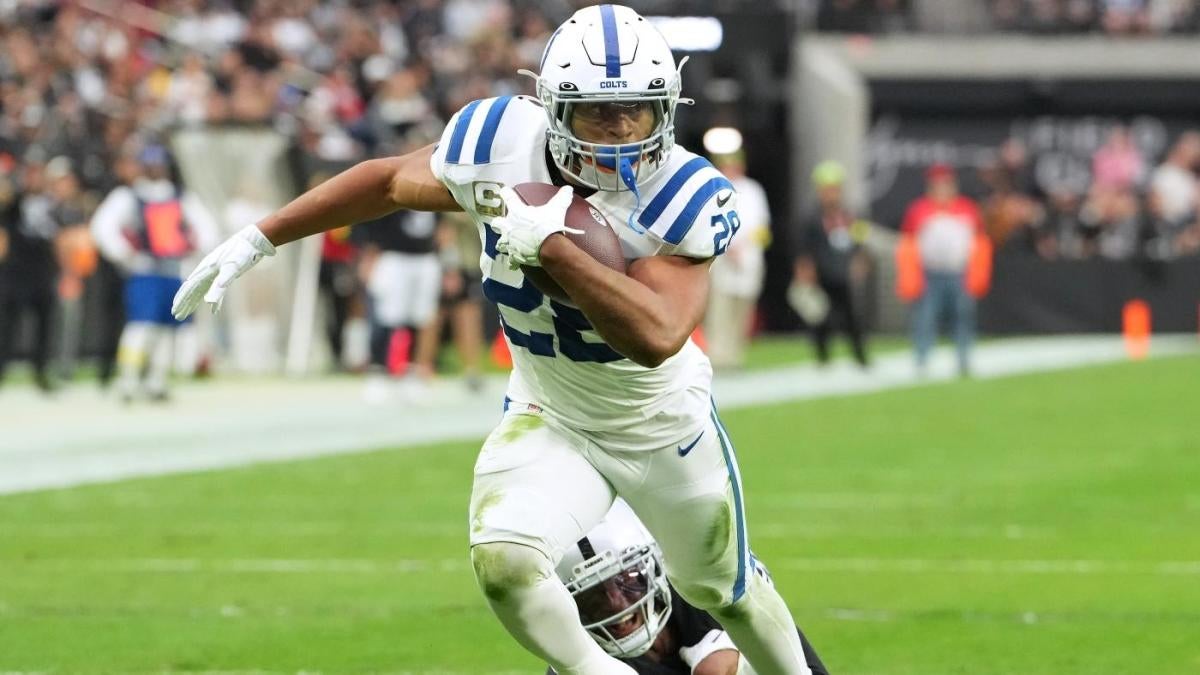
The Indianapolis Colts and running back Jonathan Taylor agreed to a two-year contract extension worth up to $47 million, securing the star player through the 2028 season. The deal includes $39 million in guaranteed money and a $15 million signing bonus, following recent record-breaking agreements for other top running backs. Taylor, who led the NFL in carries and rushing touchdowns in 2025, remains the focal point of the Colts' offense despite concerns over his workload and the team's recent playoff struggles.
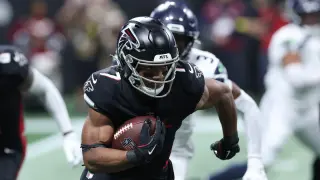
Bijan Robinson has signed a five-year contract extension with the Atlanta Falcons, securing him as the NFL's highest-paid running back. The deal includes a $15 million signing bonus and a new-money average of $22.25 million per year. While the initial reports suggested a three-year deal, the finalized agreement extends through 2030 with significant guaranteed money and performance-based escalators. This move sets a new benchmark for the running back position and may accelerate contract discussions for other elite backs, such as Jahmyr Gibbs of the Detroit Lions.
Detroit Lions running back Jahmyr Gibbs skipped the team's first training camp practice on July 29, 2026, to pressure the franchise for a long-term contract extension. Although Gibbs reported to camp and is not on any injury list, his absence signals a holdout as negotiations continue. The 24-year-old, a three-time Pro Bowler, is eligible for a new deal after excelling in his first three seasons. While coach Dan Campbell acknowledged the ongoing talks, the situation highlights a broader debate in the NFL regarding the value of elite running backs, with data suggesting players like Gibbs are difficult to replace despite the position's traditional cost-cutting trends.
Sports Illustrated’s Albert Breer lays out the top NFL training-camp storylines: Aaron Donald’s potential Rams return and how to balance his workload; Patrick Mahomes’ knee rehab and camp readiness with a careful re‑acclimation to pressure and gameplay; looming shifts in the running back and cornerback markets led by Bijan Robinson, Jahmyr Gibbs, Devon Witherspoon, and Christian Gonzalez; ongoing quarterback contract chatter (Mayfield and Lamar Jackson) and the evolving 2024 quarterback class, plus the Vikings’ QB competition and Fernando Mendoza’s Raiders development. He also flags the impact of three new head coaches, the Bengals’ championship ambitions, and a crop of quick-hitters on the Seahawks sale, Packers health, Malik Nabers, Herbert, Shedeur Sanders vs. Watson, Cowboys’ left‑tackle battle, a possible Jaguars renaissance, and the Texans’ potential jump.
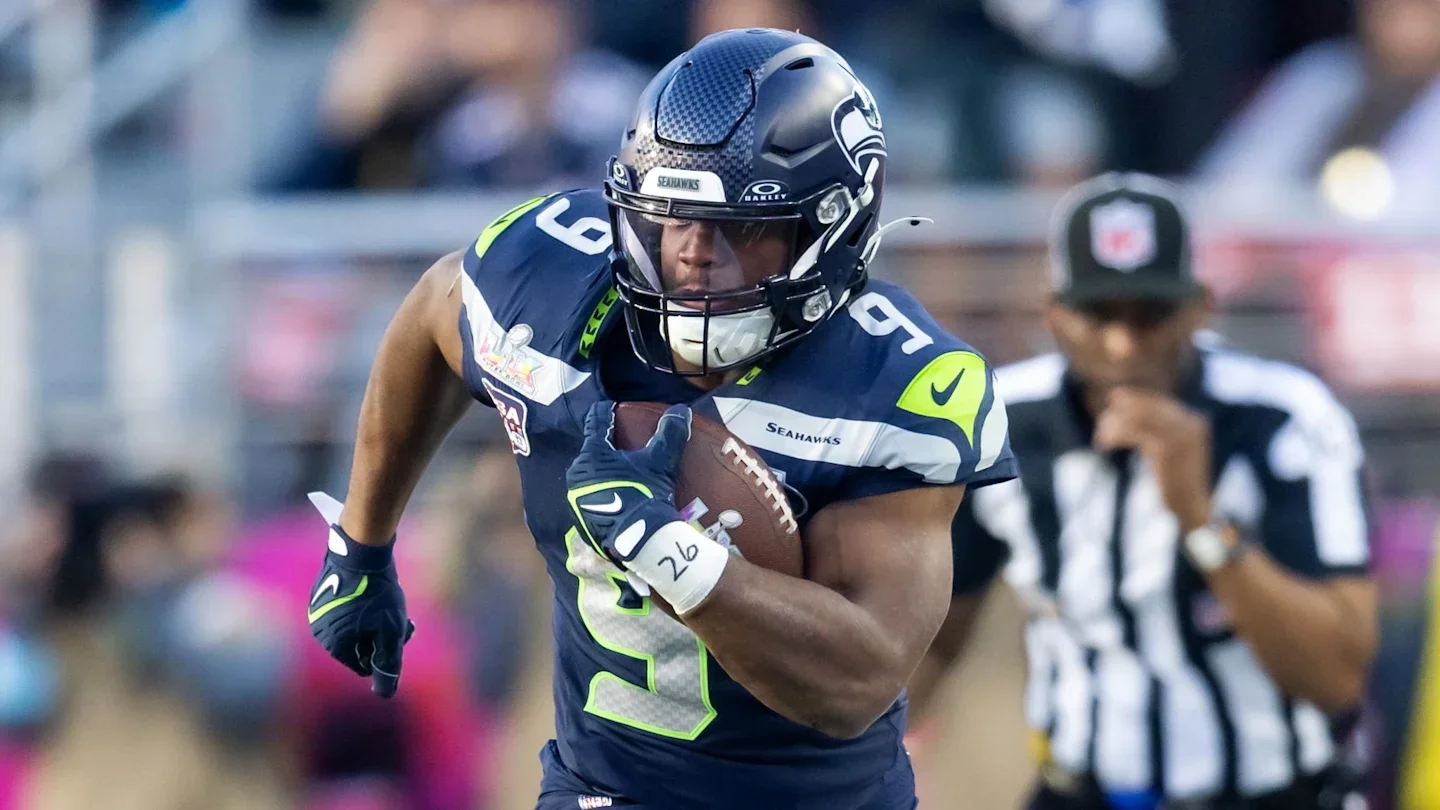
Multiple NFL teams, including the Seattle Seahawks, are hesitant to sign Kenneth Walker III at an estimated $15 million per year, as the top running back market heats up. While Giants, Titans, and Commanders show interest, price and cap considerations may deter offers, leaving Seattle to balance re-signing Walker with other extensions and budget concerns. Walker’s free-agent status could shape the Seahawks’ plans for the offseason and draft.
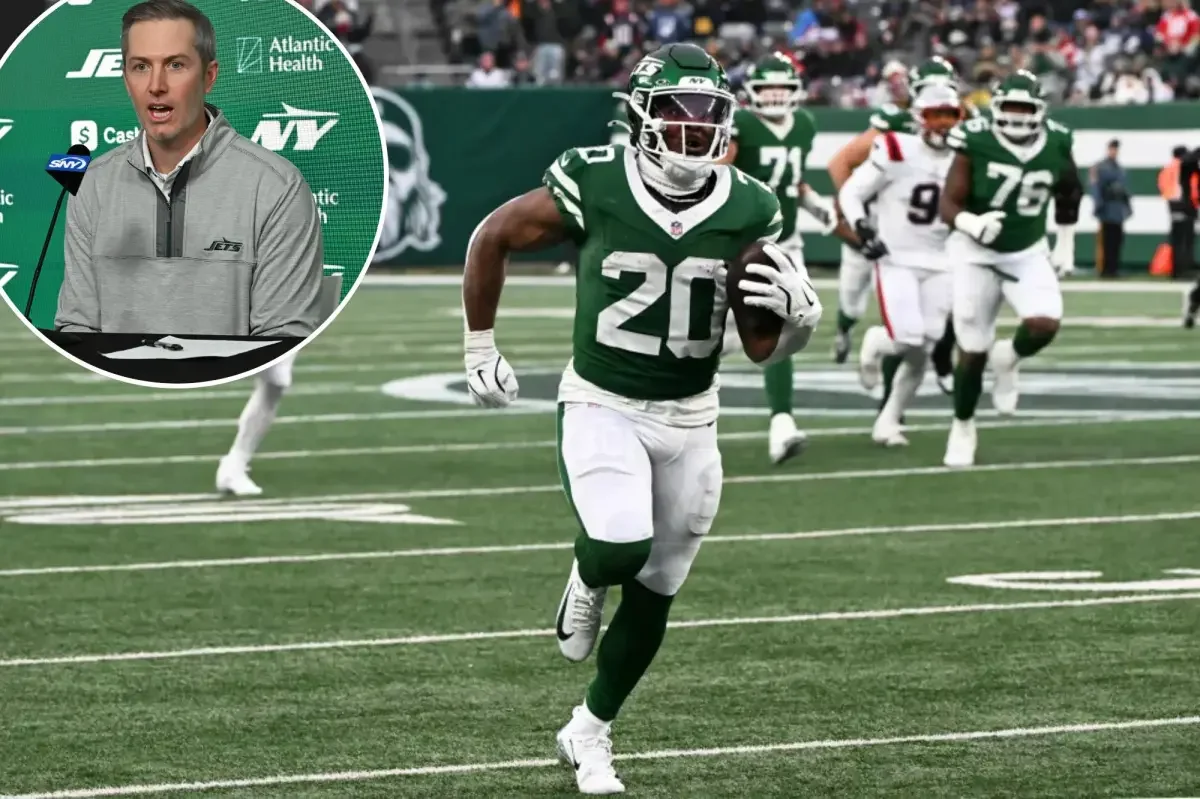
With a Tuesday deadline looming, the Jets must choose between franchising Breece Hall, using the transition tag, or signing a multiyear deal; a franchise tag would cost two first-round picks to sign away Hall, while a transition tag would give the Jets no compensation if he signs elsewhere. A mid-range AAV around $12.8 million could emerge depending on the evolving running back market, influenced by recent deals for peers and free agents.
The NFL franchise tag window opens February 17, with Kenneth Walker III expected to be among the marquee candidates as teams decide which players to lock down before free agency. The piece explains how the tag blocks a top player from long-term free agency, notes last year’s only two tags as a benchmark, and surveys other potential targets like George Pickens, Kyle Pitts, Jaelan Phillips and Trey Hendrickson, highlighting the ongoing question of whether a running back like Walker is worth a big cap hit in a constrained market.
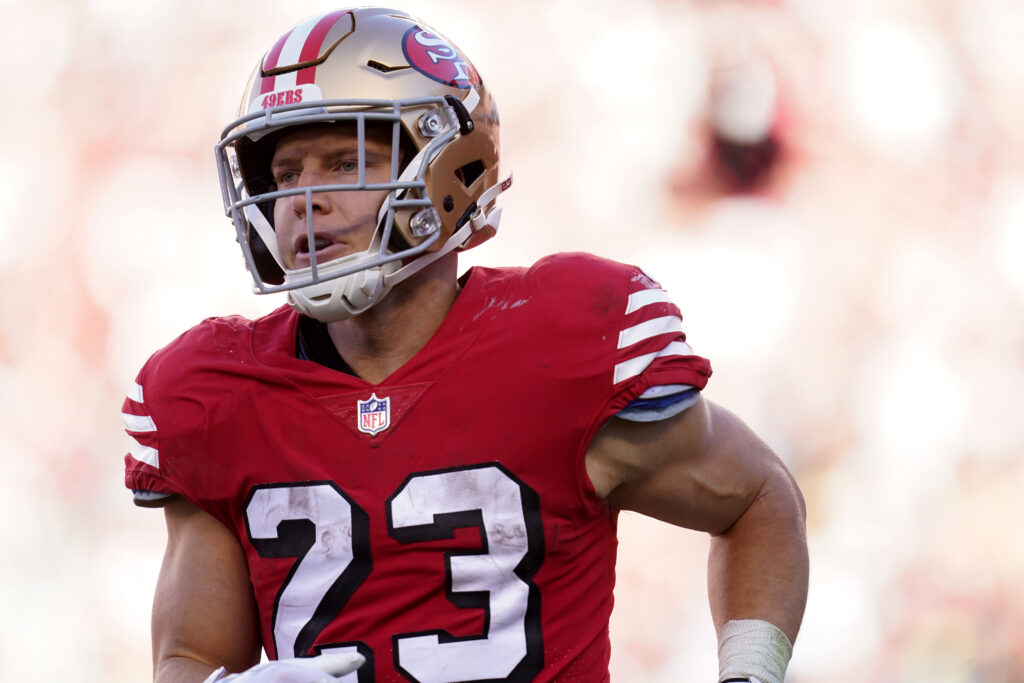
The San Francisco 49ers have extended running back Christian McCaffrey's contract by two years, worth $38 million, keeping him with the team through 2027. This new deal, which includes $24 million guaranteed, raises the running back market value and provides McCaffrey with financial security. The extension also helps manage the 49ers' salary cap, as McCaffrey has proven to be a vital part of their success since his acquisition in 2022.
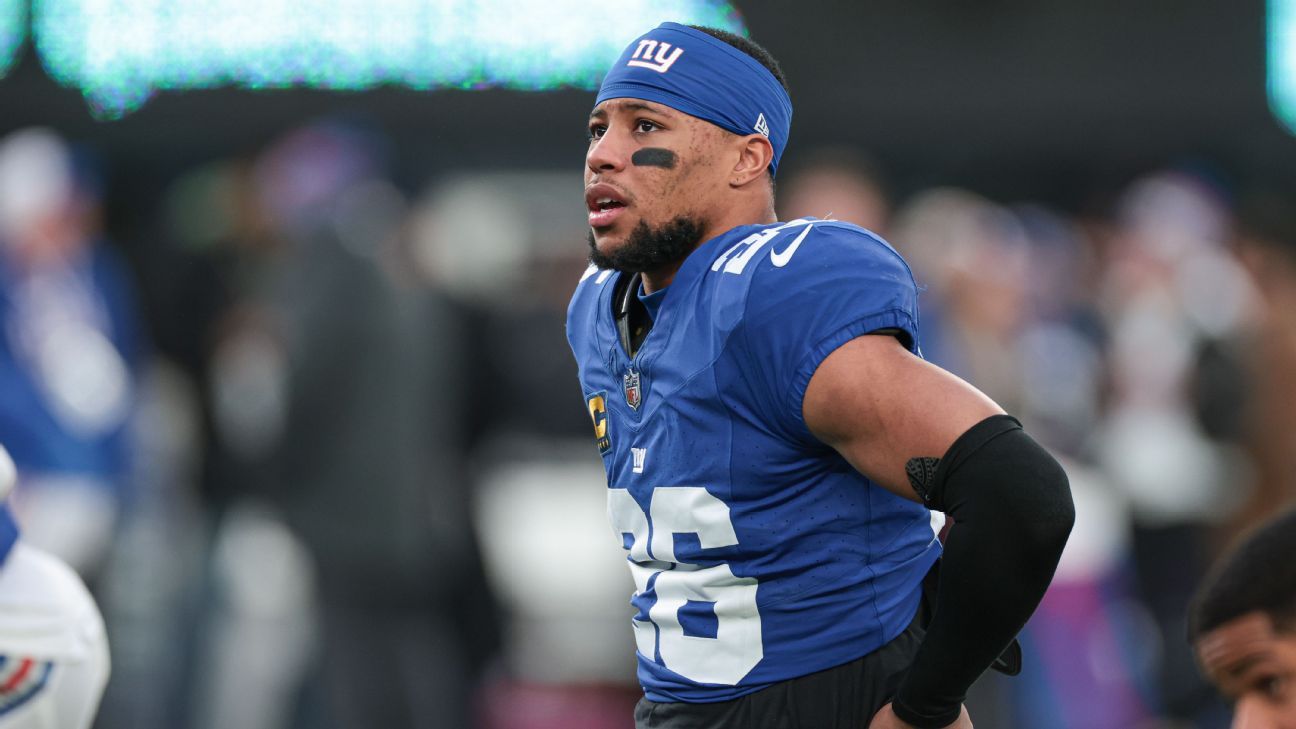
NFL scouts and executives predict that Saquon Barkley's free-agent deal could range from $8-14 million per year, with most estimating around three years and $30 million. Despite his disappointing production in New York, teams like the Los Angeles Chargers, Baltimore Ravens, and Chicago Bears are expected to be serious suitors, while the Philadelphia Eagles and Dallas Cowboys have interest but may not reach Barkley's price point. The Giants, who opted not to use the franchise tag on Barkley, seem unlikely to match a $10 million offer, signaling a potential departure for the two-time Pro Bowl running back.
The Miami Dolphins are reportedly interested in trading for Indianapolis Colts running back Jonathan Taylor, which could potentially upend the running back market. Taylor has been granted permission to seek a trade by the Colts, and the Dolphins have made offers, although the exact details are unclear. If the Dolphins acquire Taylor, they would likely need to pay him a significant contract extension, potentially shifting the financial trend that has undervalued running backs in recent years. Taylor's impressive stats and the Dolphins' need for a true RB1 make him an attractive target for Miami, and the trade could have implications for the running back market as a whole.
Indianapolis Colts running back Jonathan Taylor has requested a trade after not receiving a contract extension from the team. Colts owner Jim Irsay has made controversial comments regarding Taylor, but insists the team has no intentions of trading him. Despite this, Taylor's days in Indianapolis seem to be numbered. Potential landing spots for Taylor include the Tampa Bay Buccaneers, Miami Dolphins, and New England Patriots.
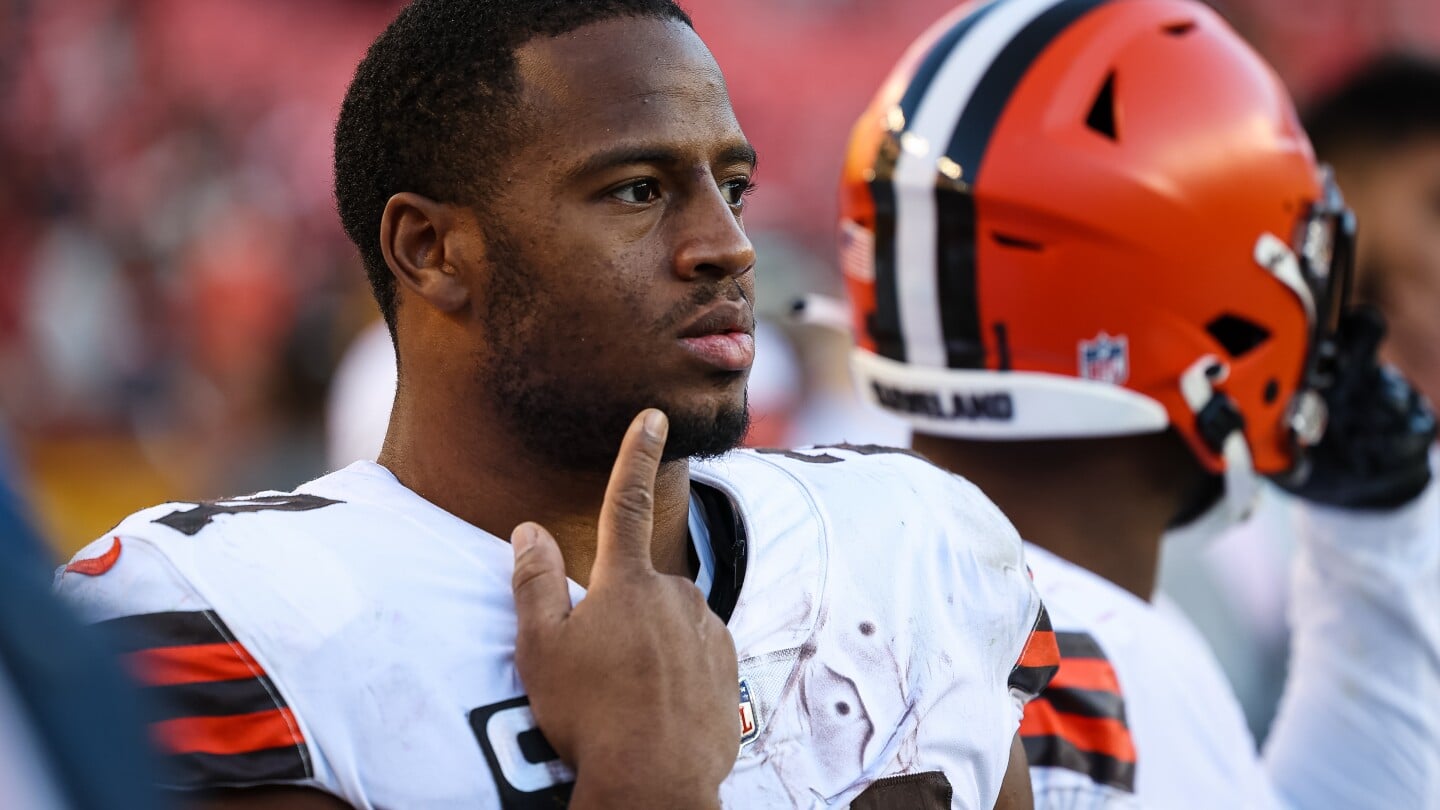
Cleveland Browns running back Nick Chubb acknowledges the challenges of the running back market and recognizes that he could face a similar situation next year. Chubb's contract includes a significant increase in salary in 2024, which could put him at risk of being cut if the team decides his cost outweighs his benefit. While there are currently no talks of an extension, the Browns value Chubb's leadership and consider him an important part of the team's culture. However, the running back position offers no guarantees, and the ultimate question for the franchise is whether Chubb's cost justifies his value, especially as they embrace analytics.
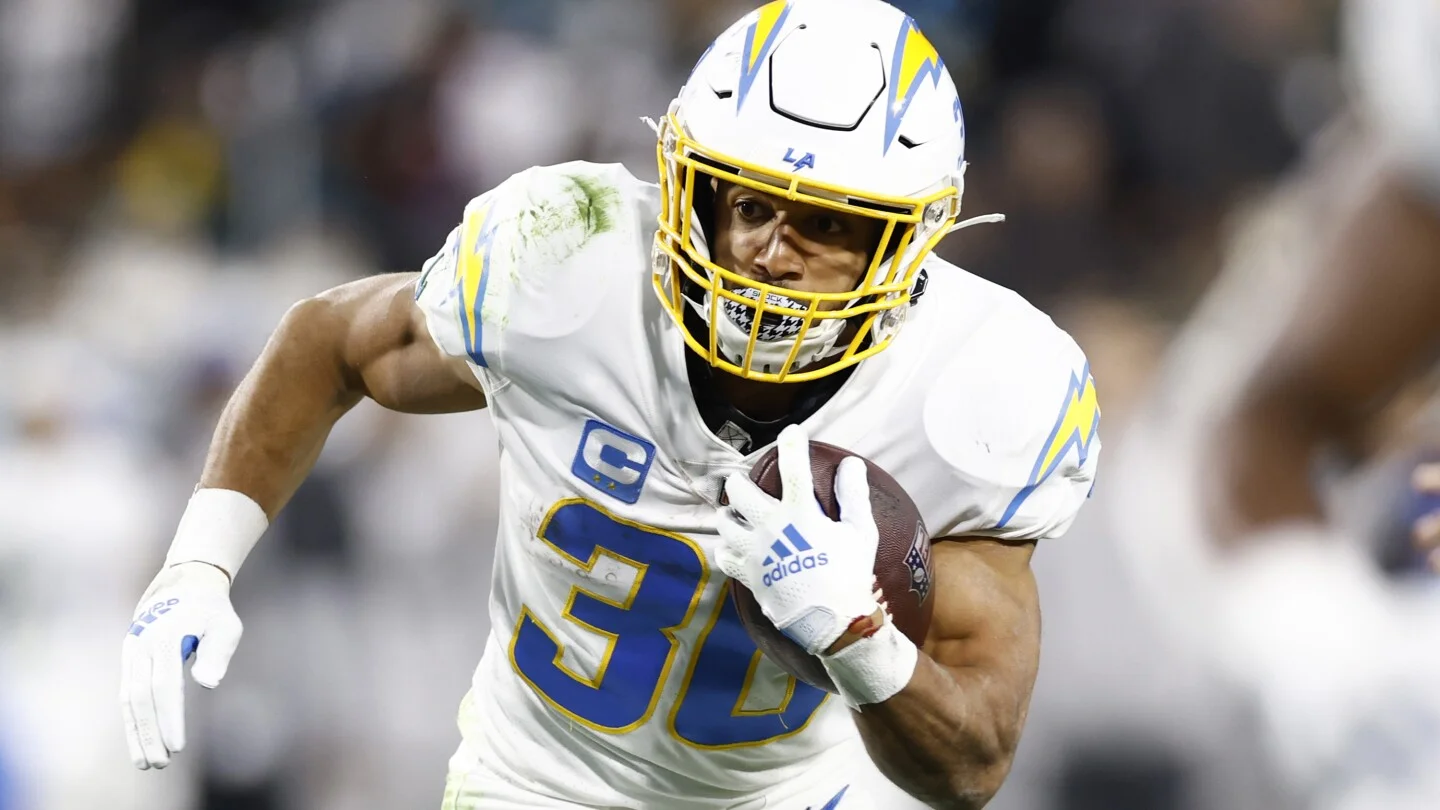
Los Angeles Chargers running back Austin Ekeler expresses frustration with the depressed market for running backs and calls for answers from team ownership. Ekeler believes that owners are intentionally not paying running backs and suggests that a boycott or holdout may be necessary to bring attention to the issue. He argues that running backs make a significant impact on the game but are not adequately compensated. However, finding a solution is complex, and it would require the league and the players' union to agree on changes such as creating a separate union for running backs or implementing a league-wide fund for their performance.