LA28’s ticket presale for the 2028 Olympics exposed a gap between its promise of affordable local access and reality: opening ceremony seats ranged up to $5,519 with a 24% service fee, and users faced access-denied errors; while organizers pledge cheaper tickets in future drops, locals remain skeptical about true affordability and availability as popular events sell out quickly.
A new California law set to take effect on July 1 will ban "junk fees" in various businesses, including restaurants, leading to concerns about a significant rise in menu prices. Restaurant owners, already struggling due to labor costs, regulations, and thin profit margins, are warning that complying with the new law will force them to increase prices, potentially impacting the survival of many establishments. The law aims to address deceptive price advertising but has sparked confusion and frustration among restaurant owners, who fear the potential closure of more businesses as a result.
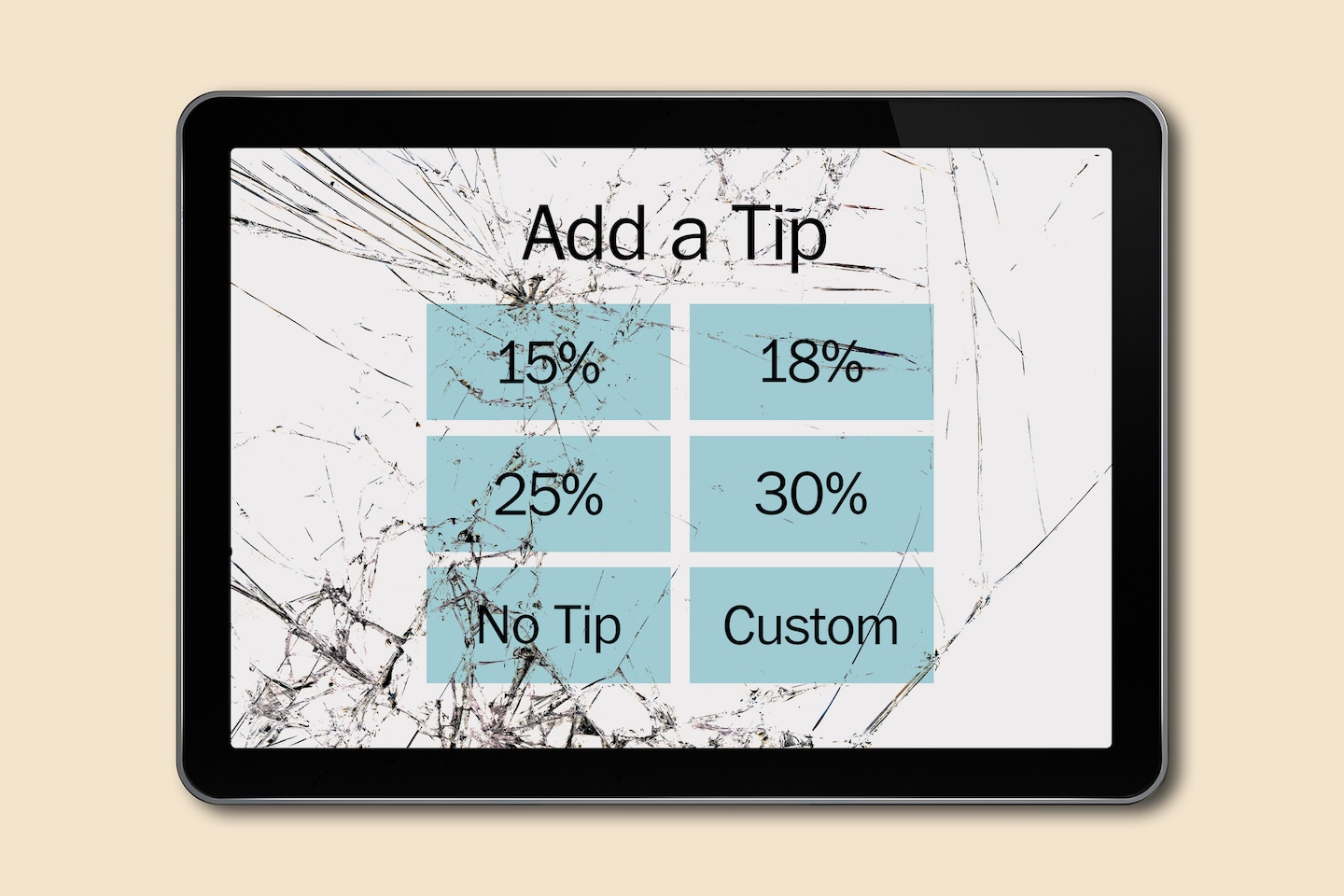
A new study by the Pew Research Center reveals that Americans are divided and confused about tipping practices in the United States. Many dislike recent trends such as added service fees and suggested tipping amounts. The study found that 72% of people believe tipping is expected in more places today than it was five years ago, while 72% oppose service charges. There is also confusion about when and how much to tip, with 34% finding it difficult to know whether to tip and 33% unsure about how much to tip. The survey also highlights that Americans have different views on tipping, with 29% considering it an obligation, 21% seeing it as a choice, and 49% saying it depends on the situation. Advances in technology have contributed to the uncertainty, and there is a lack of consensus on tipping rules. Additionally, the survey reveals that many Americans are not generous tippers, with 57% saying they would tip 15% or less for average food and service at a restaurant.
A new study by the Pew Research Center reveals that Americans are divided and confused about tipping in the United States. Many dislike recent trends such as added service fees and suggested tipping amounts. With the proliferation of workers expecting gratuities, 72% of people feel that tipping is expected in more places today than five years ago. The study also found that there is confusion about when and how much to tip, with higher-income and more educated individuals expressing more uncertainty. Additionally, the survey highlights that Americans are not even on the same page about what tipping is, with 29% considering it an obligation, 21% seeing it as a choice, and 49% saying it depends on the situation. Advances in technology have further contributed to the uncertainty.