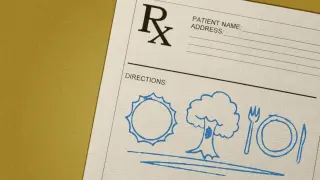
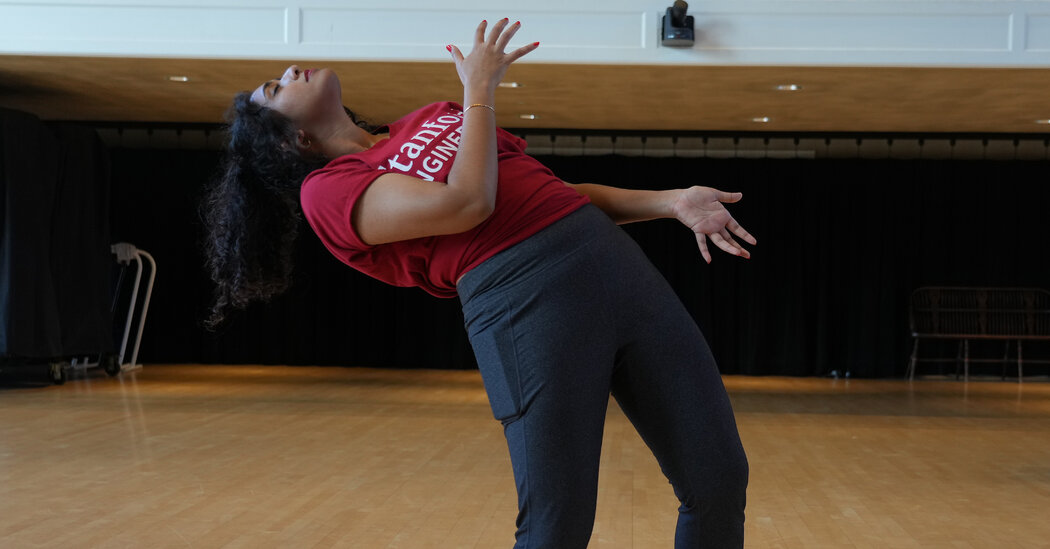
Healthcare systems are increasingly using 'social prescriptions' to refer patients to community-based hobbies like swimming or art to treat mental health issues. Experts advise matching activities to specific symptoms, prioritizing intrinsic motivation, and using mindfulness to sustain engagement.
Social prescribing—doctors directing patients to nonmedical supports like arts, nature, volunteering, and community programs—has grown as health systems seek to ease hospital demand and loneliness. The UK’s NHS leads with millions of referrals in five years, spanning housing advice to debt counseling, with nature and arts activities rising in use. Early evidence is promising (creative engagement linked to lower depression risk; music reducing pain and opioid use for surgery), but many experts caution that outcomes are hard to measure and the evidence base is still developing. Similar efforts are expanding in the Netherlands and the US, where pilots and nonprofit groups aim for broader access by 2035, underscoring a shift toward addressing social determinants of health and roots causes of ill health beyond medications.
New UK programs are using stand-up comedy as a form of social prescribing to improve mental health, with evidence suggesting that actively creating humor can reduce stress, boost immunity, and foster social bonds, offering a promising complementary approach to traditional therapy.
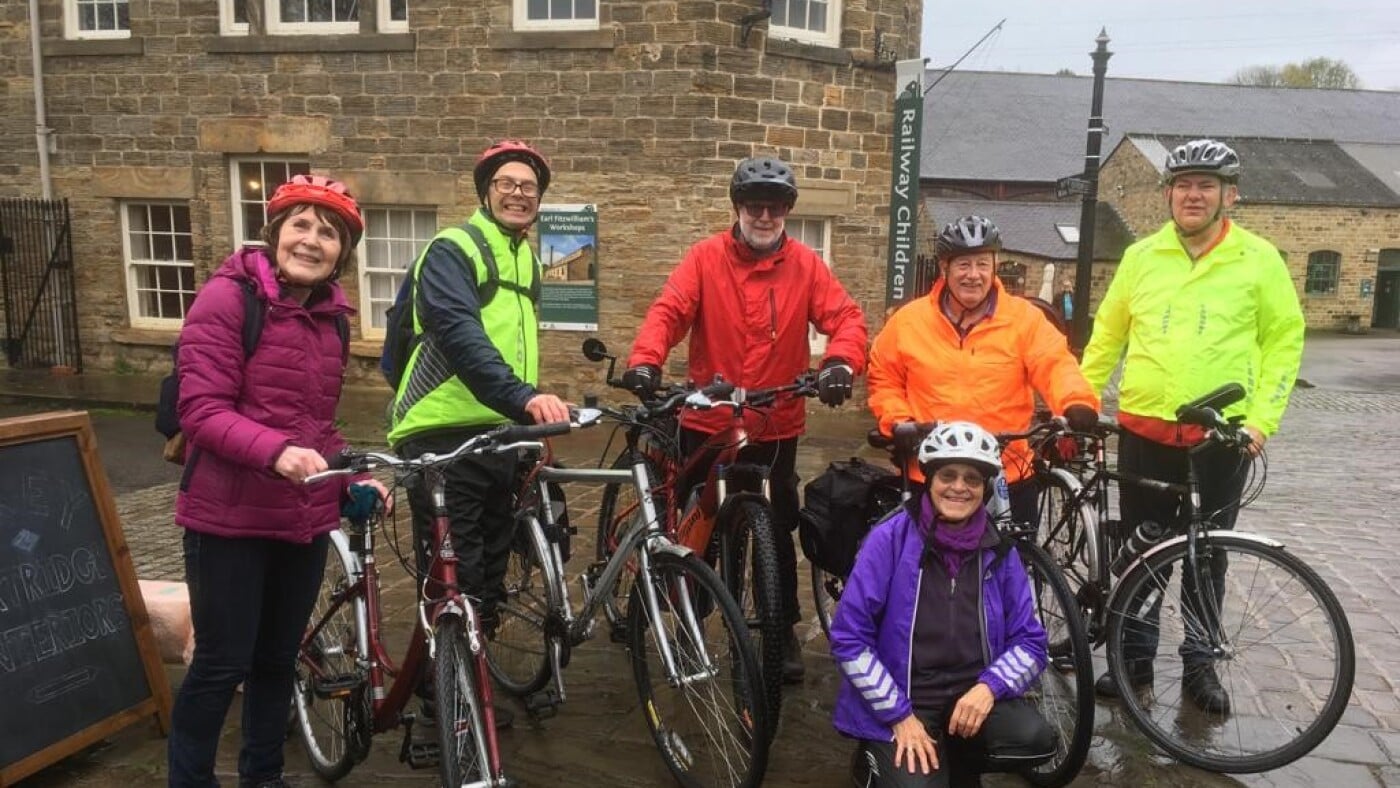
Social prescribing involves doctors recommending community activities like exercise, arts, and nature to improve physical and mental health, reduce healthcare costs, and foster social connections, as exemplified by Frank Frost's experience with cycling in the UK.
Social prescribing, a practice popularized in Britain and now being explored in the United States, aims to improve health and well-being by connecting people with nonclinical activities such as art, exercise, and access to nutritious food. This approach addresses underlying problems like isolation and social stress, and has shown promise in improving health outcomes. However, some experts caution that the U.S. health care system may pose challenges to the widespread adoption of social prescribing.
A recent study found that social participation, including volunteer work and recreational activities, is associated with successful aging among people aged 60 and above. The study's definition of successful aging includes both objective and subjective measures, allowing for those with non-disabling chronic conditions to be classified as aging successfully. The findings highlight the potential benefits of social activities and the practice of 'social prescribing' by medical professionals in promoting healthy aging.