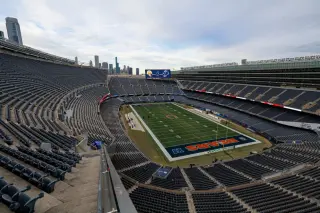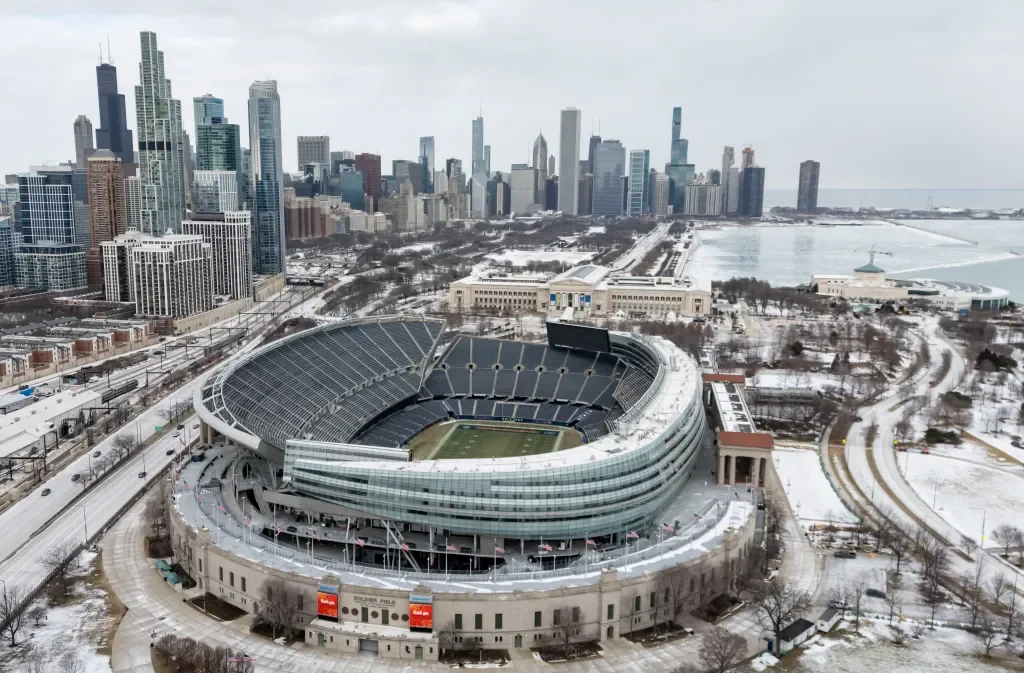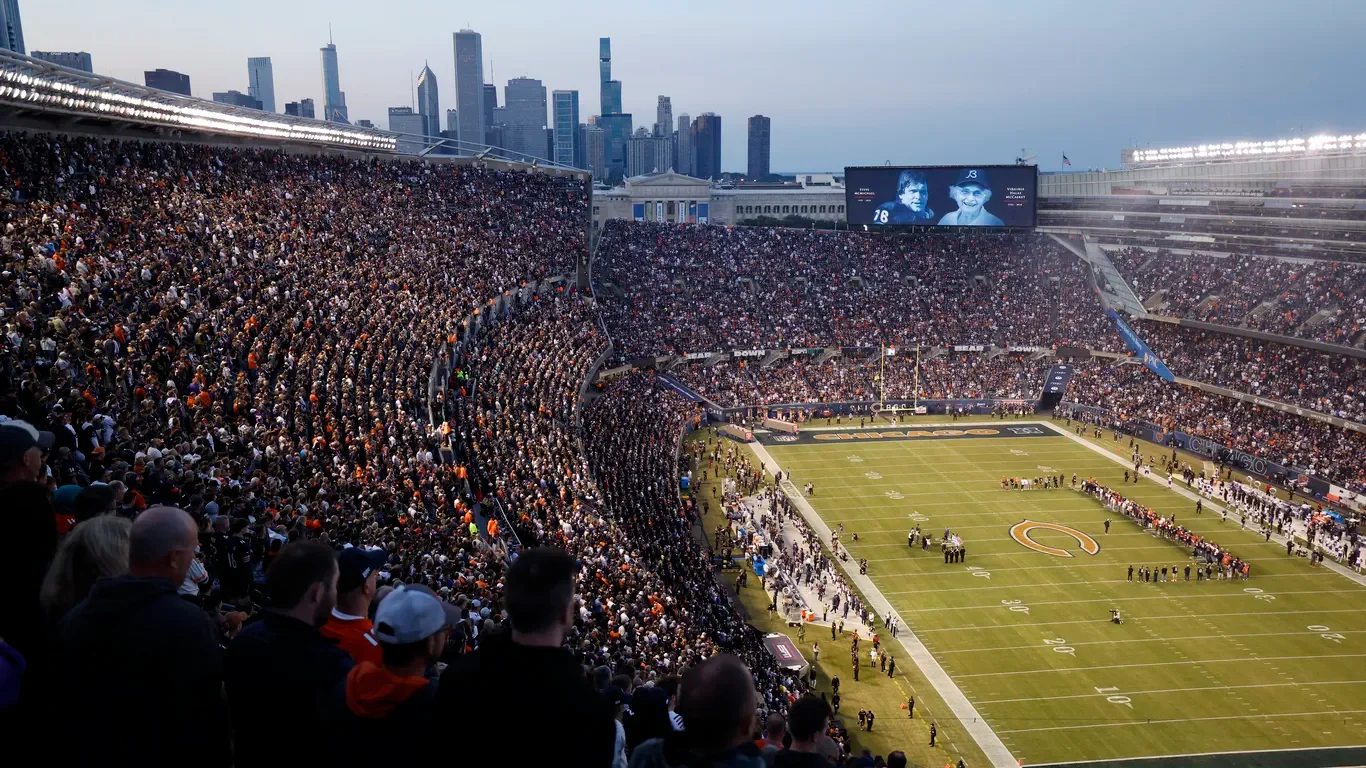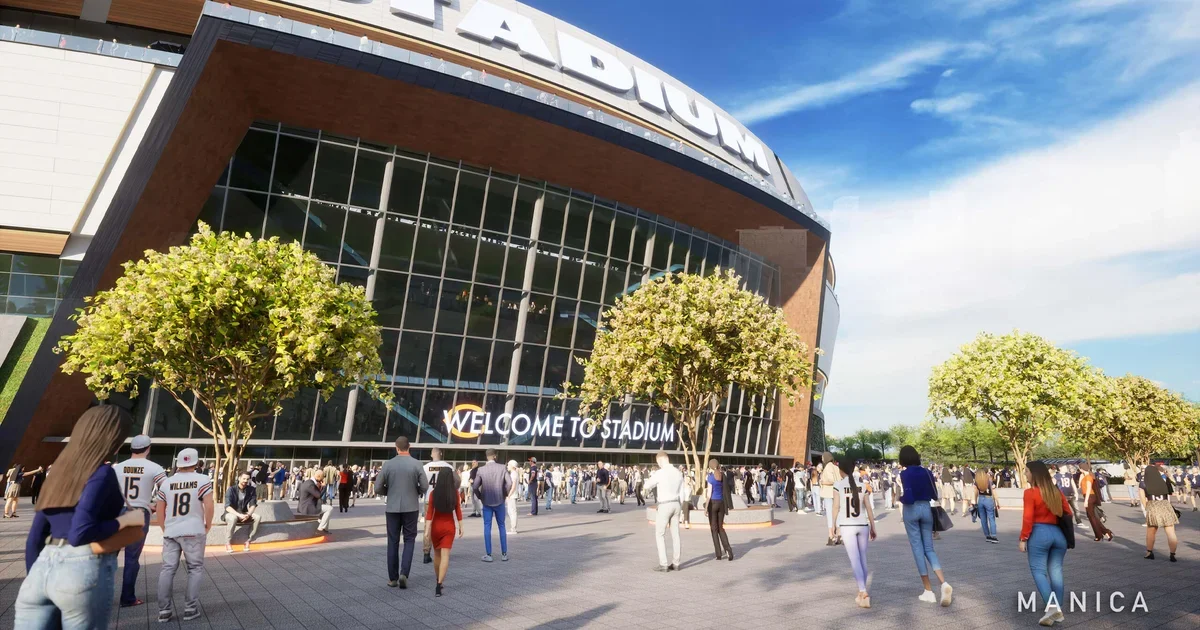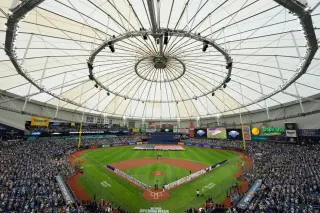
The Chicago Bears will continue with their Soldier Field stadium timeline despite uncertainty over Illinois incentives, keeping the project on track while awaiting state financing decisions that could affect timing and scope.
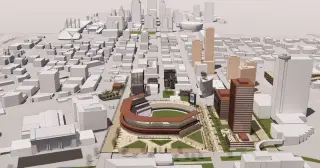
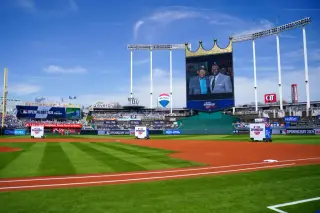
Kansas City is considering a plan to fund a $1.9 billion downtown Royals stadium with up to $600 million in city bonds—paid for by new stadium-related economic activity taxes and existing sources—while Missouri could provide incentives up to half the cost. The venue would sit near Union Station and Washington Square Park, with a 30-year Royals lease and no public vote required. The proposal, endorsed by the mayor and most council members, advances to committee review before a full council vote, with rezoning and financing terms still to be resolved and mixed signals about Royals’ participation.
Kansas City Mayor Quinton Lucas unveiled a $1.9 billion plan to build a new Royals stadium and surrounding infrastructure in downtown, proposing about $600 million in city funding with potential state support under Missouri’s law enabling up to 50% of major stadium costs; the plan would need City Council approval and a 30-year lease with the Royals starting in 2030, with construction hoped to begin in early 2027 and the venue ready for play a year before the lease starts. The Royals have not formally weighed in on terms, and there is no public vote included in the proposal.
Kansas City officials unveiled a plan for a $1.9 billion, downtown Royals stadium at Washington Square Park, with the city contributing about $600 million and private funding making up the rest, aiming to open by 2030. The ordinance would authorize a 30-year term sheet and development agreement with the Royals, financed via bonds, Tax Increment Financing, and potential state incentives, plus an accompanying entertainment district. Approval hinges on park-board consent and city council votes, and while a public vote is not currently planned, the proposal could face political or public opposition; Royals’ backing remains undecided as talks continue.
Indiana Gov. Mike Braun signed Senate Bill 27 to establish the financial framework for a Chicago Bears stadium in Hammond, including roughly $1 billion in state-bond financing repaid by revenues from Hammond’s 12% admissions tax and a stadium development district, plus proposed local taxes and a renegotiated toll-road lease. The Bears would invest over $2 billion; Illinois lawmakers are weighing incentives to keep the team, but no deal yet as competing measures and local concerns unfold.
The Chicago Park District unveiled a $630 million plan to convert Soldier Field into a year‑round venue for concerts and major events, including sound upgrades and surrounding infrastructure improvements; the proposal would add to existing stadium debt funded in part by hotel‑tax revenue that has fallen short, as state lawmakers in Illinois and Indiana weigh Bears relocation options to Arlington Heights or other sites.
A fiscal note for Senate Bill 27 shows Northwest Indiana could be taxed to fund a Chicago Bears stadium in Hammond, using bonds backed by new taxes (1% food-and-beverage in Lake and Porter counties, a Lake County hotel tax increase, and a Hammond admissions tax) plus potential toll-road lease proceeds; revenue estimates exist but total figures are uncertain as lawmakers mover toward a second reading.
Illinois lawmakers say there’s no deal yet as the Chicago Bears weigh a new stadium in Hammond, Indiana, where Indiana is moving forward with a bill to finance the project via bonds supported by an admission tax and an entertainment district. The Bears would invest about $2 billion, Indiana would contribute over $1 billion, and the stadium would be owned by a state authority. Governor Pritzker says progress is being made on an Illinois framework, but lawmakers warn the Illinois bill isn’t dead and tweaks may be needed. Indiana’s bill is expected to pass soon, while Illinois considers its own path; construction could start this year if a deal materializes. The proposed site near Wolf Lake sits roughly 20 miles from downtown Chicago and would require environmental and NFL approvals, keeping the plan in flux.
Indiana lawmakers moved forward with a plan to bring the Chicago Bears’ stadium to Hammond by approving an amendment to Senate Bill 27 to create a Northwest Indiana Stadium Authority with bond and land-acquisition powers to finance the project near Wolf Lake, signaling momentum for a Hammond site as Bears officials voiced a vision and Illinois debated tax-incentive proposals for Arlington Heights.
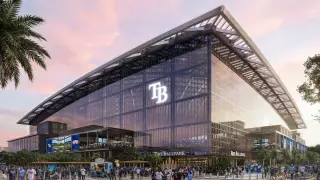
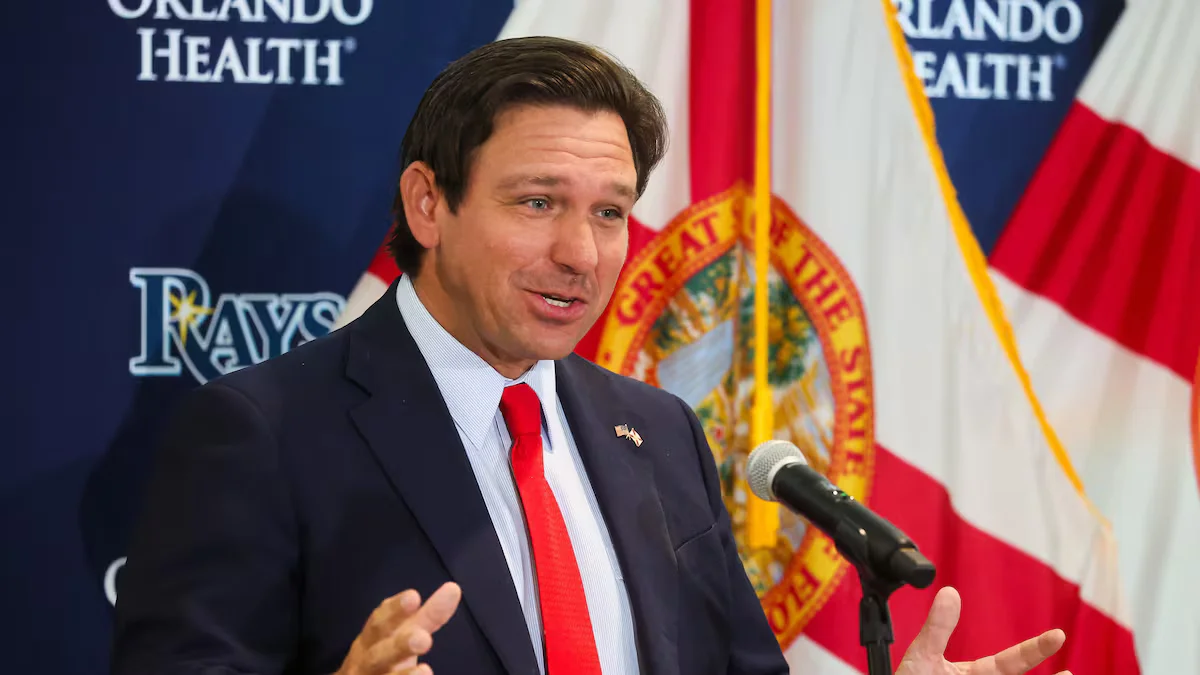
Gov. Ron DeSantis, MLB Commissioner Rob Manfred and other officials voiced support for the Rays' plan to build a ballpark on Hillsborough College's Dale Mabry campus, but financing remains contentious as the team seeks public funds up to roughly $2.3 billion; Rays say they will cover at least 50% and rely on public sources like tourism taxes, sales taxes, and property taxes. Local leaders, including Mayor Castor, remain skeptical about using taxpayer money; a 180-day exclusive negotiation window has begun, with the target opening around 2029 and past financing efforts having stalled.
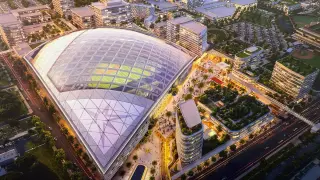
The Tampa Bay Rays are proposing a new baseball stadium on Hillsborough College’s Dale Mabry campus, part of a broader redevelopment that would add college facilities and a mixed-use development. A non-binding memorandum of understanding outlines a long-term lease of most property to the Rays, with the college retaining control of its campus facilities and the master plan requiring the college’s approval; ownership of any publicly funded stadium components could transfer to the county. The Hillsborough College District Board will meet to discuss and vote on the MOU.
Arlington Heights officials urge Illinois lawmakers to pass a 'Mega Projects' bill to let the Bears negotiate long-term property taxes for a potential stadium, warning the team could relocate to Indiana where lawmakers have proposed a northwest Indiana stadium authority; Indiana leaders, including Gov. Braun, are pushing the plan, while the Bears say it advances talks. The project is estimated to require about $855 million in infrastructure funding and could create thousands of jobs and billions in activity, though stadium subsidies remain controversial and often debated as good public policy.
Missouri Governor Mike Kehoe signed legislation to help finance stadium projects for the Kansas City Chiefs and Royals, including bonds and tax credits, in an effort to persuade the teams to stay in Missouri amid ongoing stadium discussions and previous failed voter initiatives.
The St. Petersburg City Council voted to delay a decision on issuing bonds for a new $1.3 billion stadium for the Tampa Bay Rays, aligning with Pinellas County's earlier decision to postpone its financing vote. The delay, pushed to no later than January 9, allows newly elected council members critical of the deal to participate. The Rays have indicated they may terminate the agreement under current terms, casting doubt on the future of the project. The council also reversed a decision to fund repairs to Tropicana Field's roof, further complicating the situation.
The Tampa Bay Rays' plans for a new stadium in St. Petersburg face uncertainty after the Pinellas County Board postponed a vote on bond financing for the second time, potentially delaying or jeopardizing the project. The delay follows comments by Rays owner Stu Sternberg, which frustrated commissioners. The Rays, currently displaced from Tropicana Field due to hurricane damage, may play 2025 home games at Steinbrenner Field in Tampa. The future of the Rays in the Tampa Bay area remains unclear as the team and county officials navigate financial and logistical challenges.