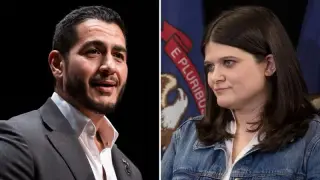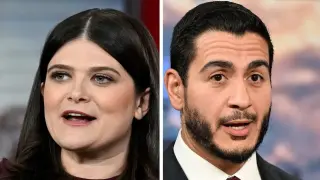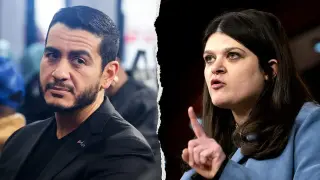
Michigan’s Senate primary to replace retiring Sen. Peters has become a microcosm of national Democratic rifts, with Abdul El-Sayed and Haley Stevens jockeying for advantage, shifting endorsements from Gretchen Whitmer and Elizabeth Warren, and heavy outside spending that some see as threatening November outcomes regardless of the winner.
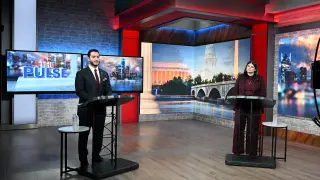
In the final Democratic U.S. Senate primary debate before the Aug. 4 election, Haley Stevens and Abdul El-Sayed exchanged sharp takes on electability against Republican Mike Rogers, donor influence, and policy differences—Stevens emphasizing manufacturing ties and a path to beating Rogers, El-Sayed pushing progressive reforms such as curbing stock buybacks, dismantling ICE’s role, and broader corporate-power reductions—as they sought to define themselves as the better general-election bet and navigate questions about civility and campaign finance.
In a tight Michigan U.S. Senate debate, Abdul El-Sayed pitched affordable EVs (about $25,000 with 300-mile range) and a strengthened domestic auto-supply chain funded by incentives rather than mandates, while Haley Stevens argued that rising costs and a Canada trade dispute threaten Michigan manufacturing and urged utility reform. The candidates sparred over misogyny accusations, socialism, and campaign money, with El-Sayed denying misogyny and claiming he has never taken corporate PAC money, and Stevens denying taking utility money even as federal filings show she received $2,500 from DTE’s PAC (transferred from her House committee before her Senate run). The exchange underscored divides on EV strategy, manufacturing priorities, and political finance in a race that remains competitive.
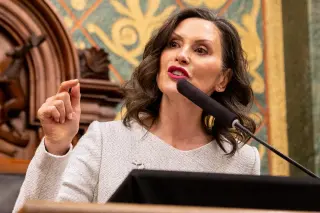
Michigan Gov. Gretchen Whitmer endorsed Rep. Haley Stevens in the Democratic Senate primary, backing a centrist candidate as she faces Abdul El-Sayed (backed by Bernie Sanders) in a race that could affect Senate control; the winner will face Republican Mike Rogers in November.
In Michigan's high-stakes Democratic Senate primary, establishment-backed Haley Stevens and progressive Abdul El-Sayed clashed over outside spending, campaign finance, and policy lines on Israel, immigration, and tech ethics, with Stevens demanding tax-return transparency and El-Sayed attacking AIPAC influence; the debate underscored a party torn between establishment and insurgent left as they eye voter turnout ahead of the August primary against Mike Rogers.