In the months before Lindsay Clancy killed her three children, she sought help from psychiatrists, a suicide hotline, and the emergency department but was turned away from inpatient treatment; over roughly four months she was prescribed 13 medications as providers tried to manage persistent symptoms and adverse reactions.
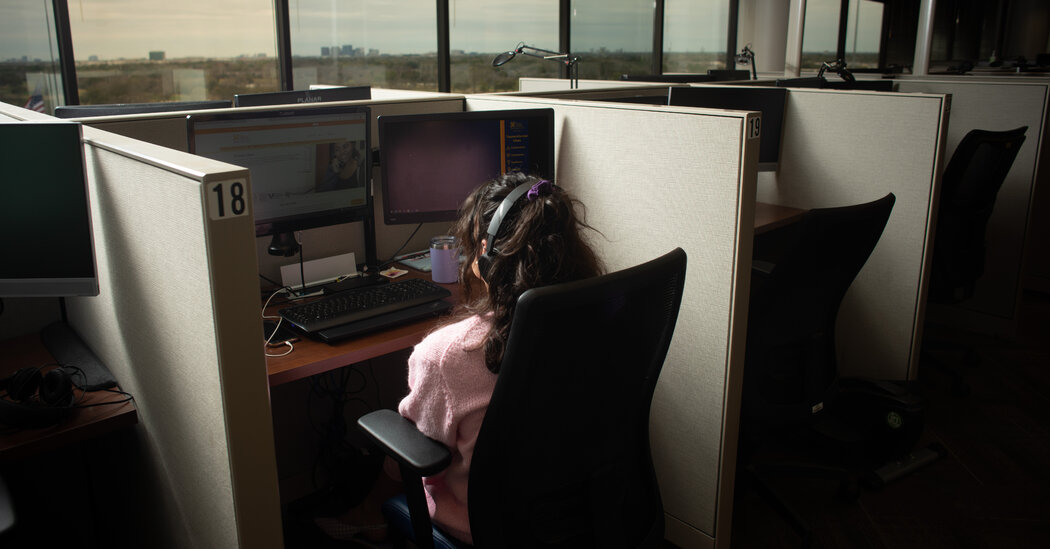
One year after the launch of the 988 Suicide and Crisis Lifeline, a national suicide hotline in the United States, many people are still unaware of its existence and purpose. Only 17% of Americans are familiar with the new three-digit number, and there is confusion about what to expect when calling. The hotline has seen a 66% increase in calls, chats, and texts since its launch, but there are challenges in funding and expanding the network. Public awareness campaigns are needed to address disparities in knowledge, and long-term funding is necessary to support the more than 200 call centers. The Biden administration's budget proposal includes $836 million for 988, but experts argue that more funding is needed at the local and state levels. Despite these challenges, the Lifeline has reduced wait times and invested in answering texts and chats, making a positive impact in saving lives.