
mental-health23.755 min read
Harsh parenting triggers teen depression and aggression through distinct rumination paths
1 month ago•Source: psypost.org

The latest mental health stories, each synthesized from multiple sources with added background and context.

A small study found that an in-phase pattern of dual-site transcranial alternating current stimulation, applied during a task that required overriding automatic emotional responses, strengthened the connection between the lateral prefrontal and sensorimotor cortices and reduced amygdala influence in socially anxious adults. Participants with stronger neural responses showed greater improvement, while anti-phase stimulation offered no consistent benefit. The findings suggest rhythm-based brain stimulation could augment exposure therapy for social anxiety, but results varied across individuals and require larger, more personalized studies.


A case report describes a 45-year-old man who developed severe psychosis—hallucinations and hearing voices from his body—after a year of injectable testosterone for infertility and osteoporosis. He was later diagnosed with Klinefelter syndrome (XXY). Stopping testosterone and treating with antipsychotics led to recovery, and a cautious reintroduction at a lower dose with close monitoring did not prompt a relapse. The authors emphasize that this is a single case and does not prove causation, but hormone fluctuations may trigger psychiatric crises in vulnerable individuals, underscoring the need for psychiatric screening during hormone therapies.

A study of 872 Chinese university students found that most socially anxious people withdraw, but a subgroup with vulnerable narcissism and high self-centeredness shows elevated aggression. Through clustering and regression analyses, researchers identified a vulnerable-defensive profile with high social anxiety and narcissistic self-centeredness reporting the most proactive and reactive aggression, and they found that self-centeredness amplifies proactive aggression across the population, while reactive aggression follows a threshold effect. The findings suggest screening for narcissistic self-centeredness in risk assessments, though limitations include cross-sectional, self-reported data from a single cultural group and no causation established.
A double-blind, placebo-controlled crossover study in 21 adolescents with ADHD found that a single high-dose combination of L-theanine and caffeine improved selective attention, reduced false alarms, and lessened progressive slowing of responses during a 12-minute task, with EEG suggesting faster target evaluation and greater neural resource allocation. While methylphenidate also reduced false alarms and sped responses, the L-theanine–caffeine combo did not replicate the same speed boost. The researchers caution the findings do not imply this combo should replace established ADHD treatments and call for larger, longer-term studies to assess real-world benefits and safety.
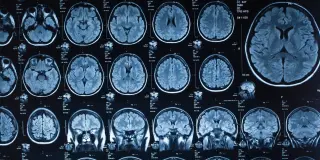
A neuroimaging study of over a thousand participants links childhood trauma to higher adult procrastination, with trait anxiety and reduced self-control mediating the relationship. The researchers identify brain connectivity patterns—especially involving the frontoparietal and salience networks and stronger visual-cerebellar connections—that predict trauma exposure and relate to procrastination, aligning with the triple-network model. However, the cross-sectional design and modest effect sizes limit causal conclusions, and more diverse, longitudinal work is needed.

New research in the Journal of Clinical Psychology shows that psychological inflexibility — the tendency to rigidly avoid distress — predicts lifetime anxiety disorders independently of how severe anxiety is. In two samples (265 adults and 853 undergraduates), each one-point rise on the inflexibility scale nearly triples the odds of reporting at least one anxiety diagnosis, suggesting how we react to anxiety may shape risk as much as the anxiety itself. The findings support flexible coping approaches (e.g., Acceptance and Commitment Therapy) but are limited by cross-sectional design and reliance on self-reported diagnoses, and they highlight demographic factors that may influence diagnosis rates.
In a randomized, single-blind trial, 60 adults with major depressive disorder and concurrent anxiety received sertraline plus either 1100 mg of dried basil leaf extract nightly or a placebo for four weeks. The basil group showed greater symptom reductions on both the Beck Depression Inventory and the Hamilton Anxiety Rating Scale, with depression dropping from about 39 to 21 and anxiety from about 33 to 13, compared with placebo reductions to roughly 30 and 25, respectively. Basil was well tolerated, but the study’s short duration and single-blind design mean longer-term effects and causality require further research; basil should be viewed as an add-on, not a replacement for standard care.
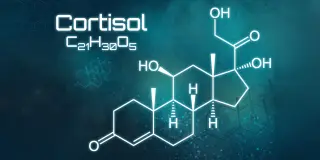
A randomized controlled trial in adults with major depression and active suicidal ideation found that a single subanesthetic ketamine infusion increased waking morning cortisol 24 hours post-treatment (not seen with midazolam). This cortisol rise coincided with ketamine’s peak anti-suicidal effects, though the correlation with symptom improvement was modest and not consistently significant. The findings suggest cortisol changes may be involved in ketamine’s action on the stress-response system, but more research with more comprehensive sampling and sleep monitoring is needed to establish causality and clinical relevance.

A rising number of young women report persistent fatigue that sleep can't fix—a low‑grade energy drain characterized by brain fog, reduced stamina, and poor recovery. Experts say it's less about workload than deregulation of the nervous system, hormones, and inflammation, worsened by chronic stress from hybrid work and constant digital signals. The takeaway: establish steady sleep routines, regular meals with enough protein and fiber, and limit decision fatigue; seek medical evaluation if fatigue impairs daily life, as tests for iron, thyroid, vitamin D/B12, and metabolic health may be needed. Encouragingly, workplaces are setting clearer boundaries and researchers are delving into women’s health to recalibrate biology instead of simply asking for more resilience.

A study of 150 young women found that sensory processing sensitivity (SPS) does not confer sharper hearing, vision, smell, or other senses. Objective lab tests showed no consistent evidence of heightened sensory thresholds, and associations with sensitivity weakened after accounting for neuroticism and extraversion. The findings suggest SPS reflects how people experience and interpret sensory input rather than true sensory acuity, though limitations include the female, young sample and a single-time measurement.

Three studies across US and Israeli samples (4,993 participants total) found that adults recalling unstable, unpredictable childhood environments report higher levels of neurotic, antagonistic, disinhibited, and dissociative borderline traits. Harshness showed a weaker or more variable link, and unpredictability's association persisted across age groups and contexts. The work suggests early-life environmental stability may shape a range of borderline characteristics beyond the impact of adversity alone, though causality can’t be established and the findings are limited by self-report and nonclinical samples.