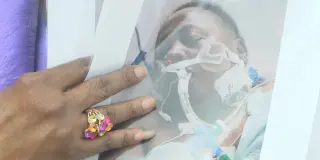
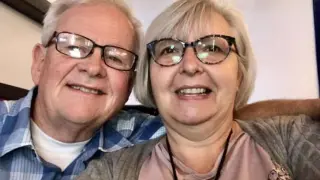
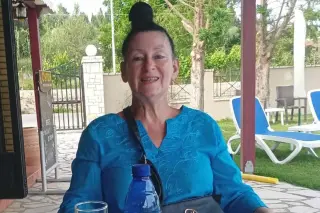
A local Cincinnati health group is educating the community about brain aneurysm signs and symptoms, using a survivor's firsthand story to emphasize warning signs and the importance of seeking timely medical care.
Two sepsis survivors recount life-threatening battles after common infections, highlighting how quickly sepsis can shutdown organs. With National Sepsis Awareness Month underway, they urge people to seek emergency care and request sepsis testing when infections worsen, noting that early antibiotics and treatment can save lives and recovery can require lengthy hospital stays and rehab.
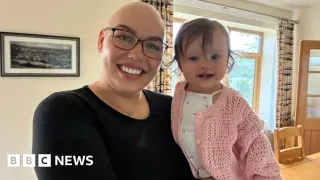
Alex Littlewood, 25, from Huddersfield, was diagnosed with incurable ovarian cancer shortly after giving birth and is urging other women to seek medical advice for persistent symptoms. The BEAT campaign highlights signs such as bloating, early fullness, abdominal pain, and changes in toilet habits, and experts emphasise that ovarian cancer can affect younger women as well, making early testing crucial.
Freddie Woodward, a 2016 British Olympic diver, details a years-long struggle with heavy porn use that intensified during his athletic ascent; after a painful 2017 leak and a long recovery, he quit porn two years ago and has since become an advocate, using his story to raise awareness and support for others, especially fellow athletes. Experts note porn addiction isn’t officially classified as an addiction (often falling under compulsive sexual behavior disorder), but it can impact relationships, work, and self-esteem, and Woodward aims to help others seek help.
Soraya Nodrab’s decades-long leg pain was diagnosed as lipedema, a chronic fat-accumulation disorder often mistaken for obesity; the condition’s visibility is increasing thanks to Doja Cat and other creators, but it remains underdiagnosed, with treatment focusing on symptom management and, for some, surgery, while there is no cure, highlighting the emotional toll of living with a misunderstood condition.
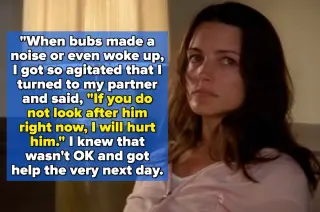
BuzzFeed collects 25 mothers’ personal stories to highlight the varied and often overlooked signs of postpartum depression, from extreme fatigue, sleep disruption, and anger to intrusive thoughts and self-harm ideation, noting that symptoms can begin months after birth and emphasizing the need for awareness and timely help.
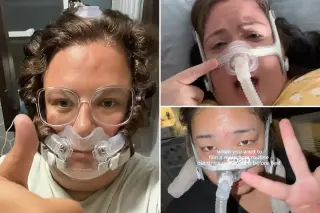
The New York Post highlights the ‘CPAP baddies’ movement, where young people use TikTok to glamorize CPAP masks and push back against the stigma around sleep apnea therapy. Supported by ResMed, the trend aims to normalize CPAP use, raise awareness of obstructive sleep apnea, and encourage treatment—often turning a medical device into a source of pride, with online virality and in-person events helping reduce barriers to adherence.
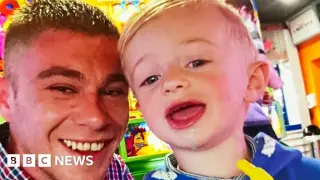
A community fundraising drive at The Elizabethan pub in Telford raised £18,000 to provide ketone-testing equipment for West Midlands Ambulance Service, enabling crews to routinely test for diabetic ketoacidosis (DKA). The effort honors Nik Russell, a 32-year-old with type 1 diabetes who died from DKA after refusing hospital, and aims to raise awareness and save lives. WMAS notes it was the country’s first trust to test for DKA and the gear began rolling out in May 2021, with Nik’s family and locals celebrating the impact and the project earning finalist status in the BBC Make a Difference Awards.
Jayne Hardman, who lost her nose to granulomatosis with polyangiitis (GPA) after a dog accident, now uses magnetic, titanium-anchored prosthetic noses—more than ten versions for different skin tones and occasions—and shares her journey online to normalise facial prosthetics and raise awareness of GPA and vasculitis, while advocating early diagnosis and support for others with facial differences.
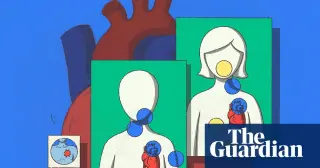
A hospital worker recounts nearly missing a heart attack because women often present with nonclassic signs. The piece highlights that female heart attack symptoms can include chest pressure in the upper abdomen, jaw, neck, back, fatigue and GI distress, and stresses proactive testing and patient advocacy (e.g., hs-CRP, Lp(a), ApoB, CAC) plus regular checkups. Experts note the need for better education and research on women’s cardiovascular risk and encourage patients to persist with doctors to get answers and appropriate tests.
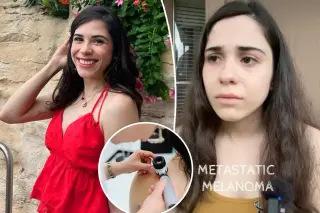
A 26-year-old Texas woman, Alondra Sierra, shared a warning before dying of stage IV melanoma, recounting a freckle she noticed at 19 and urging full-body skin checks for early detection; despite surgeries, immunotherapy, and radiation, the cancer spread and she died July 17, 2026, leaving a plea to others to get checked.
Stefani Ellison of Cedar City shares how her husband Stephen Ellison battled sepsis, led to leg amputation, and suffered a devastating cognitive and emotional decline that ended in his suicide in July 2025, urging better awareness, recognition, and resources for post-sepsis syndrome and offering crisis supports for others.
A Winnipeg man recounts how a financial adviser’s push for a PSA test led to a cancer diagnosis, followed by surgery and potential radiation or hormone therapy; the piece highlights the issue of false positives, the emotional toll of waiting, and the importance of regular PSA screening for early detection.
Sharon Alexander, a 72-year-old pastry chef and mother of eight, believed her worsening backache from a long shift was nothing serious, but she developed necrotizing fasciitis, a rare flesh-eating infection, which spread rapidly and led to her death days after hospital admission; her daughter Scarlett Simpson has launched a GoFundMe for the NF Foundation and completed a 50-mile hike to raise awareness and funds.
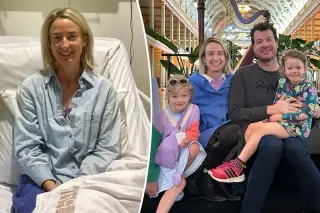
A 45-year-old Melbourne mum of two ignored fatigue, low iron and blood in the stool until a colonoscopy revealed stage-3 bowel cancer, prompting surgery (with a temporary stoma) and six months of chemotherapy. Now in remission and under regular monitoring, she’s speaking out to urge Australians not to dismiss bowel changes as just pregnancy or aging, highlighting rising rates among younger people and backing the Poo Check awareness campaign to normalise conversations about bowel health.