A 5-year-old on a family vacation in Oregon developed a stomachache and vomiting that rapidly escalated to a life-threatening case of Clarkson’s disease (systemic capillary leak syndrome). The rare diagnosis, typically seen in adults and with few pediatric cases, caused plasma leakage, edema, and distributive shock, leading to the child’s death after extensive life-support efforts. The case underscores how difficult it is to diagnose this condition in children and that there is no established cure, with fundraising supporting the family.
Viet Vu of Denver, Colorado, is urging parents to recognize symptoms of systemic capillary leak syndrome (SCLS) after his 5-year-old son, Justin, died from the rare condition during a family vacation in Oregon. Justin appeared healthy until the fourth night of the trip when he developed a stomachache and vomiting. Doctors initially suspected appendicitis or infection, administering four antimicrobial medications, but Justin was transferred to a Portland children's hospital and placed in intensive care. He died on July 8, five days after hospitalization. Vu, a radiologic technologist, stated that he had never heard of SCLS before and wants to raise awareness because the disease often presents with no clear signs. The National Organization for Rare Disorders notes that SCLS, also known as Clarkson's disease, is extremely rare in children, with fewer than 500 cases reported globally since the 1960s. It involves fluid leaking from capillaries, leading to rapid blood pressure drops and symptoms like nausea, lightheadedness, and swelling. Vu emphasized that the condition can mimic infections due to elevated white blood cell counts, making early diagnosis difficult. He described Justin as a happy, active boy who loved T-ball and meeting new people, expressing grief over the sudden loss of his child.
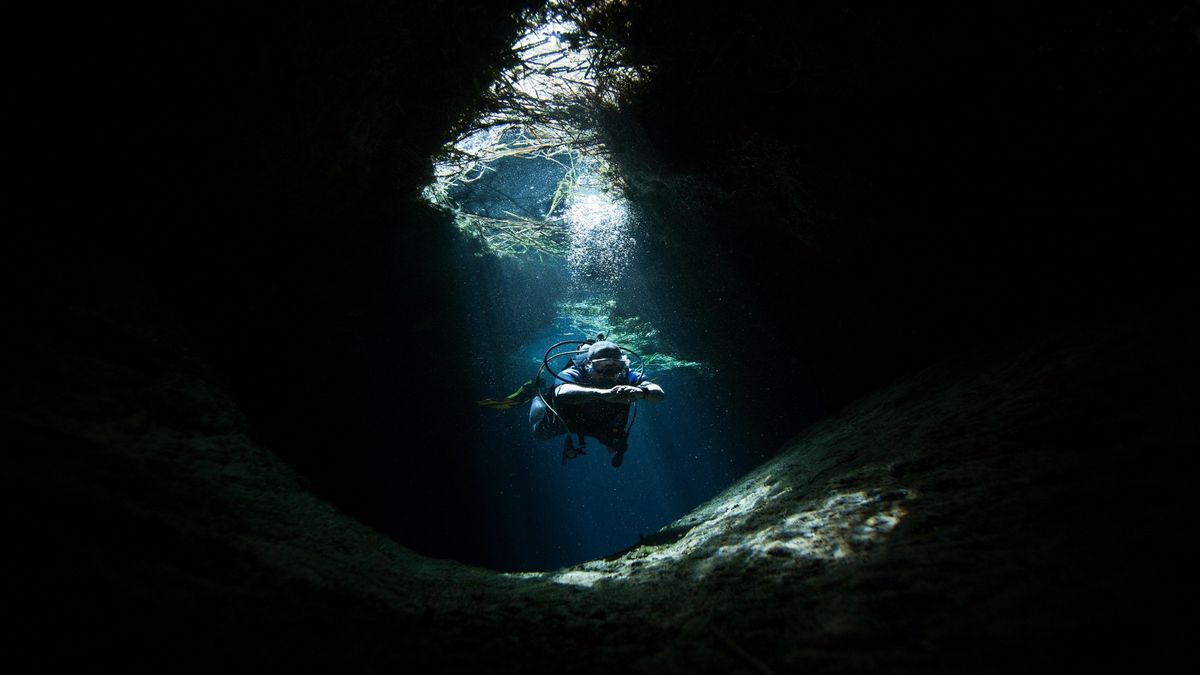
In a rare medical case, a scuba diver who went on a 100-foot cave dive developed systemic capillary leak syndrome (SCLS), a severe form of inflammation where fluid leaks out of blood vessels. The syndrome was a complication of decompression sickness, commonly known as "the bends." Prompt treatment and recognition of symptoms by medical professionals helped the diver survive and recover in under a week. This case highlights the importance of awareness among physicians regarding potential complications associated with deep diving. However, it is important to note that millions of people dive safely each year without experiencing this syndrome.