Seven-year-old Geno Mueller suffered a stroke at a pool; his father Bo Mueller immediately recognized warning signs, called 911, and Geno was flown to the Cleveland Clinic for emergency clot removal, after which he recovered and returned to school, highlighting that strokes can occur in children and the BE FAST signs should trigger urgent care during Stroke Awareness Month.
Harvard/BIDMC researchers tested OpenAI’s o1-preview against two physicians in ER triage; the AI diagnosed correctly in 67.1% of 76 real cases (physicians 55.3% and 50%), and offered a helpful differential in 97.9% of cases. The study suggests AI could complement clinicians, not replace them, but notes limitations with multimodal data and hallucinations, underscoring the need for rigorous trials and safety safeguards before broad adoption.
A Harvard Science study shows AI systems outperformed human doctors in emergency department triage using the same electronic health records; AI reached 67% exact/close diagnoses vs 50–55% for humans and performed better on longer-term treatment planning (89% vs 34%). However, the test used only text-based data and did not assess signals like distress or appearance, framing AI as a second-opinion tool rather than a replacement for clinicians. Experts see AI as potentially reshaping medicine while emphasizing accountability and ongoing evaluation.
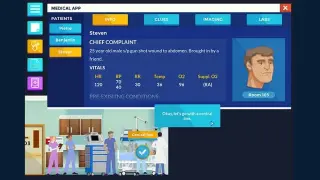
A yearlong JAMA trial with 800 emergency physicians at non-trauma centers found that training with the Night Shift video game reduced under-triage of severely injured older patients from 57% to 49% compared with standard education; the effect faded after about 30 days, suggesting shorter, more frequent refreshers may help, and that game-based training could strengthen clinical judgment.
A Nature Medicine study tests ChatGPT Health with 60 clinician-authored vignettes across 21 clinical domains under 16 factorial conditions (960 responses). Performance follows an inverted U-shape, with the most dangerous errors at extremes: 35% for non-urgent cases and 48% for emergencies. Among gold-standard emergencies, 52% were under-triaged (e.g., could misdirect diabetic ketoacidosis or impending respiratory failure to 24–48 hours instead of ED), while classic emergencies like stroke and anaphylaxis were correctly triaged. Anchoring by family or friends shifted edge-case triage toward less urgent care (OR 11.7). Crisis-intervention messages activated inconsistently across suicidal ideation presentations. No significant effects by patient race, gender, or barriers to care. Overall, the findings raise safety concerns and call for prospective validation before consumer deployment of AI triage tools.
Emergency departments regularly treat sex-related injuries—from penile fractures and foreign objects to vaginal tears and testicular torsion—often aggravated by embarrassment and delays in seeking care. Doctors say prompt evaluation is crucial for time-sensitive conditions, advise safer devices and lubrication, and remind patients that these issues are common and doctors aren’t judging.
Colorado is in the midst of a record-breaking flu season, with emergency departments seeing high visit volumes and hospitalizations as doctors warn of a highly contagious, severe flu that can cause vomiting and diarrhea in addition to respiratory symptoms. The CDC ranks Colorado among the states with the most flu activity; nationwide pediatric ED visits are high and several children have died. Two groups drive ER demand: healthy individuals with severe symptoms and patients with underlying conditions whose illnesses worsen. Wastewater surveillance shows very high flu levels in Colorado, guiding testing and resource use. Vaccination remains recommended to reduce severity, while most cases are managed at home unless symptoms are severe enough to require urgent care.
A Pittsburgh-based medical professional praises the TV show 'The Pitt' for its realistic portrayal of hospital life, including medical procedures and the emotional challenges faced by healthcare workers, highlighting the importance of support and debriefing in high-stress environments.
The article shares 27 astonishing stories of people surviving extreme medical incidents, from gunshot wounds and falls to miraculous recoveries from life-threatening conditions, highlighting the resilience of the human body and the skill of medical professionals.
Researchers highlight the rising costs of e-scooter injuries, with Irish hospitals spending over $150,000 annually on such cases, mainly involving musculoskeletal injuries and head traumas, emphasizing the need for stricter safety regulations and helmet laws to reduce injuries and healthcare burden.
Emergency Physicians P.A. is expanding its urgent care model in the Twin Cities by opening a new clinic in Golden Valley, offering advanced diagnostics and ER-level staffing to treat complex cases outside of hospitals, aiming to reduce ER crowding and improve patient care.
Emergency physicians highlight five critical types of pain—sudden, persistent pain; chest pain; calf pain with redness; tearing upper back pain; and certain lower abdominal pains—that should prompt immediate medical evaluation due to their potential severity. While all pain warrants attention, these specific symptoms are especially concerning and may indicate serious conditions like heart attacks, blood clots, or vascular issues. Seeking prompt medical care is crucial for proper diagnosis and treatment, even if the pain turns out to be benign.
Improving access to blood for emergency medical services (EMS) in the field could potentially save up to 10,000 lives annually, according to surgeons at an American College of Surgeons conference. They highlighted the importance of rapid blood availability in enhancing survival rates during emergencies.
A recent study highlights that taking 325mg of aspirin within four hours of severe chest pain can significantly reduce heart attack deaths. Doctors recommend immediate aspirin intake for symptoms like intense chest pain, sweating, and dizziness, but caution against its use for those with allergies or certain medical conditions. While aspirin can thin blood and prevent clot formation, it should not be taken long-term without medical advice due to bleeding risks.
Dr. Charles Hamori, a San Diego primary care physician, shares his personal experience of suffering a stroke during a tennis match and emphasizes the importance of recognizing stroke symptoms. He highlights the role of stroke carts, which enable remote consultation and immediate intervention, in saving lives. Hamori advocates for greater awareness of stroke symptoms such as slurred speech, facial drooping, arm weakness, or dizziness.