David Robinson, a former OpenAI safety report writer, resigned this week and published an essay in The Atlantic arguing that the company's 'unimpeded optimism' and lack of humility create dangerous risks. He advocates for 'nuclear-level' safeguards and slower development. This departure follows OpenAI firing three researchers for mishandling sensitive data and coincides with a broader industry push for AI safety, including a recent FTC investigation and White House summit.
Despite a broader decline in US smoking rates, a niche counterculture of cigarette smokers is emerging among Silicon Valley tech founders and engineers. This trend is driven by the desire for authentic social bonding, a rejection of hyper-optimized wellness culture, and the influence of immigrant workers from regions with higher smoking prevalence. While smoking remains controversial in the health-obsessed tech sector, some view it as a signal of authenticity and a tool for informal networking.
Claire Stapleton, a former Google communications lead known as the 'Bard of Google,' has released a memoir detailing her twelve-year tenure at the tech giant. Stapleton, who helped organize the 2018 walkout of 20,000 employees protesting sexual misconduct handling, argues that Google’s utopian founding ideals were systematically undermined by corporate bloat and a culture that punished dissent. While the company initially projected an image of radical transparency and innovation, Stapleton contends that leadership shifts, particularly after 2011, created a hierarchical structure that prioritized branding over employee well-being. The book highlights the psychological toll of fusing personal identity with corporate mission, noting that while activism led to some policy changes, it also triggered a chilling effect on internal speech. Stapleton’s account serves as a critique of how tech giants have transitioned from countercultural disruptors to centralized power brokers, leaving workers disillusioned and questioning the meaning of their labor in the age of AI.
Amid an Altman attack and a broader AI backlash, Silicon Valley’s tech leaders are hiring a new, more discreet and tech-fluent class of security personnel—prioritizing relationship-building and risk assessment over brute force. High-profile figures like Nvidia’s Jensen Huang and others such as Ali Ghodsi and Tobi Lütke have shown heavier protection, signaling a booming security industry that favors smarter, more approachable guards for the era’s wealthiest executives.
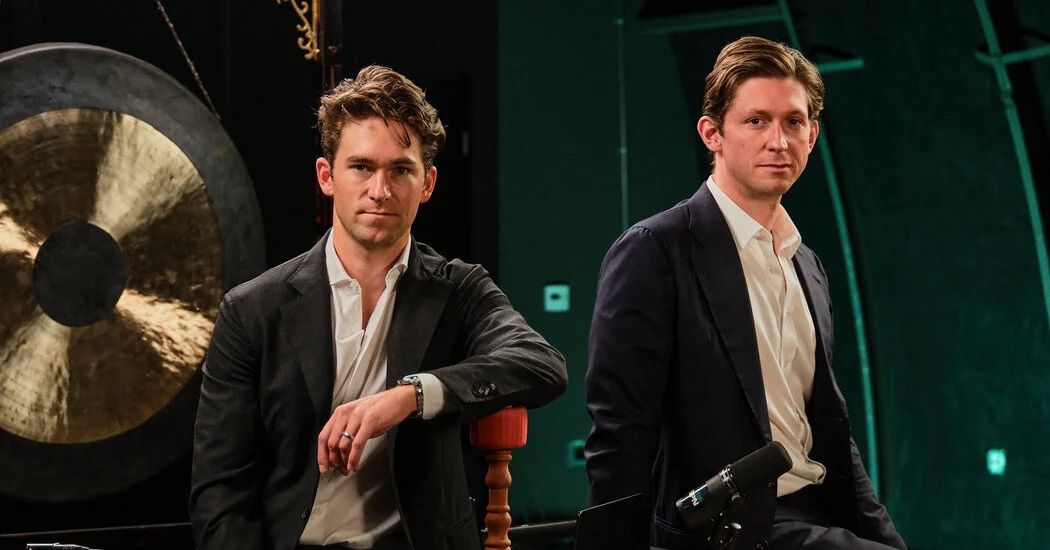
Silicon Valley has developed a fascination with 'TBPN,' a streaming show where tech industry news and trivial career moves are documented in a style reminiscent of SportsCenter and LinkedIn, reflecting the region's unique tech-centric culture.
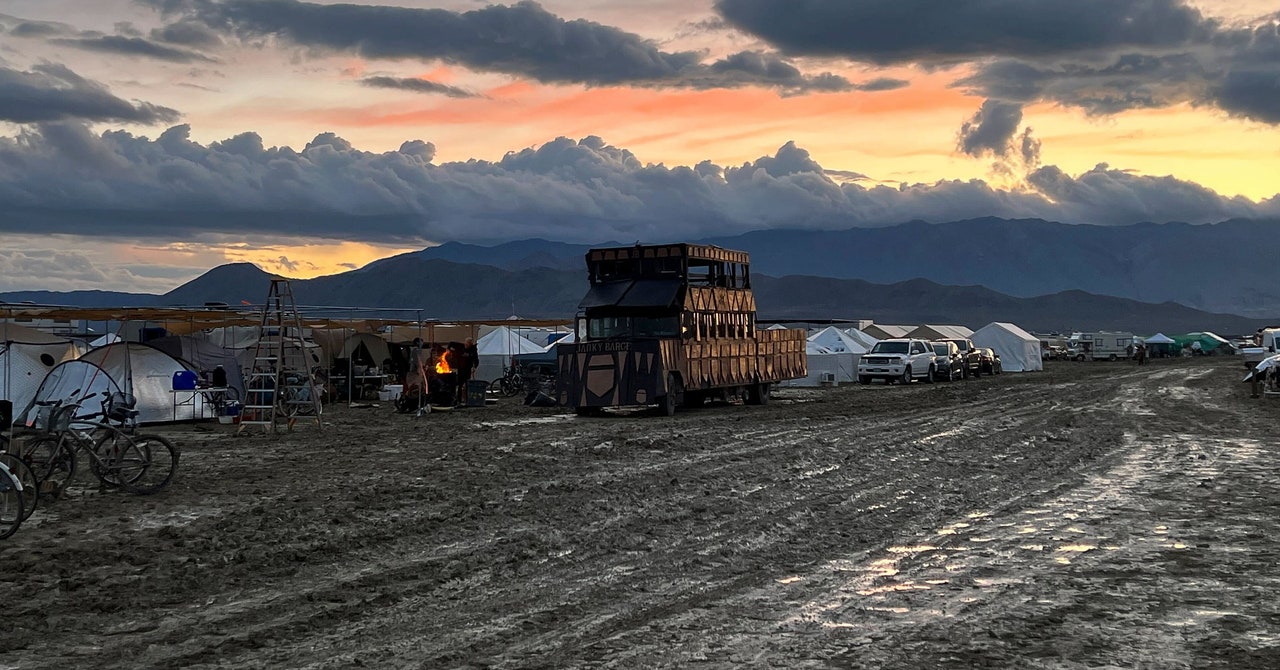
The annual Burning Man festival in Nevada's Black Rock Desert is experiencing a clash between long-time attendees and tech bros, celebs, and influencers who expect a weeklong Coachella in the desert. The event's core principles of self-reliance and decommodification are being challenged by the growing piles of debris left behind and the festival's impact on climate change. Social media has played a role in spreading misinformation and distorting the perception of the event. While some argue that Burning Man's tenets worked during this year's rain-induced fiasco, others point out that not all attendees followed the principle of decommodification.