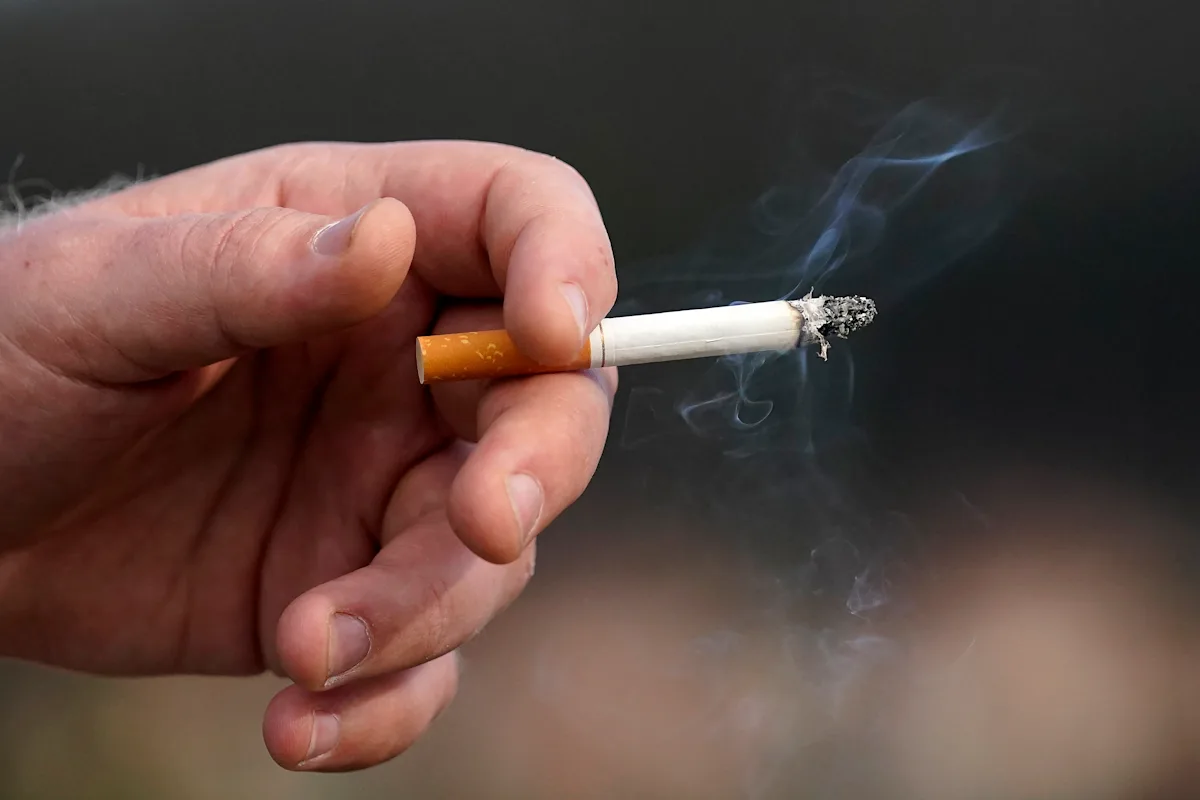
The UK government has approved a policy preventing the sale of cigarettes to anyone born after 2008, effectively creating a generation that cannot legally buy tobacco in an effort to reduce smoking rates over time.
The U.K. House of Commons passed a bill to create a "smoke-free generation" by banning the sale of cigarettes to those born in 2009 or later, with the legal age for purchase increasing each year. The legislation, led by Prime Minister Rishi Sunak, has sparked debate within the Conservative Party, with opponents criticizing it as emblematic of a "nanny state." The bill excludes vaping products but seeks to make vaping less attractive, and fines retailers for selling tobacco products. The move is inspired by New Zealand's tough anti-tobacco laws, but faces opposition and concerns about enforcement and individual rights.
The Massachusetts town of Brookline has upheld a bylaw banning the sale of tobacco to anyone born in the 21st century, with the state's highest court ruling in its favor. This unprecedented measure, which went into effect in 2021, could serve as a model for other communities seeking to restrict tobacco sales. While critics argue that the bylaw conflicts with state law, the court emphasized the authority of local governments to regulate public health. Similar measures have been considered in New Zealand and the UK, reflecting a global trend toward stricter tobacco regulations.
New Zealand's government is set to repeal a world-first law banning tobacco sales for future generations, which would have implemented the toughest anti-tobacco rules in the world. The decision to scrap the law without seeking public comment has drawn criticism over its likely impact on health outcomes, particularly among Maori and Pasifika populations with higher smoking rates. The government plans to take a different regulatory approach to discourage smoking and reduce harm, including tightening regulations on vaping.