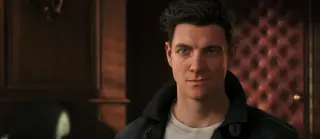
A reviewer argues 007: First Light presents a more mature, irresistibly sexy James Bond in a coming‑of‑age MI6 story, powered by a confident performance, witty banter with Moneypenny, and a tone that treats Bond’s sexuality as a grown-up facet of character rather than objectification.
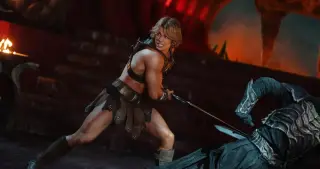
A big-budget misfire: Masters of the Universe bungles its take on masculinity by layering a half-real-world Oklahoma detour into a patchy script, leaving the characters underdeveloped and the message muddled as IP-driven spectacle overruns any cohesive storytelling.
Vox explains how looksmaxxing culture and rising testosterone use—often self-directed through direct-to-consumer clinics—can lower sperm counts and fertility, a risk largely reversible after stopping TRT; the piece also discusses how online masculinity pushes aesthetic perfection over reproduction and the need for medical counseling.
A 2016 Journal of Counseling Psychology analysis of 78 studies (nearly 20,000 participants) found men who subscribe to rigid masculine norms and misogynistic attitudes—such as exerting power over women or Playboy-like behaviors—are more likely to report poorer mental health and are less likely to seek treatment, though causality isn’t established. The findings suggest these harmful norms affect men and highlight the need to rethink upbringing to reduce domination beliefs.
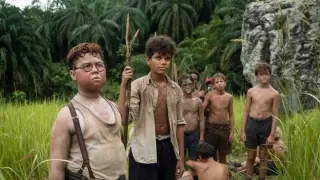
BBC Culture argues that William Golding’s Lord of the Flies, a 1954 novel long seen as a microcosm of society, remains strikingly relevant as Netflix debuts a new series by Jack Thorne told from four boys’ perspectives; the adaptation adds backstories and preserves the island’s power struggle to explore themes of evil, order, and masculinity in a troubled world, contextualized by its Cold War origins and ongoing concerns about how youth inherit and mirror adult divides.
A multi-country study published in Norma: International Journal for Masculinity Studies links masculine norms to larger carbon footprints, driven by travel, meat-heavy diets and high-emission industries, and finds men generally show less concern for climate change and environmental politics than women, though some men are actively working to change these patterns; prior research notes men emit about 26% more pollution than women in transport and food in France, highlighting a gender-based emissions gap.
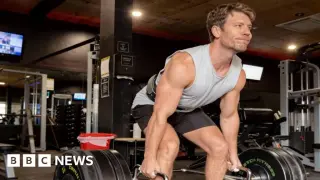
A BBC report highlights a growing counter-movement to online masculinity trends, where health and nutrition experts critique extreme looksmaxxing practices (including dangerous bone-smashing) promoted by some influencers, while advocating evidence-based guidance and a broader, healthier range of masculinities.
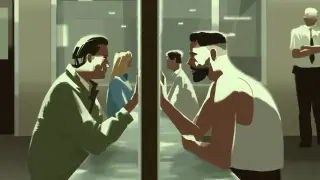
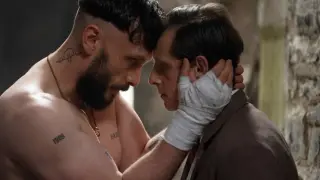
The New Yorker’s Inkoo Kang reviews Half Man, HBO/BBC’s drama about Niall and Ruben—two men who call themselves brothers—whose decades‑long, fiercely codependent relationship blends protection, aggression, and sexual tension. Set in Glasgow and driven by time jumps that heighten dread, the series probes internalized homophobia, power dynamics, and self-loathing, anchored by standout performances from Jamie Bell and Richard Gadd. While Ruben’s pathology can feel schematic, Niall’s complex, self-aware arc and the show’s mature take on masculinity carry the narrative toward a tense, emotionally charged meditation on family, desire, and culpability.
Vulture’s review of HBO’s Half Man traces Ruben and Niall’s decades-long, fraught bond as it delves into sexuality, homoerotic tension, and masculinity; the early, transgressive mood is immersive and provocative, but as the brothers grow older the show becomes increasingly didactic and stylized, undermining the chemistry of the leads and leaving bigger questions about toxic masculinity unresolved.
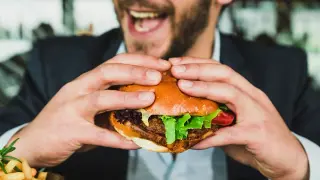
This piece explains 'boy kibble'—a TikTok trend where men post macho, protein-forward meals—and discusses how the framing of these meals reflects gender norms and broader social-media food culture.
Richard Gadd’s Half Man, a non-autobiographical follow-up to Baby Reindeer, stars Gadd as Ruben, a volatile figure who arrives uninvited at his brother’s wedding and drives a brutal, spiraling dynamic with his sibling. The series probes masculine identity and power through graphic violence and emotionally scarred characters, supported by strong turns from Jamie Bell and standout younger actors; it premieres in the US on HBO/HBO Max on April 23 and in the UK on BBC iPlayer on April 24.
Five seasons in, The Boys remains sharp satire of power and hypocrisy, but many male fans misinterpret its critique or feel betrayed by its direction, fueling debates on satire's limits and how current politics shape the show's reception.
The article argues Chuck Norris’s career—martial-arts stardom, iconic action films, and the viral Chuck Norris Facts—helped turn him into a participatory cultural idea. This shift fostered an ethos of aggressive, participatory masculinity that prefigured the modern manosphere, linking Norris’s influence to later figures like Andrew Tate; Norris’s death is presented as a reminder of his outsized impact on culture and gender norms.
A WIRED feature examines a growing “High T” trend where men pursue elevated testosterone through natural diets, supplements, and testosterone replacement therapy (TRT), driven by manosphere culture and optimization ethics. Some individuals reach or exceed the upper natural range and report life changes, while medical experts warn of fertility suppression, side effects, and the risk of normalizing unhealthy levels; the piece also situates the phenomenon in broader political and cultural debates about male vitality and identity.
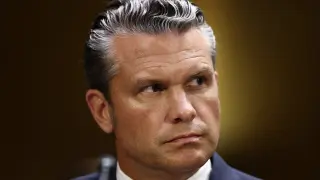
A look at how gym-themed public displays by Trump-era officials—featuring Pete Hegseth, RFK Jr., and Kid Rock—are deployed as political messaging to project masculine strength and energize voters, amid policy fights and looming foreign crises, with experts noting the tactic taps cultural anxieties about male identity.