Student protests have spread to at least 20 provinces, challenging rules that fix the decisive role of 11th-grade GPA in the national university entrance exam (konkur) and the way final exams are held, with clashes and arrests reported in several cities as demonstrators demand reform.
The U.S. Department of Education, under Secretary Linda McMahon, has directed the National Center for Education Statistics to collect detailed admissions data from universities to ensure race-based preferences are not used, following a Supreme Court ruling against racial preferencing in college admissions. This initiative aims to promote transparency and fairness in higher education by disaggregating data by race and sex, and implementing rigorous audits for accuracy.
California's proposed overhaul of the math teaching guide, aimed at making the subject more accessible and equitable, has sparked debate over its potential impact on student achievement. The 1,000-page teaching framework, which emphasizes "equity" and de-emphasizes tracking, is expected to be approved by the state Board of Education. However, controversy surrounds the math requirements for admission to University of California and California State University campuses, particularly regarding the substitution of a data science class for Algebra II. The UC faculty committee initially approved this alternative but later reversed its decision, leading to protests. The UC Office of the President has now stated that data science courses will be accepted for advanced math requirements for fall 2024 applicants, pending a review. Critics argue that the proposed framework falls short and dilutes standards, while supporters believe it provides opportunities for students of all math levels and promotes a more modern approach to math education.
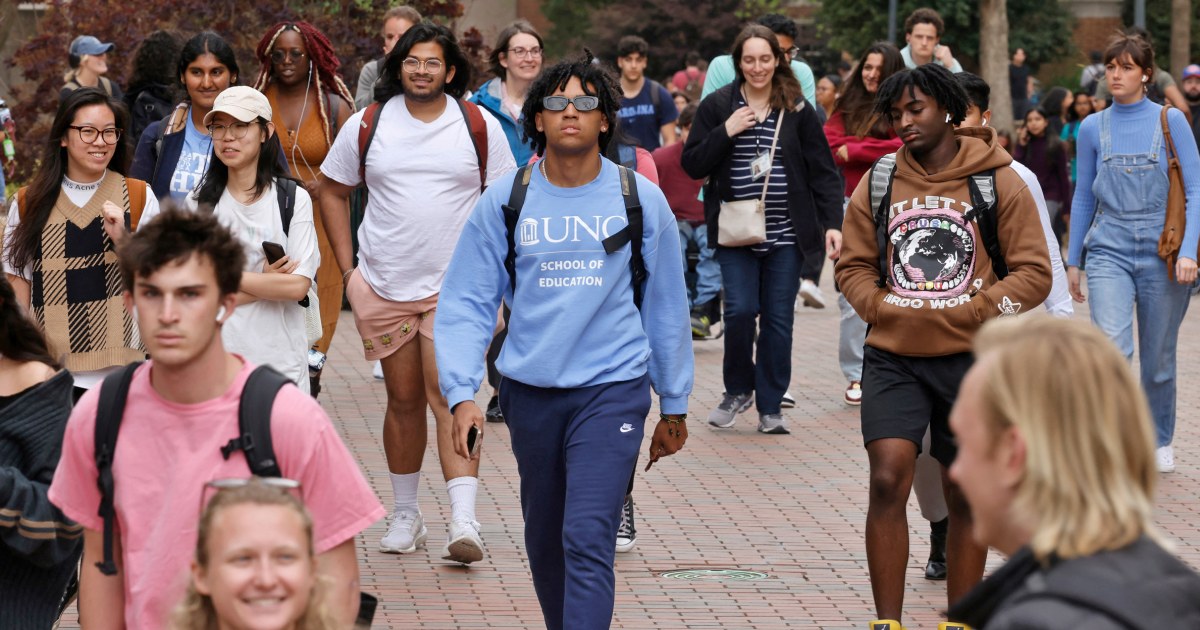
The Supreme Court recently struck down race-based admissions practices at public and private universities, raising concerns about the impact on diversity and equity. California, which banned race-based admissions at public universities in 1996, offers insights into the consequences of such a ban. The ban resulted in a significant drop in diversity at top California universities, with enrollment of Black and Latino students falling by 40%. These students were also less likely to earn graduate degrees or enter lucrative STEM fields. Efforts to increase diversity through race-neutral policies have been costly and time-consuming, but have only begun to make up for the lost diversity. Experts believe that similarly competitive universities across the country will be affected by the Supreme Court's ruling.
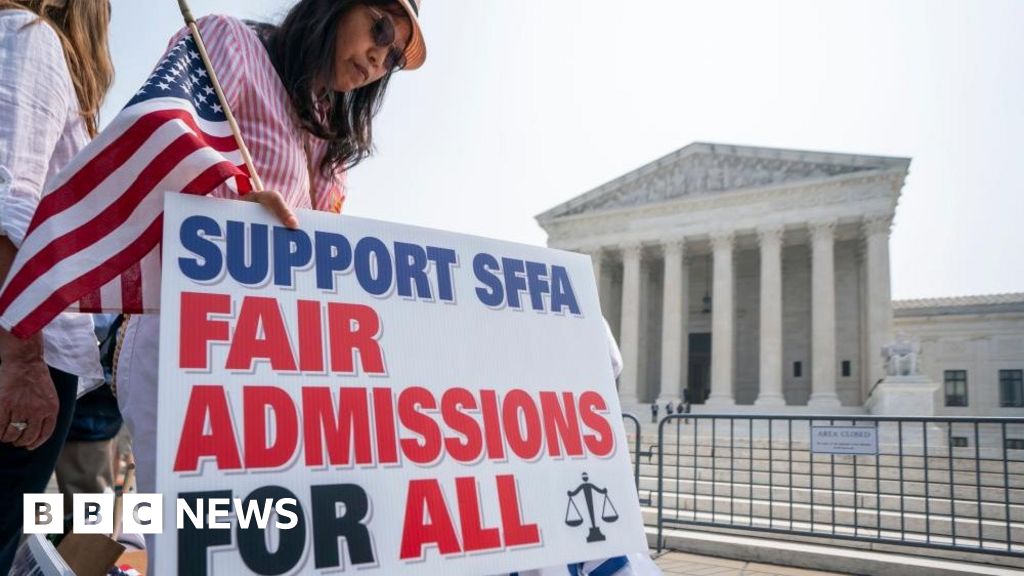
The US Supreme Court has overturned race-based affirmative action policies in university admissions, ruling that race can no longer be considered as a factor. The decision, which covered cases involving Harvard and the University of North Carolina, has upended decades-old policies on affirmative action. President Joe Biden expressed strong disagreement with the ruling, stating that discrimination still exists in America. The court's conservative majority argued that universities should not discriminate based on race, while dissenting liberal justices warned that the ruling would perpetuate colorblindness in a segregated society. Advocates for the decision celebrated it as a restoration of a colorblind legal covenant, while critics expressed concern about the impact on diversity and the experiences of marginalized students.
The Supreme Court has ruled that affirmative action programs at the University of North Carolina and Harvard are unconstitutional, violating the Equal Protection Clause. The decision, with a 6-3 vote in the UNC case and 6-2 in the Harvard case, marks a major victory for conservative activists and overturns decades of precedent. Conservatives argue that the Constitution should be "colorblind," while liberals view affirmative action as a necessary tool to address historic race discrimination. President Joe Biden expressed disappointment and pledged to provide guidance on maintaining diversity without violating the ruling. The ruling is expected to have far-reaching implications for higher education and may impact K-12 schools and employment practices.