Rising vaccine skepticism alarms scientists and parents of children with cancer, highlighting the risk that hesitancy could affect vulnerable kids as Long Island families cope with pediatric illness.
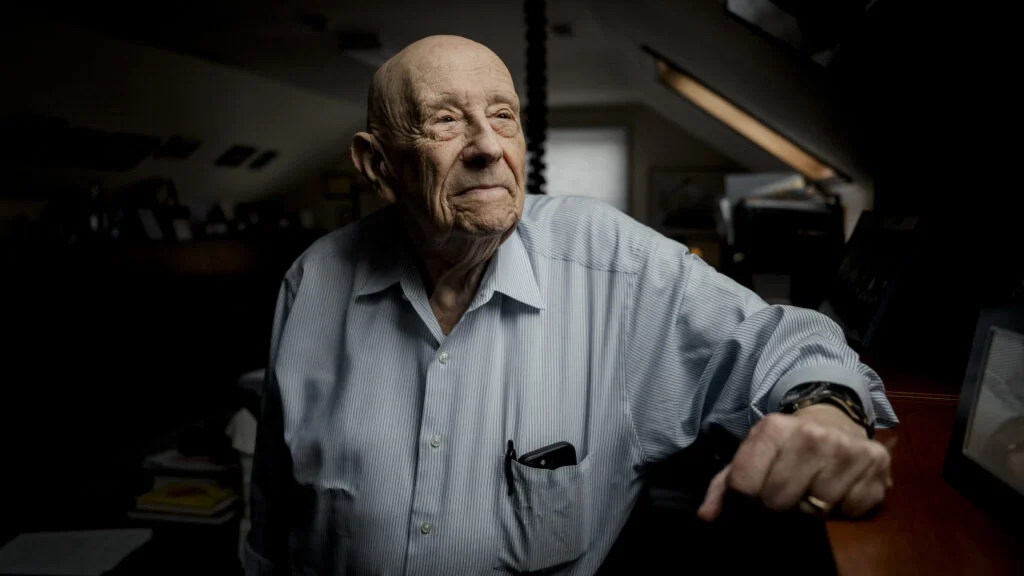
Renowned vaccine developer Stanley Plotkin reflects on vaccines' success against Hib, rubella, and rotavirus, but laments declining vaccination rates and rising vaccine skepticism driven by politics and social media, warning that preventable diseases could re-emerge if public health gains erode.
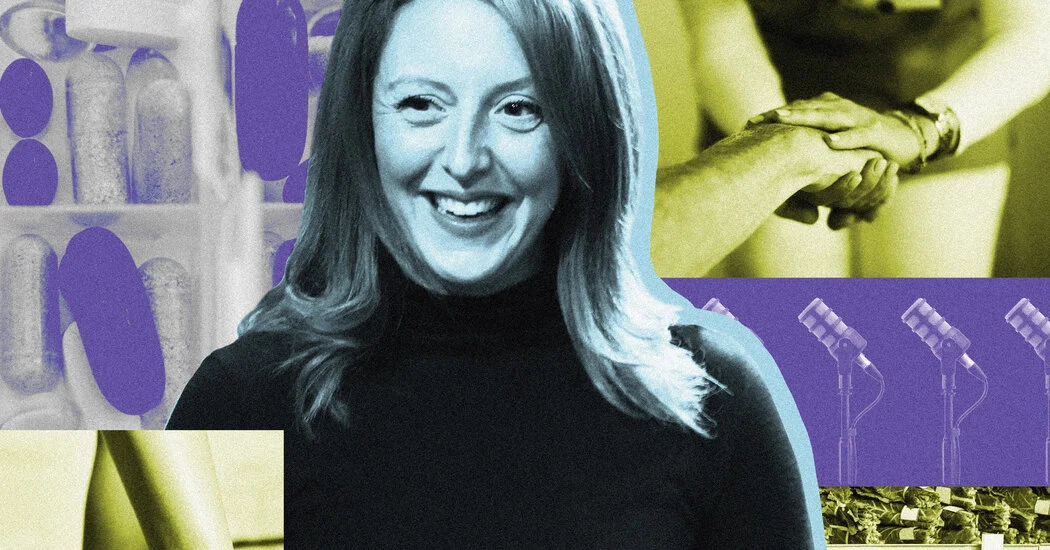
Stanford-trained physician and wellness influencer Casey Means appears before a Senate committee as President Trump’s nominee for surgeon general, a role that would shape public health messaging. Supporters say her focus on lifestyle, nutrition and root-cause approaches could reform medicine, but critics note she lacks an active medical license and has promoted controversial ideas that could fuel distrust in science.
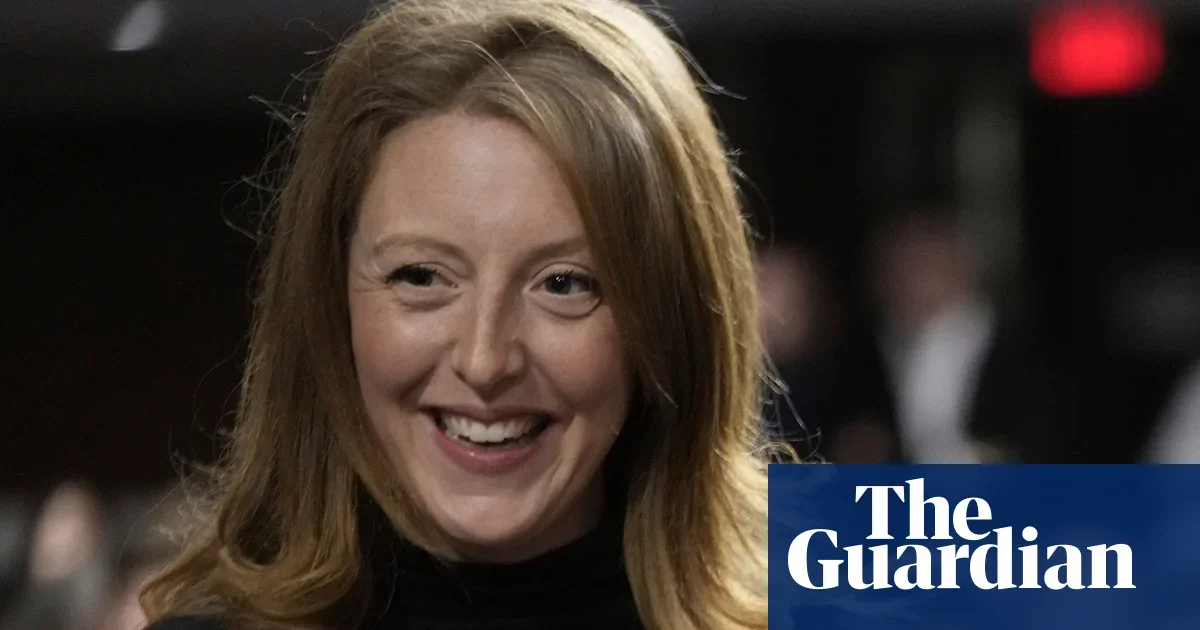
Casey Means, a Stanford-trained but not board-certified surgeon and wellness influencer tied to RFK Jr.’s health policy, is Trump’s nominee for surgeon general and will be grilled by the Senate HELP committee. Critics question her lack of an active medical license and extensive clinical experience, while supporters note her focus on diet and lifestyle and her role in the Make America Healthy Again movement. Means co-founded Levels and co-authored Good Energy, arguing for real-time metabolic data and signaling skepticism toward the standard vaccine schedule; the nomination has sparked backlash from the medical establishment as the administration reshapes health policy amid turnover at the HHS and CDC.
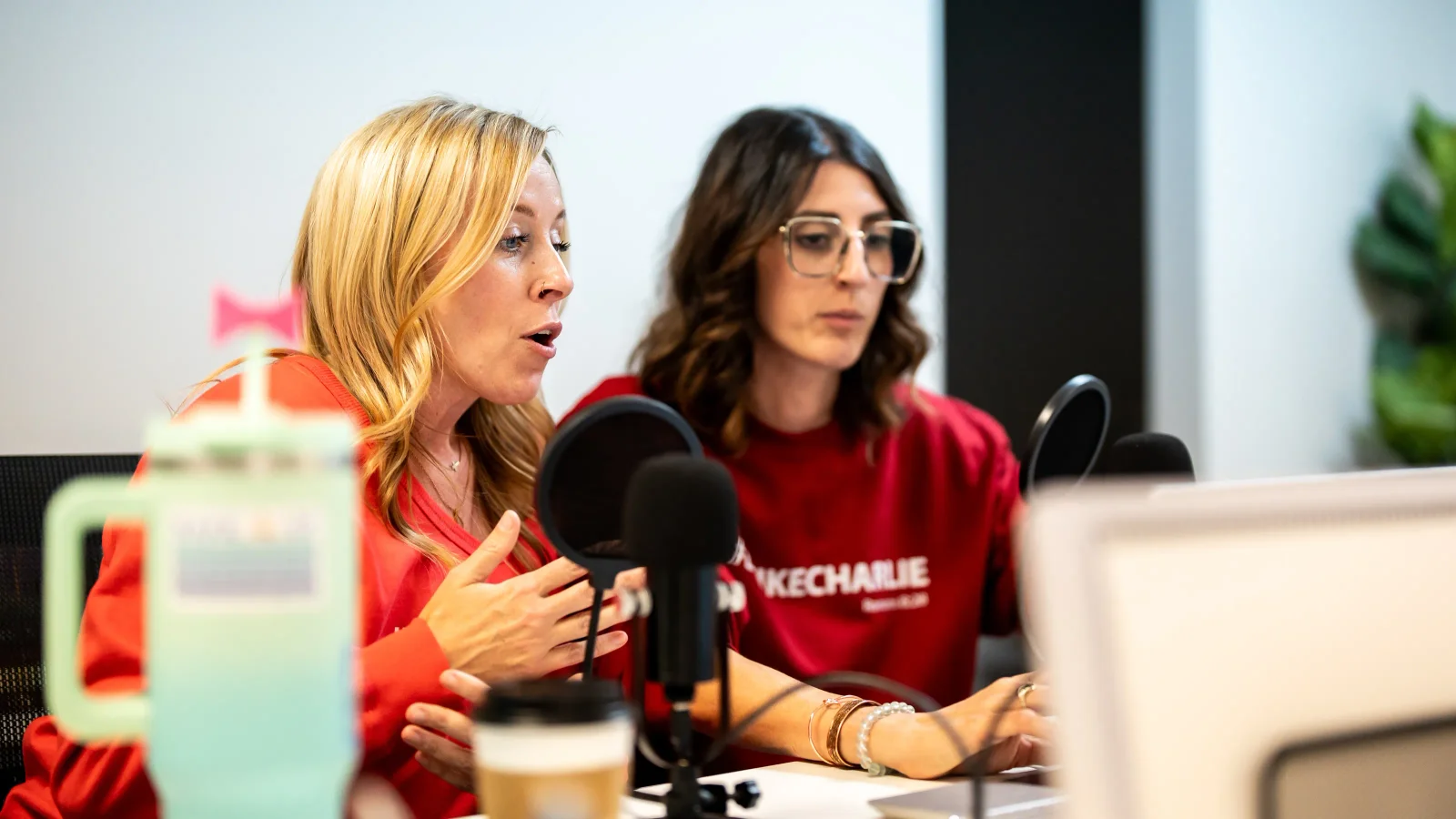
A USA TODAY feature traces how the once-progressive 'crunchy' wellness movement has shifted toward vaccine skepticism, amplified by RFK Jr.'s influence and a media ecosystem that rewards questions about vaccines and safety testing. It follows Bright and LoConti, who argue for transparency and probe vaccine safety, while public-health experts warn that equating questions with proven risk undermines science and risks lower immunization rates, a trend accelerated by the COVID era and wellness content online.
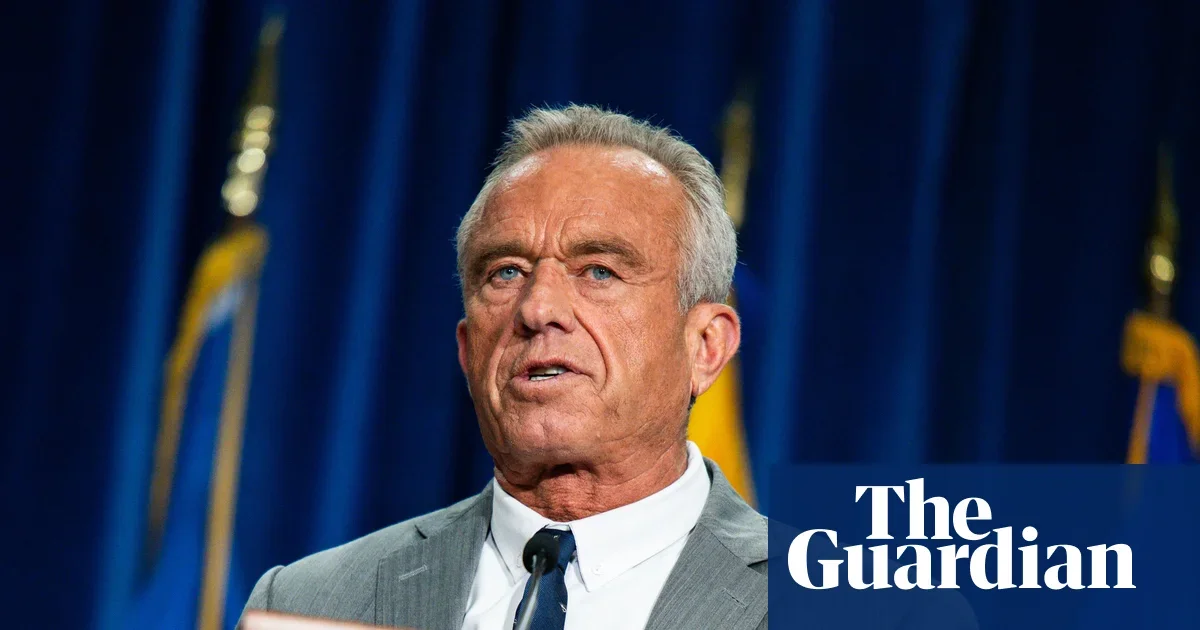
Health secretary RFK Jr. appointed two obstetricians who have publicly questioned vaccines and antidepressants during pregnancy to the CDC's Advisory Committee on Immunization Practices (ACIP), expanding the panel after a broad reshuffle; critics warn the move could undermine vaccine safety guidance.
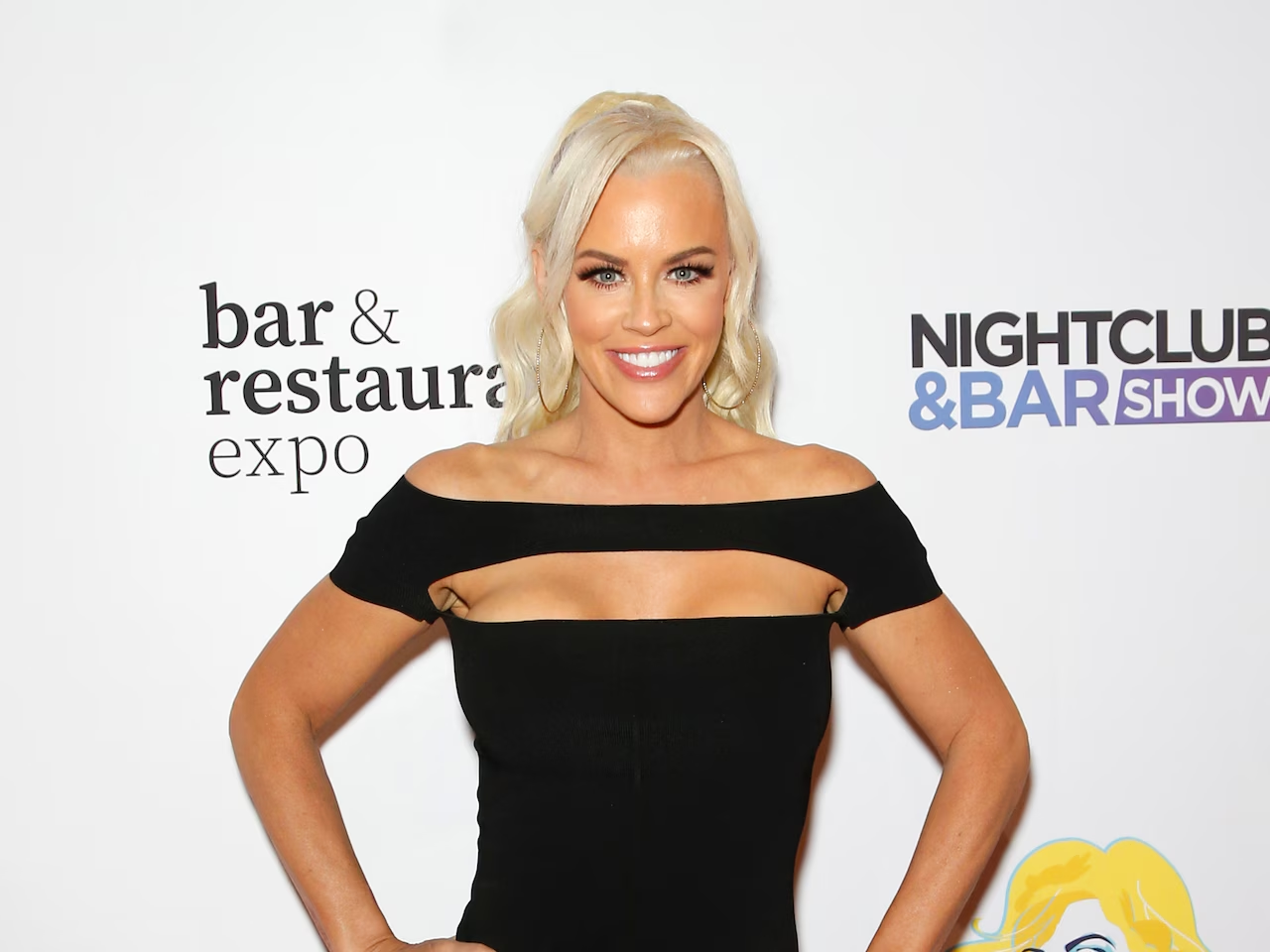
Jenny McCarthy claims that many in Hollywood privately hold conservative views and support Robert F. Kennedy Jr.'s health positions, but are reluctant to publicly express these beliefs due to fear of professional backlash, especially regarding vaccine skepticism and related issues.
An infectious disease doctor shares her experience of engaging in a respectful conversation with a vaccine skeptic on a plane, emphasizing the importance of dialogue in combating misinformation and conspiracy theories about diseases and vaccines, and highlighting the need for trust and understanding between scientists and the public.
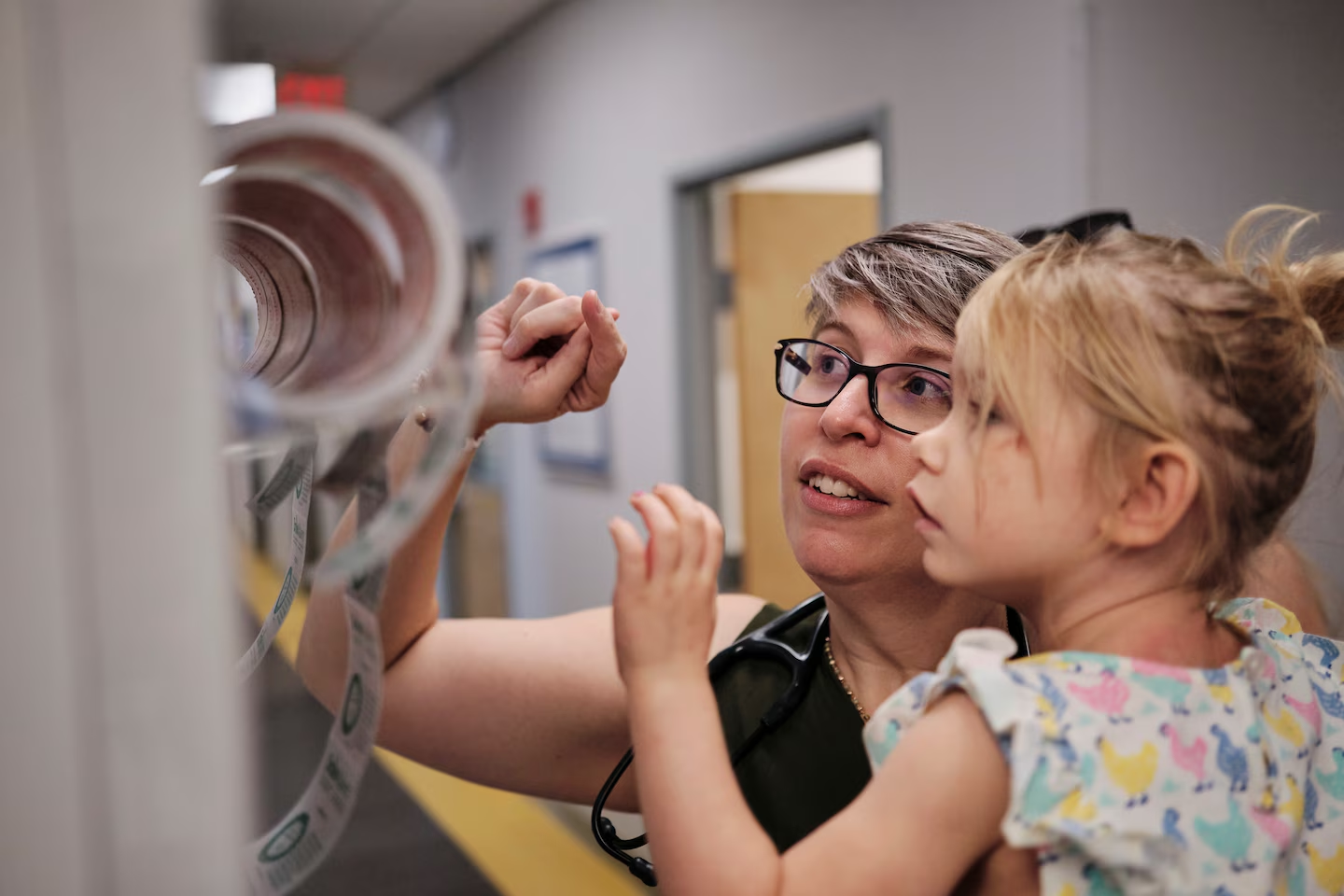
Dr. Andrew Miller, a pediatrician in North Carolina, navigates the challenges of vaccine skepticism by maintaining open, non-coercive relationships with parents, despite the rise of dismissal policies and misinformation, emphasizing the importance of trust and education in vaccination efforts.
In a context of rising vaccine skepticism fueled by social media, parents tend to trust pediatricians most for vaccine information, despite encountering false claims like those linking hepatitis B vaccine ingredients to autism.
Many adults in the U.S. are found to be unvaccinated due to childhood exemptions or parental decisions, leading to potential health risks and the importance of catching up on immunizations later in life, amid rising vaccine skepticism and declining vaccination rates.
Five new advisers with anti-vaccine views are joining the CDC's vaccines committee, raising concerns about potential impacts on vaccine policy and public health, especially amid ongoing outbreaks and upcoming vaccine decisions.
Democratic governors are actively building a vaccine firewall against RFK Jr., amid internal party skepticism about vaccines and health policies, as they navigate challenges from vaccine fatigue, internal disagreements on healthcare messaging, and the need to counter Republican narratives ahead of the midterm elections.
U.S. Health Secretary Robert F. Kennedy Jr. is reshaping the CDC’s vaccine advisory panel by adding members known for vaccine skepticism, raising concerns about potential bias in vaccine policy decisions amid ongoing debates over vaccine safety and influence.
Over 1,000 current and former HHS employees have called for Robert F. Kennedy Jr. to resign or be fired, citing concerns over his leadership and decisions that they believe endanger public health, amid recent upheavals at the CDC and changes to vaccine policies.