A 25-year-old says she spent her life working hard under the belief her parents were scraping by, only to discover they are worth about $10 million, leaving her feeling misled about her upbringing and her own sacrifices.
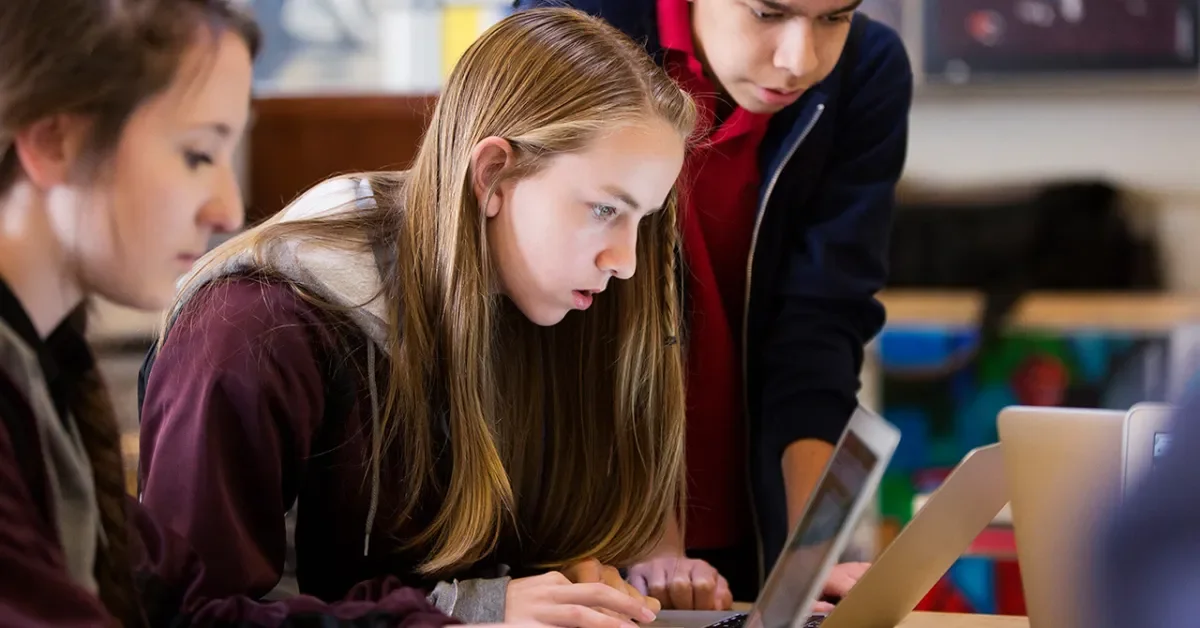
Self-published author Jared Cooney Horvath argues in The Digital Delusion that heavy classroom screen use harms learning and test scores, fueling a growing movement among parents and some policymakers to curb devices and favor print; he has testified before the Senate and state legislatures, while critics warn that correlation is not causation and some studies show benefits to moderate device use, sparking debates, audits of ed-tech, and calls for policy guardrails.
The Chicago Tribune Editorial Board argues Memorial Day weekend showed current methods to disperse teen mobs are failing, citing shootings and police incidents; it calls for bolder measures—such as curfews and holding parents accountable for unattended minors—and urges Mayor Johnson to give police more proactive tools to prevent chaos before it starts.
Two Tennessee high schools, Centennial and Franklin, held outdoor graduation ceremonies on a football field as a torrential downpour soaked graduates and families. Videos of drenched graduates circulated online, drawing criticism from parents who questioned the decision to proceed outdoors and called for a makeup ceremony, while a planned moment of silence for a deceased classmate was reportedly skipped due to the rain. School officials said forecasts and the desire to maximize attendance on campus led to the outdoor plan, though changing conditions prolonged the wet ceremonies.
Rising vaccine skepticism alarms scientists and parents of children with cancer, highlighting the risk that hesitancy could affect vulnerable kids as Long Island families cope with pediatric illness.
In a New Yorker essay, Amanda Peet details a breast cancer diagnosis (Stage I, not requiring chemotherapy), the discovery of a second benign tumor treated with lumpectomy and radiation, and the concurrent losses of both parents in hospice on opposite coasts—her father dying over Labor Day and her mother’s decline with Parkinson’s. She describes telling her three children and navigating difficult conversations while coping with grief and the impulse to stay strong.
A Pew Research Center survey of 1,458 U.S. teens (and parents) finds most teens have heard of and use AI chatbots, with 57% using them to search for information, 54% for schoolwork help, and 47% for fun; about 16% chat casually and 12% seek emotional support, while 10% do all or most schoolwork with chatbot help. About 59% say AI-enabled cheating is a regular occurrence at their school. Teens view AI’s impact as more positive for themselves (36% positive, 15% negative) than for society (31% positive, 26% negative). Parents’ reports lag teens’ use (roughly 50% of parents say their teen uses chatbots vs. 64% of teens). Confidence in using chatbots varies, with about a quarter very/extremely confident and roughly 30% somewhat confident.
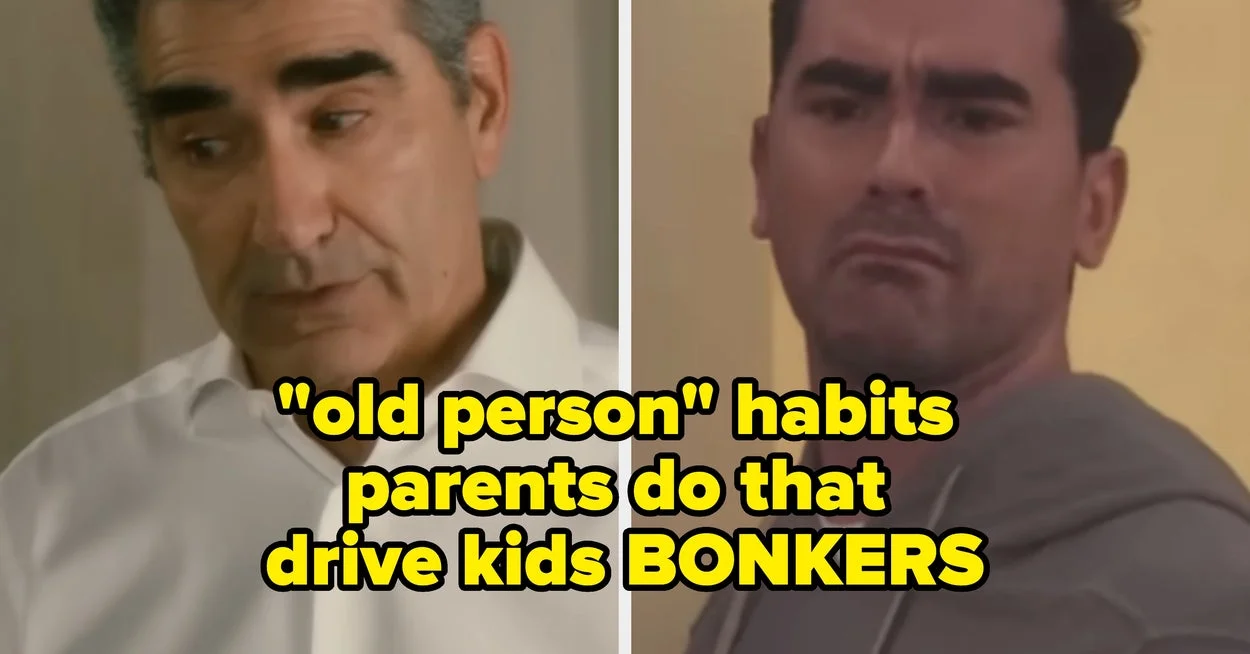
A BuzzFeed-style roundup compiles anecdotes from Reddit about the quirky, often tech-averse habits many parents exhibit—like clinging to landlines, blasting volume on the TV instead of using mute, speaking on speakerphone in public, still printing maps, or treating every device as “the machine”—highlighting the generational gap and the humor in everyday family life.
A mother and father, Annabell Porcayo and Jaime Lopez, were arrested in Los Angeles in connection with the death of their 14-month-old child, with the investigation ongoing and the cause of death not yet determined.
The article offers strategies for parents to reduce their children's screen time in 2026, emphasizing open conversations, setting consistent rules, coaching through challenges, and promoting real-world activities to foster stronger relationships and healthier habits.
A woman discusses her parents' disapproval of her long-term live-in boyfriend, a puppeteer, and her concern about resenting their attitude as they warm up to his lucrative career.
The article explores the complex and emotional journey of parents with children diagnosed with autism, highlighting the challenges in understanding the condition, the role of genetics, and the limited definitive answers available from medical professionals.
To reduce children's screen time, parents should model moderation by managing their own device use, establish device-free zones and times, and communicate openly about technology use, fostering healthier habits and stronger family connections.
Parents are rushing to use leucovorin, an old drug promoted by President Trump for autism, despite limited scientific evidence, leading to concerns among medical professionals about unproven treatments and safety.
Ben Stiller's documentary 'Nothing Is Lost' is a heartfelt and honest tribute to his parents, Jerry Stiller and Anne Meara, exploring their successful comedy career, family life, and personal struggles, while also reflecting on his own life and family dynamics. The film uses archival material and interviews to paint a loving, revealing portrait of a remarkable showbiz family, blending humor and emotion in a family-centered story.