Tag

Vaginal Microbiome

All articles tagged with #vaginal microbiome

Biohacker Bryan Johnson touts girlfriend’s vaginal microbiome as elite
health1 month ago

Biohacker Bryan Johnson touts girlfriend’s vaginal microbiome as elite

Biohacker Bryan Johnson publicly praised his girlfriend Kate Tolo’s vaginal microbiome, claiming her sample is 98.7% Lactobacillus crispatus and in the top 1% of vaginas, linking it to lower infection risks and better IVF outcomes; Tolo acknowledged the post and warned that oral sex carries risks, while the public reveal drew mixed reactions and underscored Johnson’s habit of sharing intimate health details publicly.

"Probiotic Pill: A Solution for UTIs and Vaginal Itchiness"
health2 years ago

"Probiotic Pill: A Solution for UTIs and Vaginal Itchiness"

The delicate balance of good and bad bacteria in the vaginal microbiome can be disrupted by antibiotics, hormonal changes, and other factors, leading to urinary tract infections (UTIs) and conditions like thrush and bacterial vaginosis (BV). Taking probiotics specifically designed for the vagina, along with dietary and lifestyle changes, may help restore this balance and alleviate symptoms for some women, although more research is needed to fully understand the effectiveness of vaginal probiotics. Maintaining a healthy vaginal microbiome through proper hygiene, diet, and avoiding certain practices may also reduce the risk of imbalance and associated infections.

The Link Between Vaginal Bacteria and Pregnancy Complications
health2 years ago

The Link Between Vaginal Bacteria and Pregnancy Complications

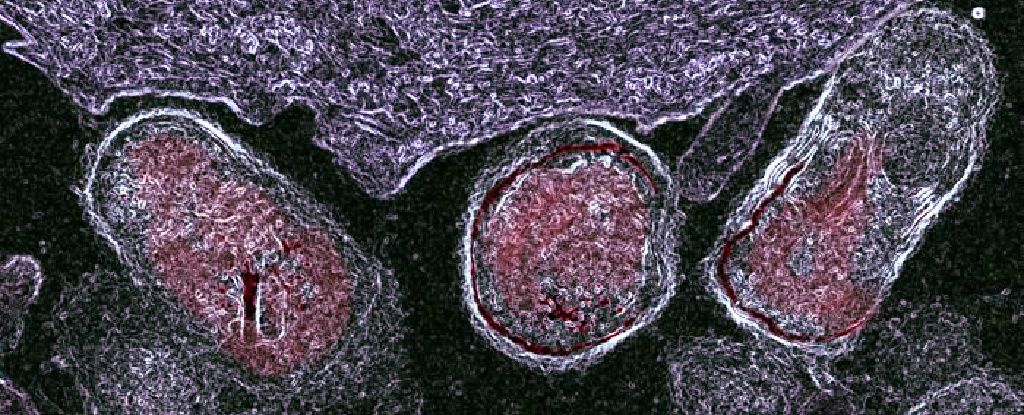
A new study has shed light on the link between bacterial vaginosis and pregnancy complications. Researchers have discovered that Gardnerella vaginalis, a dominant bacterium in bacterial vaginosis, secretes enzymes that break down sugar molecules on the surface of vaginal cells, potentially exposing individuals to infections and serious complications. The study suggests that these enzymes dismantle the vagina's protective coating, which may contribute to pregnancy loss, preterm birth, pelvic inflammatory disease, sexually transmitted infections, and infertility. Further research is needed to fully understand the cellular origins of these complications.