Tag

Bacteria

All articles tagged with #bacteria

Single-Dose Frog-Derived Bacterium Trims Tumors Completely in Mice
science14 hours ago

Single-Dose Frog-Derived Bacterium Trims Tumors Completely in Mice

A bacterium isolated from frog gut, Ewingella americana, was given intravenously to mice with colorectal cancer and achieved a 100% complete tumor remission by both directly killing cancer cells and activating an anti-tumor immune response, outperforming some conventional therapies in this model; the bacterium selectively accumulates in tumors, clears rapidly from the bloodstream, and shows no lasting toxicity to healthy organs, suggesting a novel biodiversity-derived approach with potential for other cancers.

Fungal-bacterial duet worsens infections, study finds
science1 day ago

Fungal-bacterial duet worsens infections, study finds

A new study shows that the common fungus Candida albicans and the bacterium Enterococcus faecalis can join forces to cause far more severe tissue damage than either microbe alone. The damage hinges on a toxin called cytolysin and close physical contact between the microbes, with the outcome depending on specific bacterial strains. The findings suggest mixed infections are not just cohabitation but coordinated attacks, potentially guiding more precise diagnosis and targeted treatments.

Engineered Bacteria Poised to Infiltrate and Eat Tumors From Inside
science2 days ago

Engineered Bacteria Poised to Infiltrate and Eat Tumors From Inside

Researchers at the University of Waterloo are developing engineered Clostridium sporogenes that can colonize the oxygen-poor core of solid tumors and survive near the tumor’s outer layers by a quorum-sensing–controlled oxygen-tolerance gene, enabling tumor consumption from inside with GFP-based validation and plans for preclinical tumor testing.

Kimchi bacteria may help flush nanoplastics from the gut
science12 days ago

Kimchi bacteria may help flush nanoplastics from the gut

Scientists identified a kimchi-derived bacterium that can bind nanoplastics in a gut-like environment, capturing about 57% of particles versus 3% for a comparison strain and about 87% binding before digestion. In germ-free mice, those given the kimchi bacterium excreted more nanoplastics in feces, suggesting the gut could serve as an initial barrier to plastic exposure. The finding is promising but preliminary—human relevance remains unproven, and longer studies plus human trials are needed; next steps include screening other fermented foods for stronger binders and pursuing clinical testing.

Earbuds and Ear Health: How to Prevent Infections While Listening
health1 month ago

Earbuds and Ear Health: How to Prevent Infections While Listening

Wearing headphones, especially in-ear earbuds, can block the ear canal and trap heat and moisture, raising the risk of ear infections. New studies link enhanced infection risk to headphone use (and sharing) and show that extended blockage alters ear microbiomes; when sweating or exercising, risks rise. To protect ears, take breaks to let canals breathe, consider bone-conduction options, and clean devices regularly per manufacturer guidance. Avoid using headphones when sick, and seek medical advice if you notice itching, redness, or discharge.

AI uncovers predictable patterns in bacterial evolution
science1 month ago

AI uncovers predictable patterns in bacterial evolution

Researchers analyzed thousands of E. coli genomes and trained a random-forest model to predict whether accessory genes appear based on other genes in the genome. They found reliable predictability for a substantial portion of the accessory genome, with some gene families co‑occurring and others mutually exclusive, suggesting structured evolutionary dynamics beyond random mutation. The work, led by James McInerney, Alan Beavan, and Maria Rosa Domingo-Sananes, has implications for diagnostics, antibiotic resistance surveillance, and the design of genetic constructs, though not all genes are predictable; the full study was published in Proceedings of the National Academy of Sciences (PNAS).

Inside-Out Attack: Engineered Bacteria Target Tumors
science1 month ago

Inside-Out Attack: Engineered Bacteria Target Tumors

University of Waterloo scientists are engineering Clostridium sporogenes to colonize the oxygen-free centers of tumors and consume nutrients, effectively eating tumors from the inside out. By adding an oxygen-tolerance gene from a related bacterium, they hope the bacteria can survive near the tumor exterior, while a quorum-sensing system activates the gene only when enough bacteria are present, preventing growth in oxygen-rich areas such as the bloodstream. The team plans pre-clinical trials testing this approach, though substantial work remains before any clinical use.

Engineered Bacteria Eat Tumors from the Inside
science1 month ago

Engineered Bacteria Eat Tumors from the Inside

Researchers at the University of Waterloo engineered the soil bacterium Clostridium sporogenes to colonize oxygen-poor solid tumors and consume nutrients, effectively attacking tumors from within. They added oxygen-tolerance tweaks and quorum-sensing controls, plus a fluorescent signal, to signal successful tumor disruption. While promising, the approach is still in preclinical stages with the goal of combining traits into a single bacterium for upcoming preclinical testing in humans.

Bacteria Inside Kidney Stones Rewrite How Stones Form
science2 months ago

Bacteria Inside Kidney Stones Rewrite How Stones Form

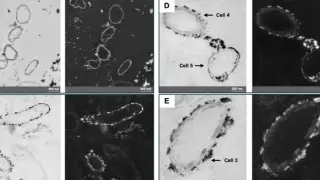
A UCLA-led study finds calcium oxalate kidney stones harbor bacteria and even internal biofilm, suggesting microbes may contribute to stone formation rather than stones forming purely by chemistry. This challenges the view that stones are noninfectious and implies infections in the kidney, ureter, or bladder could drive recurrence; targeting the microbial environment may reduce future stones. Findings come from electron and fluorescence microscopy of human stones and were published in PNAS (2026).

Toilet Plumes Meet Your Toothbrush: What Actually Reduces Microbes
health2 months ago

Toilet Plumes Meet Your Toothbrush: What Actually Reduces Microbes

Flushing toilets creates toilet plumes that spread aerosols in the bathroom, and toothbrushes can collect these droplets and harbor biofilms. Studies show common brushes in communal bathrooms carry fecal bacteria, though oral microbes from the user can outcompete some contaminants; closing the lid doesn’t fully prevent spread and covers can trap moisture, promoting other pathogens. The recommended defenses are chemical disinfection or soaking, regular toothbrush replacement, and keeping brushes far from the toilet (ideally in a drying cabinet). Upgrading to vacuum toilets would help, but for now the goal is reducing cross-contamination rather than achieving sterility.

Angry Orange Enzyme Stain Removers Recalled Over Bacteria Risk
business2 months ago

Angry Orange Enzyme Stain Removers Recalled Over Bacteria Risk

Thrasio is recalling Angry Orange Enzyme Stain Removers after detecting potential bacterial contamination, including Pseudomonas aeruginosa. About 1.5 million units in the U.S. (roughly 43,700 in Canada) sold from 2019–2025 are affected. Consumers should stop using the recalled products and obtain a full refund by emailing a photo of the product marked with “recalled” and their initials; dispose of the product in household trash without emptying it. No injuries have been reported. The products were sold at major retailers and online. Recall date: January 22, 2026.

ISS-evolved phages gain edge against Earth bacteria
science2 months ago

ISS-evolved phages gain edge against Earth bacteria

Researchers comparing E. coli infected with the T7 phage aboard the International Space Station to Earth controls found microgravity altered infection dynamics and drove space-exposed bacteria and phages to accumulate distinct mutations. The ISS-evolved phages developed changes in receptor-binding proteins that improved their ability to infect bacteria, and when tested back on Earth they showed increased activity against common urinary tract infection–causing E. coli strains, suggesting space conditions could inform future phage therapies despite practical costs.