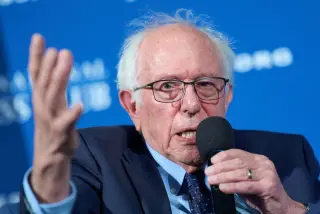
Sen. Bernie Sanders introduced legislation to give the public a stake in major AI companies, proposing an annual $1,000 payout to Americans as a way to democratize the gains from AI development and spread AI wealth.
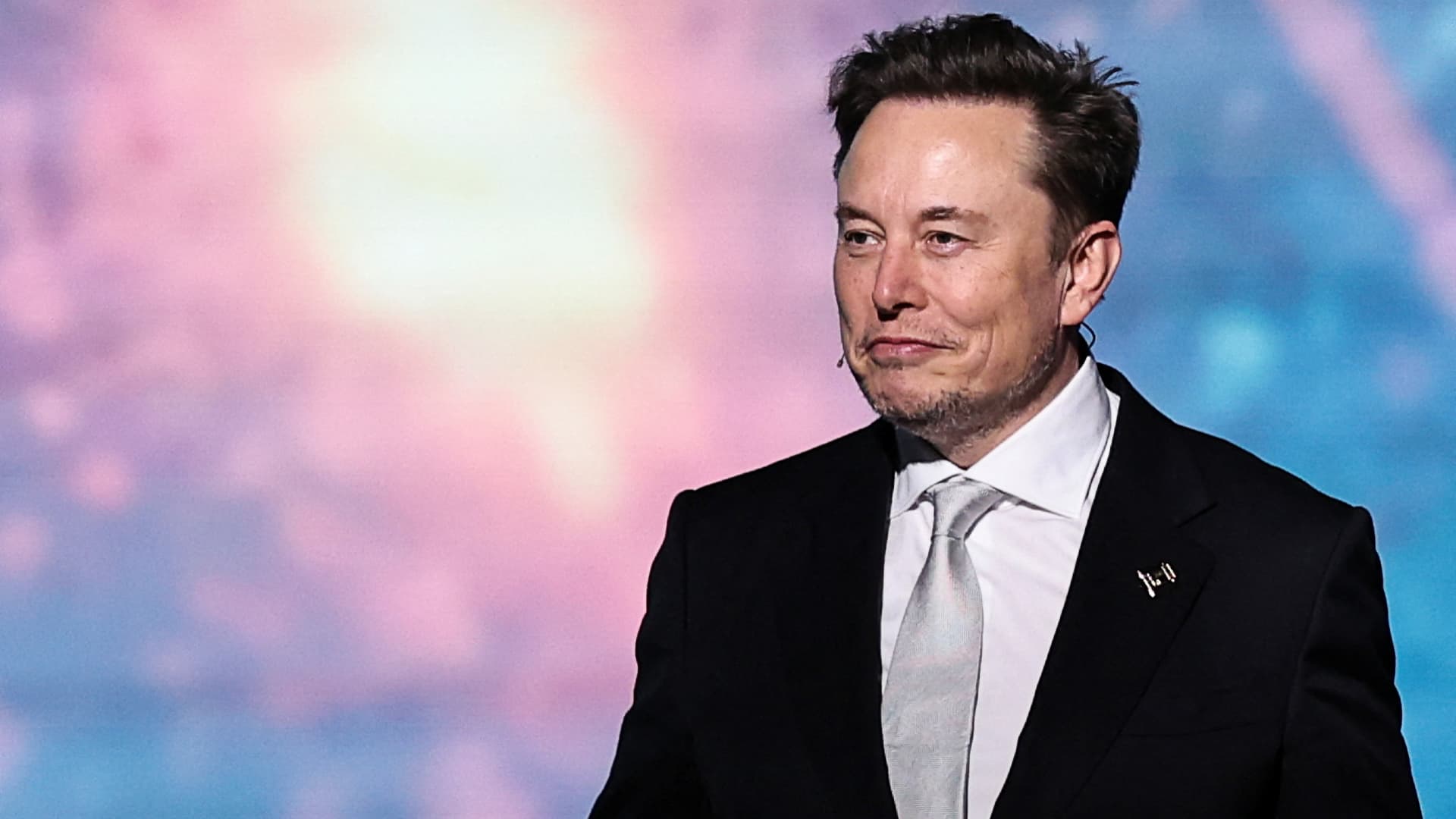
Norway's $2 trillion sovereign wealth fund, Norges Bank Investment Management, plans to vote against Elon Musk's nearly $1 trillion pay package at Tesla, citing concerns over the size and risks of the compensation, despite Musk's threats to step down if rejected. The fund, a major Tesla shareholder, has previously opposed Musk's pay deals, reflecting ongoing tensions over executive compensation.
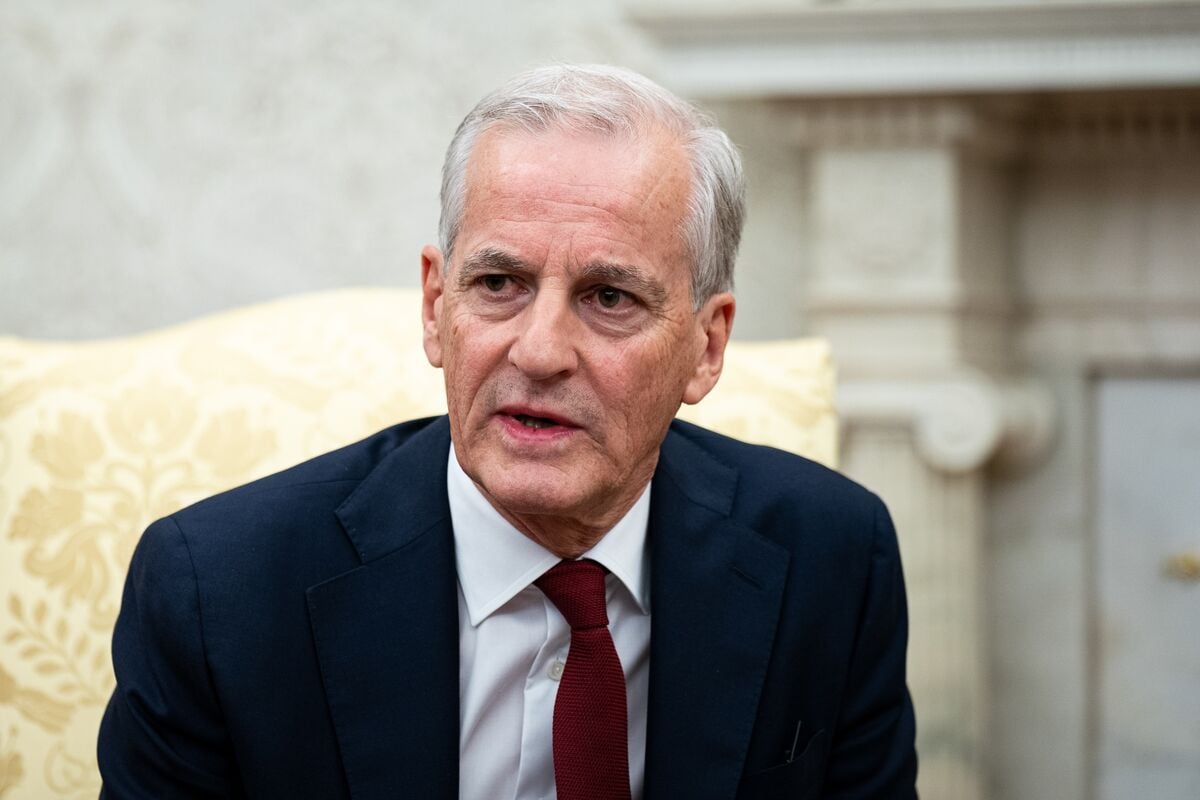
Norway's Prime Minister responded to US Senator Lindsey Graham's criticism of the country's $2 trillion sovereign wealth fund over its divestment from Caterpillar, clarifying that the decision was not political and highlighting the fund's ethical guidelines amid tensions related to Israel and Gaza.
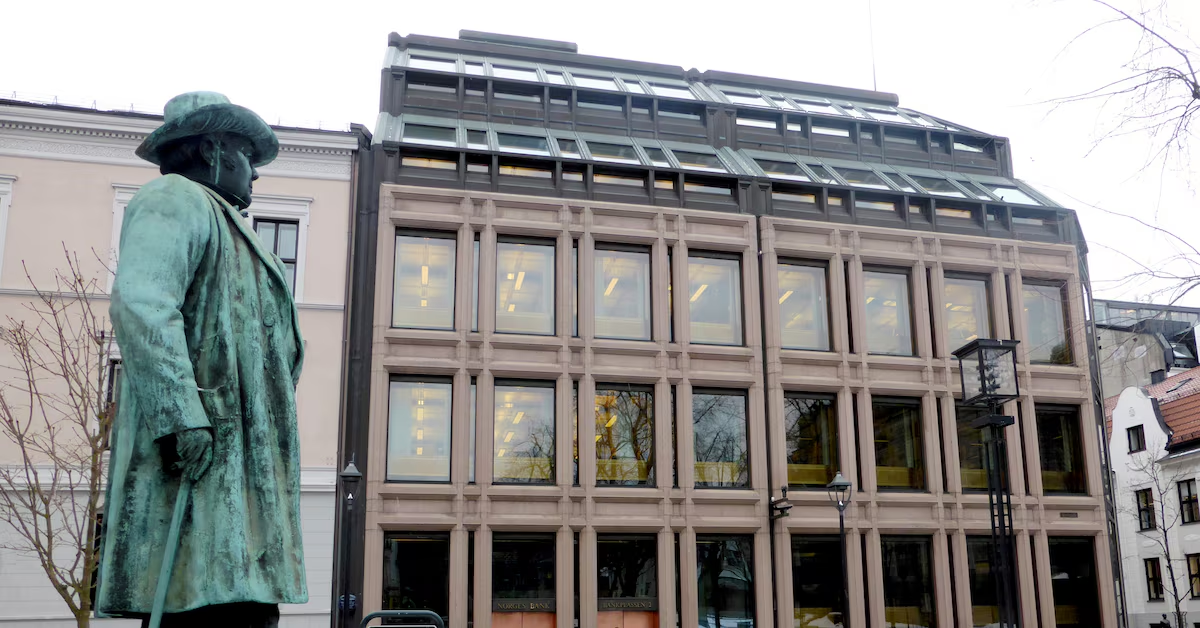
Norway's sovereign wealth fund, the world's largest single stock market investor, reported a profit of $143 billion in the first half of the year, driven by strong equity markets and a weak currency. The fund's equity investments returned 13.7%, with technology companies delivering the strongest return of 38.6% due to high demand for artificial intelligence solutions. However, the overall return was slightly lower than the benchmark index. The $1.4 trillion fund, which invests the country's oil and gas revenues, owns 1.5% of all listed stocks globally and also invests in bonds, real estate, and renewable energy projects.
Saudi Arabia's $620 billion sovereign wealth fund has invested in venture capital firms that are friendly towards cryptocurrencies. The Public Investment Fund (PIF) has backed Andreessen Horowitz, Ribbit Capital, and Accel, among others, which have invested in crypto-related startups. The move signals the PIF's interest in the potential of digital assets and its willingness to invest in the sector.