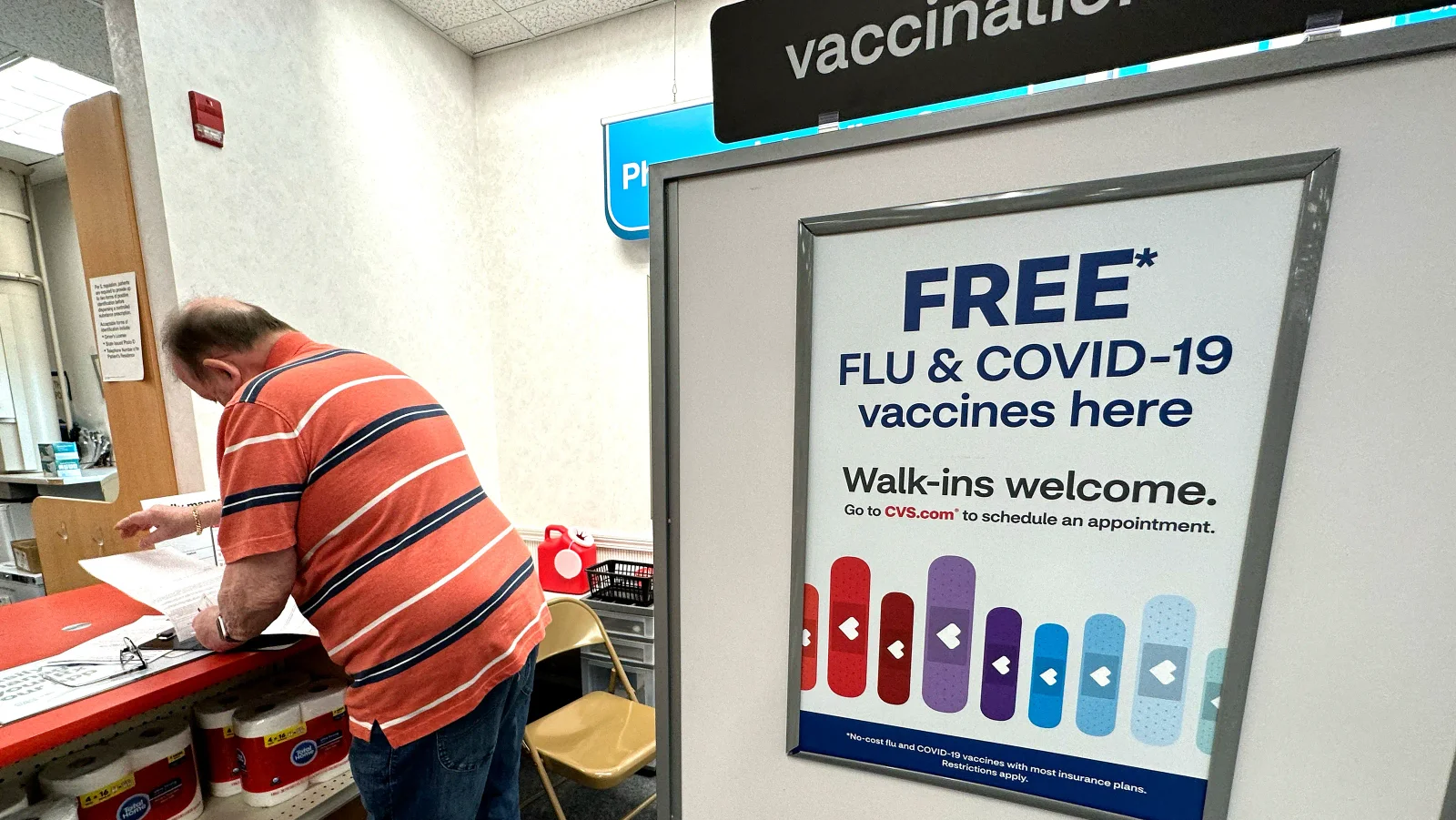
During winter, the most common viruses doctors are seeing include the flu, COVID-19, RSV, and the common cold, with flu being the most prevalent. Vaccinations, good hygiene, and staying home when sick are key to prevention.
Flu cases in the U.S. are rising due to a new H3N2 strain, which may reduce vaccine effectiveness, especially affecting older adults. Despite the surge, health officials believe vaccines still offer protection against severe illness, and winter conditions facilitate the spread of respiratory viruses. Vaccination remains crucial, even with the new strain, to reduce hospitalizations and severity of symptoms.
Flu cases in the U.S. are rising due to a new H3N2 strain, which may reduce vaccine effectiveness, especially affecting older adults. Despite concerns, health officials believe vaccines still offer protection against severe illness. The flu season is not yet at its peak, but hospitalizations and deaths are increasing, with the Northeast experiencing a significant surge. Winter conditions facilitate the spread of airborne viruses, and vaccination remains crucial to reduce severity and hospitalizations. COVID-19 levels are lower than during peak summer waves, but vigilance is still advised.