Forecasting this winter's flu season is uncertain, but doctors say vaccination remains the best protection against both flu and COVID-19. Last year's severe season was driven by a mutated H3N2 variant (subclade K); experts anticipate continued circulation this winter with higher risk for vulnerable groups.
A University of Vermont lab found that the Rab11B protein is essential for H3N2 influenza to enter human lung cells, challenging the idea that sialic acid is the universal entry point and suggesting new antiviral targets as H3N2 relies on Rab11B while H1N1 does not.
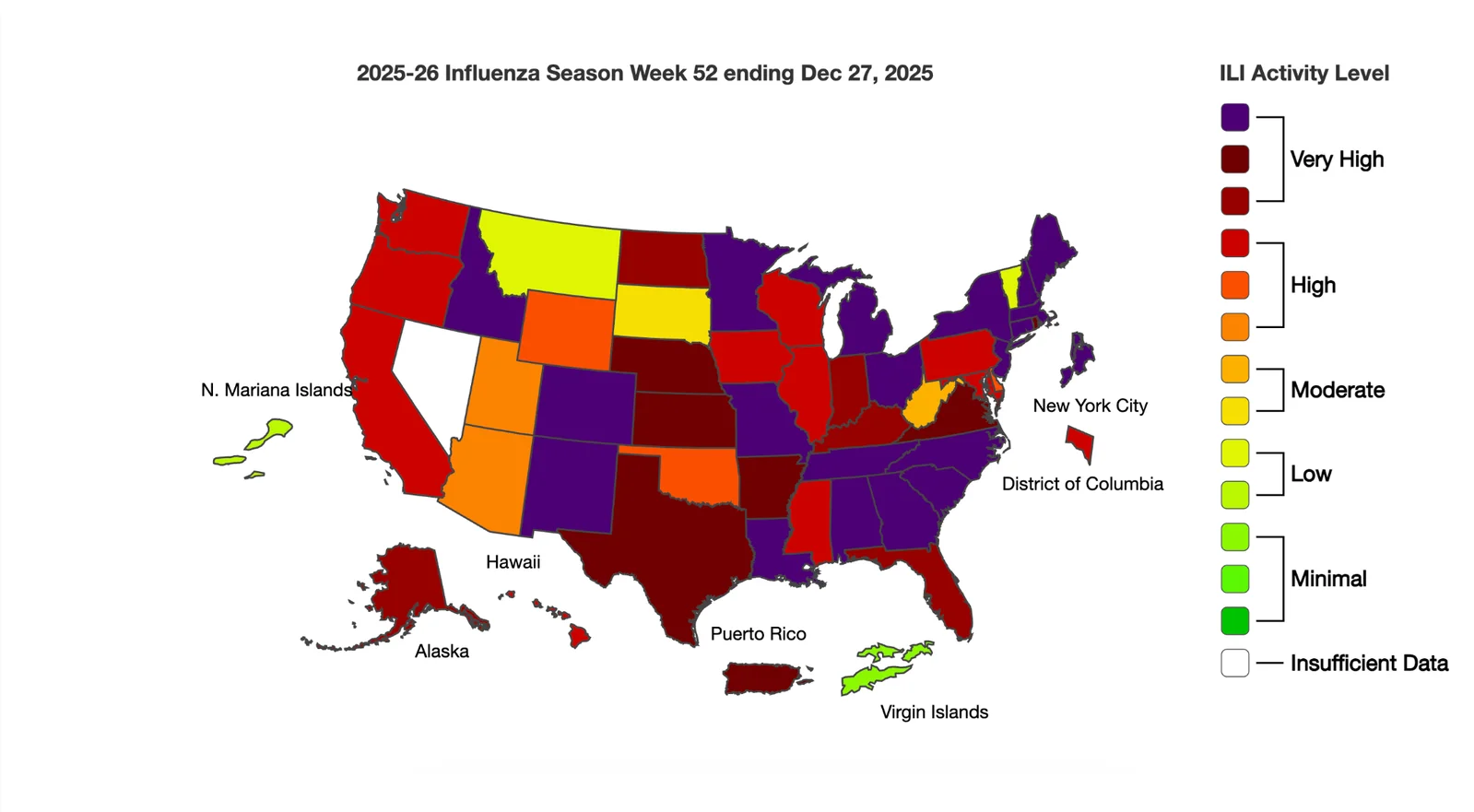
This season’s U.S. flu vaccine performed poorly because a newly dominant H3N2 subclade (K) wasn’t well matched to the vaccine, leading to one of the lowest effectiveness rates in years (about 25%–30% in preventing illness severe enough to seek care; around 40% less likely for vaccinated children to need treatment). The winter surge was sharp (NYC called it the strongest in 20 years) with 16 states at times reporting high activity. CDC estimates roughly 27 million illnesses, 350,000 hospitalizations, and 22,000 deaths so far; about 101 pediatric deaths have occurred, most among unvaccinated or not-fully-vaccinated individuals. Adult vaccination is about 46.5%, and roughly 48% of kids were vaccinated as the season waned. Health officials say vaccines still curb severe illness and death, and WHO/FDA have advised updates to target subclade K for the next season.
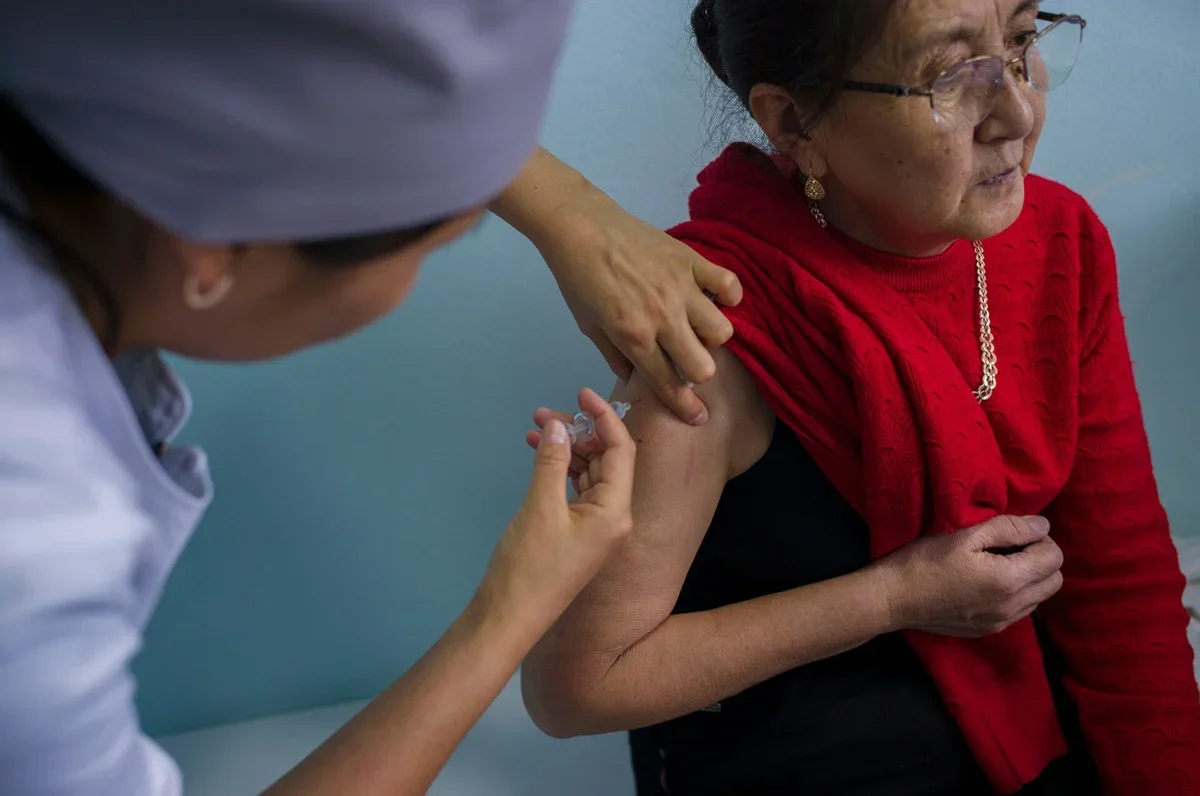
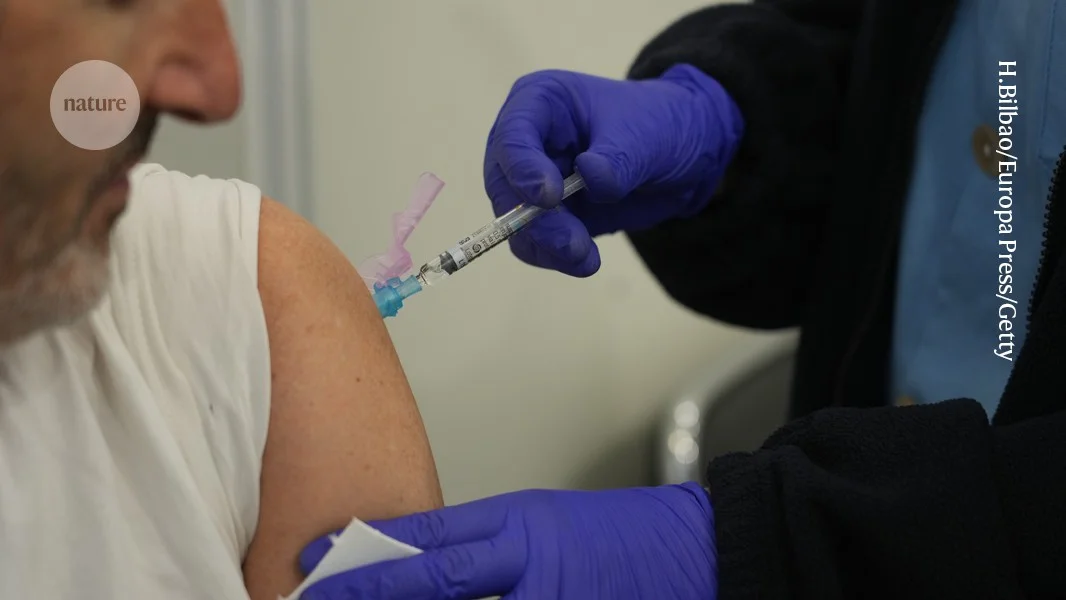
CDC data show this season’s flu vaccine was about 25%–30% effective at preventing illness requiring medical care for adults and roughly 40% for vaccinated children, due mainly to a newly dominant H3N2 subclade not well matched by the vaccine. An estimated 27 million illnesses, 350,000 hospitalizations and 22,000 deaths have occurred; adult vaccination is about 46.5% and around 48% of kids have been vaccinated. Vaccination remains worthwhile to reduce severe illness, and next season’s vaccines will be updated to address the subclade.
WHO recommends the 2026–27 northern hemisphere flu vaccines with updated strains: egg-based vaccines should contain A/Missouri/11/2025 (H1N1)pdm09-like, A/Darwin/1454/2025 (H3N2)-like, and B/Tokyo/EIS13-175/2025 (B/Victoria lineage)-like; cell culture-, recombinant protein-, or nucleic acid-based vaccines should include A/Missouri/11/2025 (H1N1)pdm09-like, A/Darwin/1415/2025 (H3N2)-like, and B/Pennsylvania/14/2025 (B/Victoria lineage)-like. The review also addresses animal (zoonotic) influenza threats, notes 25 human infections since Sept 2025 with no human-to-human transmission, and calls for developing a new CVV for A(H9N2).
The Wyoming Department of Health announced the death of a Fremont County child from influenza, part of a season dominated by the H3N2 strain; officials say flu can be serious, encourage annual vaccination, and outline preventive measures and antiviral treatment, noting nationwide pediatric deaths and that most affected children were not up to date on vaccines.
A Fremont County child has died from flu-related complications in the 2025-2026 season as the H3N2 strain dominates. Nationwide, 52 pediatric flu deaths have been reported, with about 90% of the children not up to date on flu vaccination. Health officials urge updated vaccination, staying home when ill, covering coughs, and handwashing; antiviral meds are recommended for higher-risk groups when started quickly, and flu shots remain widely available.
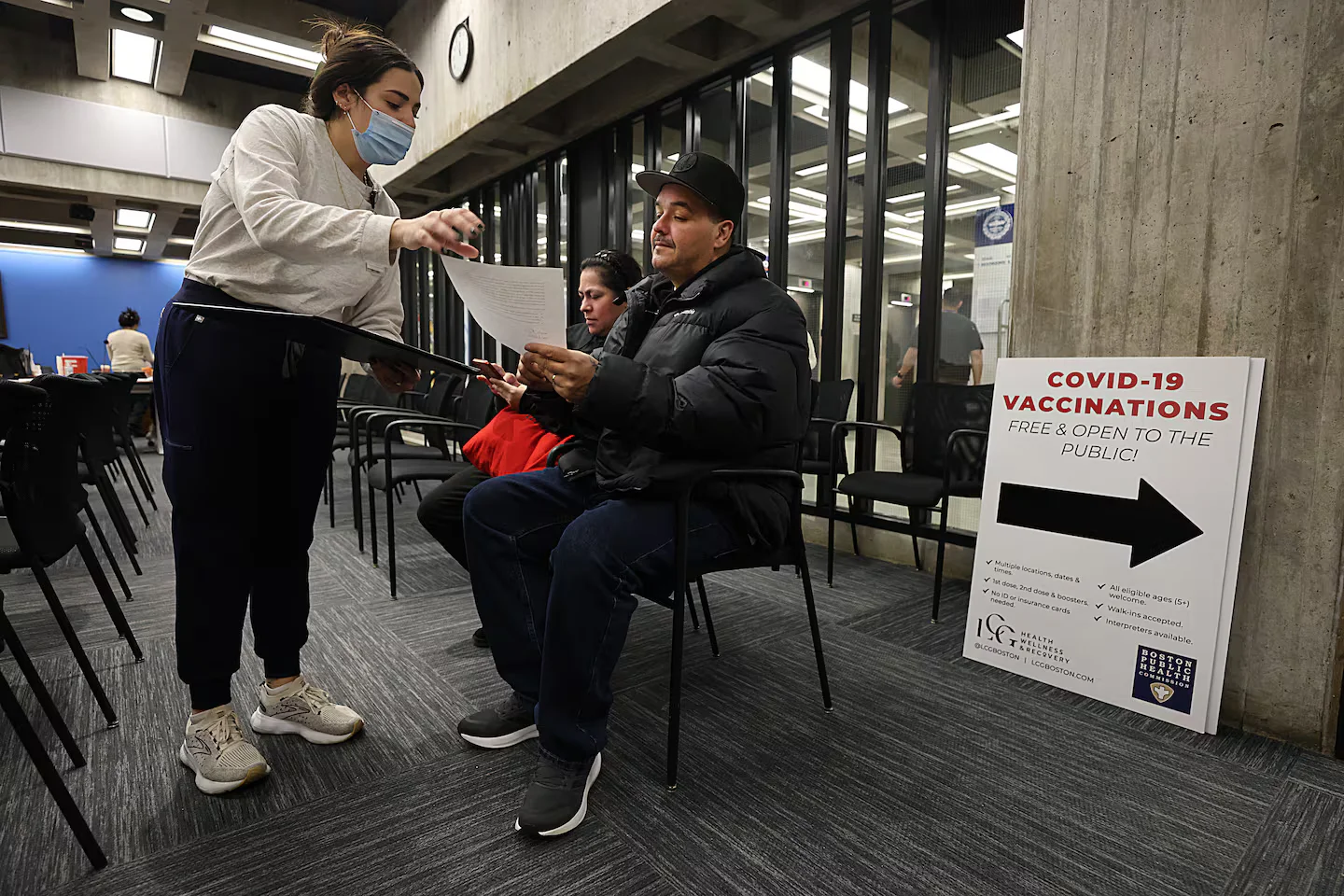
Massachusetts health officials report a fifth pediatric death linked to influenza this season, with two deaths in the week of Dec. 21 and two more in the week of Dec. 28–Jan. 3; the fifth death is included in data through Jan. 10. Two of the children were under 2 and in Boston, the city’s first pediatric flu deaths since 2013. Adult flu deaths in MA total 107 for the season, with 45 in the Dec. 28–Jan. 3 week. Nationally, 32 children have died from flu this year, with about 18 million illnesses and 230,000 hospitalizations; the season is driven by the H3N2 strain, of which roughly 90% are a new variant not matched by this year’s vaccine. In MA, 470 flu-related deaths have occurred this season, up from 251 last season, as officials continue to urge vaccination.
CDC data show an 18% drop in confirmed flu cases and fewer hospitalizations, yet 32 pediatric flu deaths have occurred this season (15 more in the week ending Jan. 10). The season is driven by a mutated H3N2 subclade K, which has diverged from this year’s vaccine, though the shot remains protective against severe illness and hospitalization. About 90% of pediatric deaths have been in unvaccinated kids, and there are state-by-state differences with some areas peaking later and schools still dealing with flu and other winter illnesses. While nationwide trends are downward, experts caution that the worst may not be over and vaccination remains an important tool, even as CDC guidance recently shifted away from universal vaccination for all children.)
California health officials warn that a newly emerged influenza A H3N2 subclade K is driving elevated flu activity and hospitalizations statewide, with Los Angeles County reporting 162 flu-related hospitalizations and 18 ICU admissions since late 2025. The season has been among the worst in U.S. history, with the CDC estimating about 15 million infections, 180,000 hospitalizations and 7,400 deaths nationwide, including pediatric deaths in California. Experts say the strain may partly evade immunity, but vaccines still reduce severe illness and hospitalization; officials urge vaccination and early antiviral treatment for high-risk populations to blunt severe outcomes.
Kanawha County's Chief Health Officer says this year's H3N2 flu strain has been unusually severe, with widespread aches, fever, stomach pain and nausea, and has led to school disruptions in Wetzel County and a pediatric death in Ohio. While the vaccine's effectiveness is down against the new strain, health experts still urge vaccination to reduce illness duration and hospitalizations, especially for the elderly.
A highly mutated H3N2 influenza variant, subclade K, has risen to global dominance, contributing to a worse-than-average flu season as the circulating strain differs from the vaccine, while immunity from past infections wanes. Vaccines may still protect against severe disease, but the season started earlier and cases are surging in multiple countries, straining healthcare systems.
A fast-spreading H3N2 influenza A variant is driving a surge in emergency department visits and hospitalizations across Western Washington, with 10 flu-related deaths in King County; vaccination rates are about 31%, but shots remain the best protection against severe illness, as officials urge vaccination and preventive measures through the winter peak.
Massachusetts still faces a brutal flu season even as flu-like illness dipping slightly (from just over 12% to just under 11%) keeps New England in a ‘very high’ activity range. A total of 66 deaths have occurred, including four children. The dominant influenza A H3N2 subclade K may partly evade antibodies, vaccination rates are around 35% in MA, and hospitals report heavy influenza-related visits (UMass Memorial logged about 2,615 cases since Oct). Officials warn another wave could follow, potentially with influenza B, and emphasize prevention and early antiviral treatment, especially for young children and older adults.
A new flu strain called 'Super-K' or subclade-K, a drifted version of H3N2, is spreading unusually in Australia outside the typical flu season, potentially increasing healthcare pressure. While not more severe, it is more transmissible and slightly less responsive to vaccines, prompting updates to the 2026 flu vaccine. Experts recommend vaccination and preventive measures to reduce infection risk.