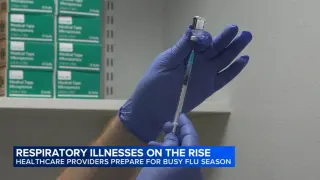
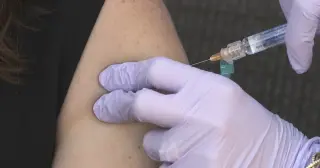
As respiratory virus season begins, flu, COVID-19, and RSV vaccines are available. Due to changes in the CDC's advisory committee, independent medical groups issued 2026-27 recommendations. Early flu activity is rising in the West, and insurers are covering these shots.
Local doctors in the Chicago area report an uptick in common respiratory viruses as schools reopen and urge flu and COVID-19 vaccination ahead of fall. At the same time, outlets report a nationwide rise in measles — more than 3,400 cases this year, with nine confirmed in Tennessee — prompting renewed calls to check MMR status.
Doctors expect a busy fall/winter sick season with flu (A earlier, B later) spreading alongside COVID-19 and RSV, especially in indoor settings. Flu season typically runs from September/October through March/April, peaking in December–January, and national activity is already slowly rising. The southern hemisphere had a typical season this year, offering limited reassurance. Vaccination remains crucial to reduce severe illness, though flu vaccination rates remain below the 70% target and in some groups have dropped since the pandemic.
Doctors say this fall and winter will likely bring a typical flu season that can extend from now through March or April, with flu A usually most common and a peak in December–January; the southern hemisphere’s season was average, offering mixed signals for the U.S. This comes after several harsh flu seasons in recent years, reinforcing that flu vaccination remains crucial to reducing severe illness, even if vaccines aren’t perfect. Beyond flu, RSV and COVID-19 are expected to circulate as people gather indoors in the colder months, and vaccination rates—particularly among children—remain below public-health targets.
Doctors expect a busy fall and winter with flu (early type A, later type B) leading illnesses, along with RSV and COVID-19 circulating. Vaccination remains crucial to prevent severe illness, and indoor gatherings in colder months typically boost spread. The season usually spans fall through spring, peaking in December–January.
Doctors anticipate a typical fall–winter sick season driven by flu (A early, B later) with additional impact from COVID-19 and RSV; vaccination remains the strongest protection, including RSV vaccines for infants and older adults, and antiviral options exist if you test positive. Indoor gatherings and limited ventilation raise transmission risk, so masking, hand hygiene, testing for flu and COVID, and avoiding crowds are advised. The southern hemisphere season was not unusually severe, offering cautious optimism for the coming months.
Pennsylvania doctors urge adults and children to get updated vaccines for flu, COVID-19 and RSV this fall and winter, citing guidance from pediatric and family-medicine groups even as the CDC’s seasonal recommendations were not updated this summer; vaccines are encouraged for all 6 months and older, with some groups needing extra doses, and protections for infants through maternal RSV vaccination and monoclonal antibodies are highlighted. Emphasis is also placed on timely flu vaccination (September–October) to reduce severe illness and hospitalizations amid ongoing measles outbreaks in the state.
As the school year starts, watch for common illnesses like colds and strep, monitor for breathing changes, seek early care if flu or COVID-19 is suspected to get antivirals within the recommended windows, and be alert for measles symptoms (rash with respiratory signs) while reinforcing handwashing and keeping sick kids home.
With federal guidance unclear, Dr. Leana S. Wen explains fall vaccine basics—who should get the flu, COVID-19, and RSV shots, how safe they are, and how to navigate the rollout.
Illinois issued fall vaccine guidance: flu vaccine for everyone 6 months and older; COVID-19 vaccine for adults 19+ and for children 6 months–23 months in defined groups or pregnancy; RSV vaccine for adults 75+, 50–74 at higher risk, late-pregnancy pregnant people, all infants under 8 months whose mothers weren’t vaccinated, and at-risk children 8–19 months. The guidance, based on the state Immunization Advisory Committee, aims to fill gaps left by a federal advisory committee not meeting this year amid litigation and policy changes, aligning with major medical groups and emphasizing evidence-based public health.
With the CDC’s vaccine guidance stalled by a lawsuit, four major physician groups released a practical plan for the 2026–27 season: adults 50–64 should get the annual flu shot (Sept–Oct) and the updated COVID vaccine (one dose), plus RSV if they have a chronic condition and the shingles and pneumococcal vaccines; adults 65–74 should upgrade to the enhanced flu vaccine and plan two COVID doses six months apart, with RSV based on risk; adults 75+ should get RSV universally in addition to the above; vaccines can be given together; Medicare covers flu, COVID and pneumococcal vaccines with no copay (shingles and RSV under Part D), and private insurers generally cover vaccines with no cost-sharing through 2027; if a pharmacy won’t vaccinate, ask for a prescription or standing order.
Fall vaccine season brings updated flu vaccines aimed at the H3N2 subclade K and a new mRNA option (mFLUSIVA) for 50+; three updated COVID vaccines from Moderna, Novavax-Sanofi, and Pfizer-BioNTech target the XFG (Stratus) variant. Health experts urge getting the flu shot by late October (flu season runs Oct–May with peak in winter) and COVID vaccines for eligible individuals, with vaccines available at Michigan pharmacies and clinics.
Arizona's Department of Health Services and the Arizona Board of Pharmacy issued standing orders allowing qualified pharmacists and health care providers to administer flu and COVID vaccines without waiting for updated federal guidance, aiming to improve access during the upcoming respiratory season; with ACIP meetings not until late October, participation is voluntary for pharmacies and coverage may vary, and the state will adjust guidance if federal recommendations change.
Despite governance turmoil around vaccine advisory panels, the 2026–27 fall vaccination rollout is expected to proceed largely normally: updated flu and COVID-19 shots have been approved and are arriving at pharmacies, and major insurers have committed to covering vaccines through 2027. Medical groups reaffirm broad recommendations: flu vaccination for everyone 6 months and older (with a high-dose option for seniors and a nasal spray option for ages 2–49, not for pregnancy/immunocompromised), a new, potentially limited mRNA flu vaccine (mFlusiva) with uncertain coverage, and broad COVID-19 vaccination guidance (though federal recommendations are in limbo). RSV vaccines target adults 75+ and 50–74 at higher risk, with timing adjustments for maternal vaccination during pregnancy to protect newborns and monoclonal antibody protection for high-risk infants. Timing tips: aim for flu shots between late September and October, consider syncing COVID-19 vaccination with the flu shot or plan for November, and follow RSV timing for pregnancy (32–36 weeks) to maximize infant protection. State and local officials expect a generally smooth rollout.
In response to mixed political messaging about vaccines, leading medical groups (AAP, AAFP, ACOG, IDSA) with AMA-backed researchers released fall vaccination guidelines based on a broad review of evidence. They reiterate flu vaccination for everyone 6 months and older (with higher-dose options for those 65+), highlight flu’s role in reducing hospitalizations and infant mortality, and note pregnancy-associated protection for newborns. For COVID-19, updated vaccines are advised annually for most groups, with a shared-decision framework for some ages; older adults and those with conditions are prioritized. RSV guidance remains focused on high-risk groups, including a one-time vaccine during late pregnancy (32–36 weeks) and alternative monoclonal antibody strategies for unvaccinated infants, plus recommendations for at-risk adults 50–74 and those 75+. The guidelines aim to provide evidence-based, transparent recommendations amid evolving vaccine policies and changing CDC/FDA positions.