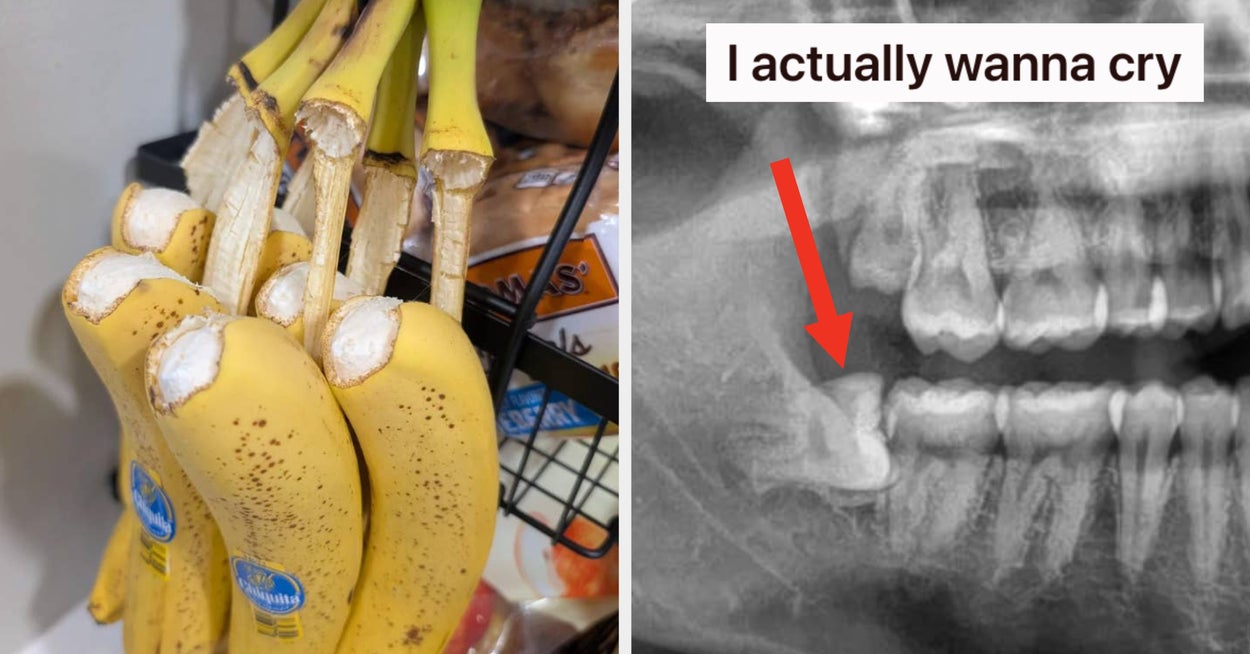
The article shares a personal account of wisdom teeth removal, highlighting the pain and challenges faced during the procedure and recovery, and emphasizing the severity of such dental disasters.
Scientists have discovered that wisdom teeth contain unique stem cells in their dental pulp that can potentially be used to regenerate bone, heart tissue, and neurons, offering promising avenues for regenerative medicine. These cells are easily accessible and pose fewer ethical concerns compared to other stem cell sources, making wisdom teeth a valuable resource for future medical treatments. However, further research is needed to fully understand and develop these applications.
Researchers have discovered that wisdom teeth contain valuable stem cells in their pulp, which can be used to treat various diseases such as Parkinson's, Alzheimer's, and heart failure. These cells are easy to harvest during routine extraction, pose minimal ethical concerns, and could revolutionize personalized regenerative therapies, making dental stem cell banking a promising medical resource.
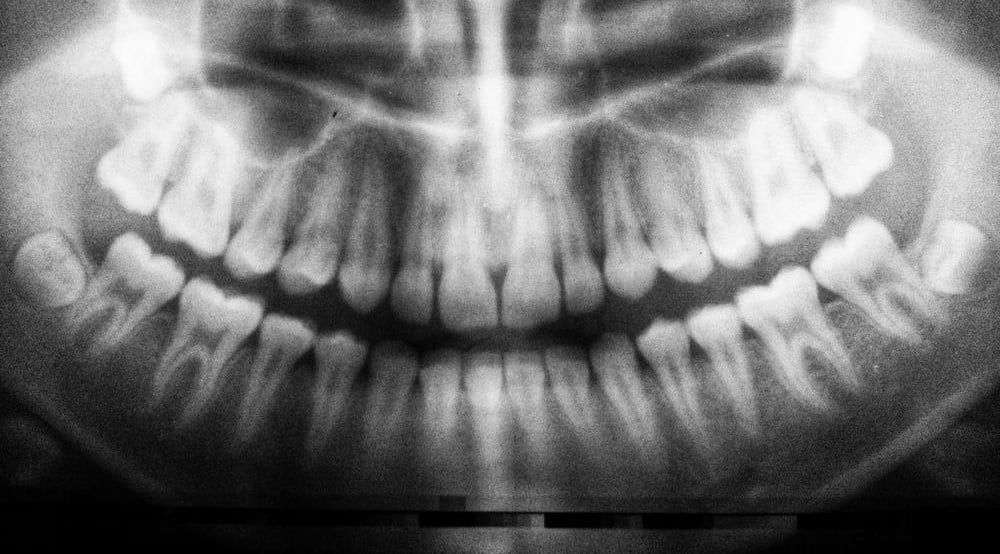
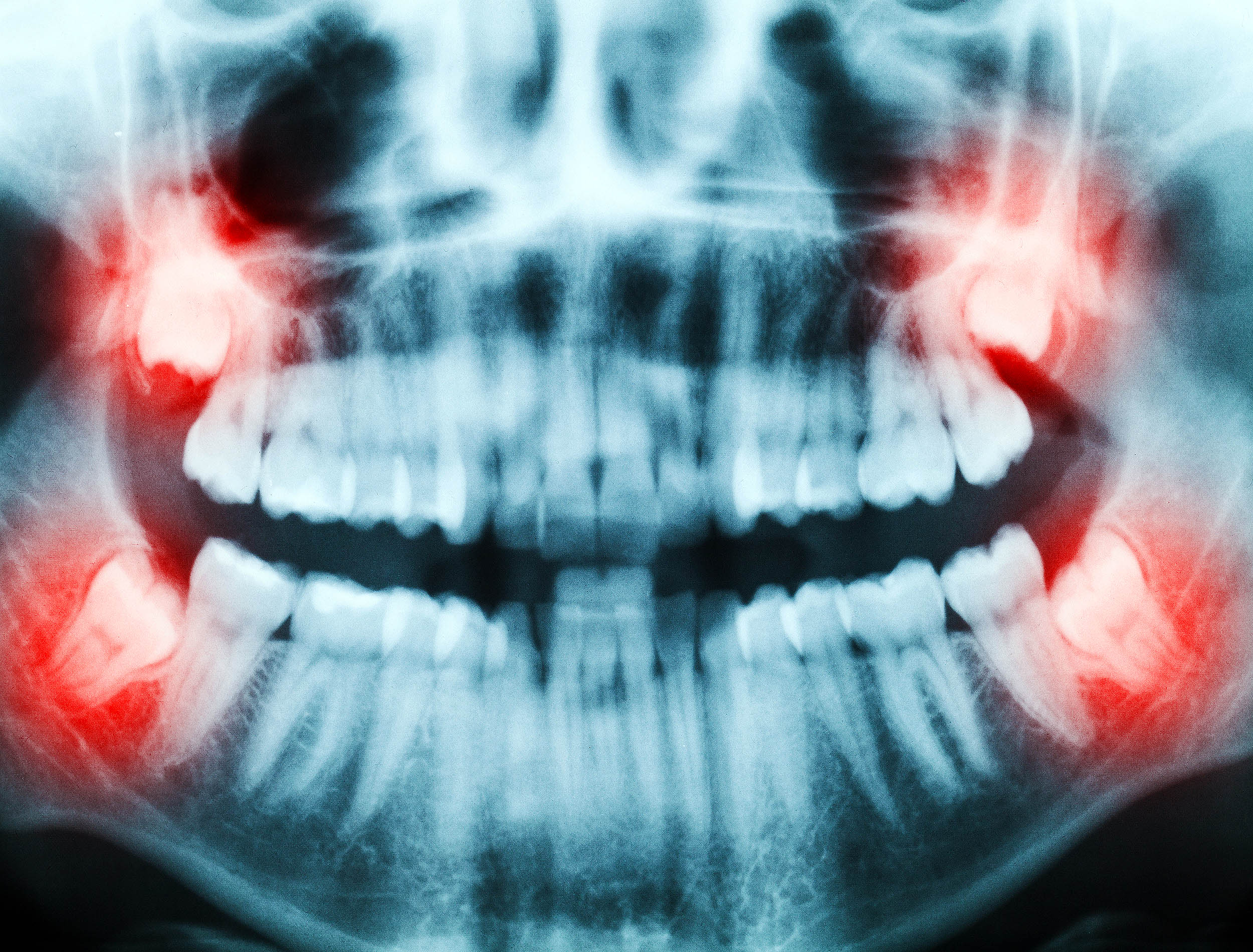
The debate over whether teenagers should have their wisdom teeth removed preemptively continues, with experts offering differing opinions. Proponents argue that early extraction is easier, safer, and results in quicker recovery, while opponents view it as unnecessary surgery. The decision should be based on clinical examination and X-rays, considering factors such as pain, tooth decay, inflammation, and damage to adjacent teeth. While there are no scientifically proven health benefits to removing asymptomatic wisdom teeth, some argue that problems may arise later in life. Vigilant monitoring and good oral care practices can help determine whether extraction is necessary.