Tag

Regenerative Medicine

All articles tagged with #regenerative medicine

A single RNA injection turns muscle into a heart-healing factory
science13 days ago

A single RNA injection turns muscle into a heart-healing factory

Columbia researchers engineered RNA-lipid nanoparticles that, when injected into skeletal muscle, make pro-ANP. This inactive molecule travels to the heart and is activated by the enzyme Corin to become active ANP, promoting blood vessel growth, reducing inflammation, and limiting scar tissue to help repair the heart after a heart attack. Using self-amplifying RNA, a single injection can sustain activity for about four weeks, improving heart function and reducing damage in multiple animal models, including delayed treatment scenarios. The approach avoids direct heart delivery, offering a potentially simpler therapy with plans for a phase‑one safety trial and potential applications to other organs.

Lab-grown esophagus in pigs restores swallowing, signaling pediatric repair prospects
biotechnology21 days ago

Lab-grown esophagus in pigs restores swallowing, signaling pediatric repair prospects

Scientists grew lab-made oesophagi from pig stem cells on scaffolds and implanted them into eight recipient pigs. Over two months the grafts developed into functional tissue with nerves, muscle, and blood vessels, and five pigs survived six months, regaining the ability to swallow. While some initial scar tissue affected swallowing, it diminished over time, suggesting a path toward treating conditions like long-gap oesophageal atresia in children or muscular damage in adults, though human trials are still future work.

Japan Grants World-First Approvals for iPS Cell–Based Therapies in Heart Failure and Parkinson’s
science25 days ago

Japan Grants World-First Approvals for iPS Cell–Based Therapies in Heart Failure and Parkinson’s

Japan approved two therapies derived from reprogrammed human iPS cells for heart failure and Parkinson’s disease, marking the first global use of iPS-derived cells in approved medical products. The treatments—one applied to the heart surface and the other injected into the brain—entered conditional, time-limited use requiring ongoing safety and effectiveness data after launch, reflecting Japan’s specialized regulatory and manufacturing infrastructure and the ongoing influence of Shinya Yamanaka in the field.

Japan Approves First iPS-Cell Therapies for Heart Failure and Parkinson’s
science26 days ago

Japan Approves First iPS-Cell Therapies for Heart Failure and Parkinson’s

Japan’s health ministry conditionally approved two therapies derived from reprogrammed iPS cells—ReHeart for severe heart failure and Amusepri for Parkinson’s—marking the first medical treatments of this kind and signaling a new era in regenerative medicine, though extended safety and efficacy data from more patients are still needed.

Japan Approves First iPS Cell–Based Regenerative Therapies for Heart and Parkinson’s
science26 days ago

Japan Approves First iPS Cell–Based Regenerative Therapies for Heart and Parkinson’s

Japan’s health ministry granted conditional, time‑limited approvals to two regenerative medicines derived from donor iPS cells—ReHeart for severe heart failure and Amusepri for Parkinson’s—marking the world’s first market authorizations for iPS‑cell–based therapies. Developed with Kyoto University and Osaka University collaborators, the products will be produced at the SMaRT facility in Suita and require post‑marketing safety and efficacy studies; insurance coverage will follow after regulatory steps. This milestone, tied to the 20th anniversary of mouse iPS cell creation, highlights Japan’s leadership in translating reprogrammed cells into clinical practice.

Lab Grows Functional Hair Follicles, Advancing Hair-Loss Treatments
science1 month ago

Lab Grows Functional Hair Follicles, Advancing Hair-Loss Treatments

Scientists have grown fully developed, functional hair follicles in the lab by adding a third cell type—accessory mesenchymal cells—alongside epithelial stem cells and dermal papilla cells. This three-cell recipe enables follicles to mature and cycle like natural hair, with potential implications for hair restoration and broader regenerative medicine, though translating the approach to humans remains a key challenge.

Injectable mini-livers aim to boost liver function without surgery, MIT study finds
technology1 month ago

Injectable mini-livers aim to boost liver function without surgery, MIT study finds

MIT researchers demonstrated injectable hydrogel microspheres carrying hepatocytes form stable, vascularized “mini livers” in mice that survive and secrete liver proteins for about eight weeks, offering a non-surgical alternative or bridge to transplantation with ultrasound-guided delivery and monitoring; future work includes reducing immune rejection and extending duration.

Molecular Switch Could Unlock Lungs' Self-Healing, Mayo Study Finds
science1 month ago

Molecular Switch Could Unlock Lungs' Self-Healing, Mayo Study Finds

Mayo Clinic researchers uncovered a molecular circuit that decides whether alveolar type 2 (AT2) lung cells repair tissue or defend against infection; a clamp-like regulator, C/EBPα, must be released after injury, with PRC2 and DLK1 timing the switch. The finding explains why infections slow lung healing and suggests regenerative therapies that modulate C/EBPα or reprogram AT2 cells, potentially enabling cell replacement. Published in Nature Communications (2025), the work also points to early-detection biomarkers and ties to Mayo's Precure and Genesis initiatives.

Blocking an Aging Enzyme Sparks Cartilage Regrowth Without Stem Cells
science2 months ago

Blocking an Aging Enzyme Sparks Cartilage Regrowth Without Stem Cells

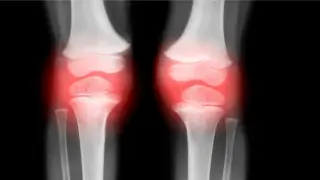
Scientists inhibited the aging-associated enzyme 15-PGDH in aged mice with cartilage damage, triggering regeneration of hyaline cartilage without stem cells and showing early repair signals in human cartilage samples; if these findings translate to humans, treatments for osteoarthritis could shift toward direct cartilage restoration rather than surgery, though safety and clinical trials are still needed.

DMTF1: A Molecular Switch to Rejuvenate Aging Brain Cells
science2 months ago

DMTF1: A Molecular Switch to Rejuvenate Aging Brain Cells

Researchers have identified the transcription factor DMTF1 as a key regulator that preserves neural stem cell activity in aging brains. In aging models with telomere damage, DMTF1 levels drop and neural stem cell regeneration declines; reactivating DMTF1 restores regenerative capacity and reveals its role in activating helper genes that open chromatin for growth-related genes. This suggests potential therapies to slow cognitive aging by boosting neural stem cell function, though most work so far is in vitro, with the long-term aim of developing small molecules to safely enhance DMTF1 without increasing brain tumor risk.

New Research Finds Regeneration in Human Heart Cells After Attack
science2 months ago

New Research Finds Regeneration in Human Heart Cells After Attack

Researchers analyzing living human heart tissue found that heart muscle cells can divide after a heart attack, indicating potential regeneration in humans. By examining tissue from a donor heart and bypass patients and using RNA sequencing, they identified conditions that promote cardiomyocyte division. While promising, the findings do not yet prevent scar formation or heart damage, but could guide future regenerative therapies, and were published in Circulation Research.

Dancing-molecule nanotherapy crosses the blood-brain barrier to repair stroke damage
science2 months ago

Dancing-molecule nanotherapy crosses the blood-brain barrier to repair stroke damage

Northwestern researchers have developed an injectable regenerative nanomaterial built from dynamic “dancing molecules” that can cross the blood-brain barrier after reperfusion in a mouse model of ischemic stroke. Delivered intravenously immediately after clot removal, the therapy reduced brain damage and inflammation without observed toxicity, suggesting it could complement clot-busting treatments. The approach relies on smaller peptide assemblies crossing the BBB before larger nanofibers form in brain tissue, and may have implications for traumatic brain injury and neurodegenerative diseases. Next steps include longer-term functional studies and exploring additional regenerative signals.