
entertainment-industry7 min read
2026 Star Power Shifts to YA Series and Strategic Theatrical Roles
14 days ago•Source: The Hollywood Reporter
View original source
The latest entertainment industry stories, each synthesized from multiple sources with added background and context.
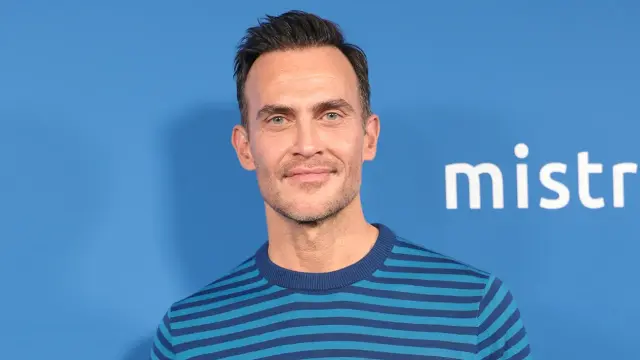
Cheyenne Jackson launched the 'One Job Away' social media campaign to help actors meet SAG-AFTRA's $28,000 annual earnings threshold for health insurance. The initiative, which has received hundreds of submissions, highlights a systemic crisis where veteran performers struggle to qualify for coverage due to declining work and rising costs. Meanwhile, SAG-AFTRA revealed that less than 1% of its 160,000 members will receive streaming bonuses, prompting union president Sean Astin to acknowledge a disconnect between the union's efforts and members' lived experiences.

A.V. Club•2 months ago
Los Angeles Times•2 months ago

Crunchyroll is hosting its inaugural Anime Future Forum on October 7 at the Javits Center in New York, a day before New York Comic Con. The invitation-only summit features high-profile speakers including James Gunn and, initially, Guillermo del Toro, alongside top executives from Japanese studios like MAPPA and Toho. The event aims to strengthen Sony’s anime ecosystem by connecting Japanese creators with global partners, focusing on fandom, technology, and intellectual property. While del Toro later withdrew, the forum remains a significant strategic move for Sony to position anime as a major growth sector, with over 400 industry figures expected to attend.
The article ranks the 120 most powerful Hollywood executives, focusing on leaders from major studios, streaming platforms, and music companies, highlighting their influence, career achievements, and industry impact at this pivotal moment of transition for Hollywood.

A study reveals that the Los Angeles region's share of national Film and TV employment fell by 8% during the 2023 Hollywood strikes, with the entertainment workforce becoming less dependent on traditional film and TV and more diverse and tech-oriented. The report highlights significant shifts in the industry, including a rise in employment in areas like software publishing and media streaming, and an increase in college-educated and racially diverse workers.

Hollywood was thrown into panic when payroll company Cast & Crew announced that the California Employment Development Department (EDD) planned to issue warnings to loan-out companies, potentially disrupting the way freelancers in the industry are paid. Although the EDD later clarified it was not banning loan-outs, the incident highlighted the financial complexities and benefits of these corporate entities, which allow freelancers to manage their income and taxes more effectively.

Hollywood was thrown into panic when payroll company Cast & Crew announced that the California Employment Development Department (EDD) was scrutinizing loan-out companies, which are used by freelancers to manage their income and taxes. Although the EDD later clarified that it was not banning these entities, the incident highlighted the precarious nature of freelance work in the film and TV industry and the importance of loan-outs in providing financial flexibility and tax benefits to industry professionals.

An audit by the California Employment Development Department (EDD) into Cast & Crew, a payroll company servicing the entertainment industry, has raised concerns about the potential invalidation of loan-out companies, a common payment structure for entertainment professionals. This could lead to higher income taxes and payroll taxes for workers. Cast & Crew and industry unions are seeking clarity from the EDD, which has stated it is not banning loan-out companies but is ensuring proper tax collection. The issue may be linked to California's AB 5 law, and affected parties have been given the opportunity to challenge the EDD's assessment.

The California Employment Development Department (EDD) is challenging the Hollywood practice of paying workers through loan-out companies, which could have significant implications for the industry. The EDD argues that payments should be made directly to the loan-out corporation owners as wages, potentially affecting many productions and workers. Major payroll providers and unions are opposing this position and are preparing to challenge the EDD's stance.

Los Angeles' on-location filming declined by 8.7% in the first quarter, with television production down 16.2% year-over-year, while reality TV production dropped 18.6% and TV comedy production plunged by 51.5%. However, feature film production rose slightly during Q1. The film office attributes the slowdown to runaway production, series cancellations, and planned reductions in content spend, leading to limited industry output and work opportunities. Industry professionals are expressing concerns about the slow return to work and the impact on job opportunities.

BBC drama boss Lindsay Salt suggests that the industry has shifted from "peak TV" to "peak caution," expressing concerns about risk aversion and a retreat into safe bets due to financial pressures and commercial imperatives. She aims to reshape the drama landscape by encouraging risk-taking and redefining "state of the nation" drama, prioritizing currency, character, and empathy in storytelling. Salt emphasizes the need for more iconic characters and a departure from flashy concepts, highlighting the BBC's unique support and freedom for creatives.