global-politics12.835 min read
Moscow Offers One-Day Pause, Rejects Kyiv’s 60-Day Ceasefire Demand
1 hour ago•Source: Politico

The latest global politics stories, each synthesized from multiple sources with added background and context.
The Trump administration has rejected all seven candidates for the next UN Secretary-General, demanding new nominees who align with its reform agenda. This stance threatens funding for the current frontrunner, Rebeca Grynspan, as the US leverages its veto power against a slate it views as insufficiently reformist.
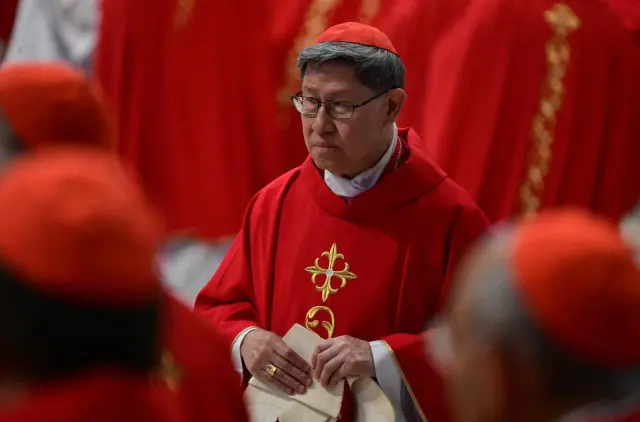
Spain’s Supreme Court has lifted the national arrest warrant against exiled Catalan leader Carles Puigdemont, allowing him to return to Spain after nearly nine years in Belgium. However, the move is provisional and does not formally apply the 2024 amnesty law or dismiss the charges against him. Puigdemont welcomed the decision but cautioned that it does not resolve the broader political conflict between Catalonia and Madrid.
Brazil’s presidential election on October 4, 2026, resulted in a runoff between incumbent Luiz Inácio Lula da Silva and Senator Flávio Bolsonaro, as neither candidate secured the required 50% majority. The second round is scheduled for October 25. The campaign was defined by deep polarization, crime policy debates, and international tensions, particularly regarding US tariffs and foreign interference. While Lula emphasized sovereignty and multilateralism, Flávio Bolsonaro focused on security and aligned with right-wing global figures. Voter fatigue and corruption scandals, including the Banco Master case, contributed to an 'apathetic polarization' among the electorate.
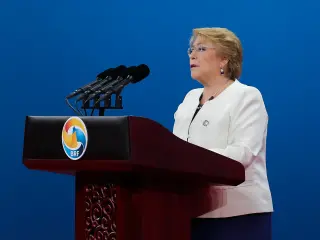
Former Chilean President Michelle Bachelet has withdrawn from the race to become the next United Nations secretary-general, citing low support in the latest Security Council straw poll. Her exit leaves Costa Rica’s Rebeca Grynspan as the leading candidate, though no contender has secured the consensus needed to avoid vetoes from permanent members. The selection process remains stalled ahead of the General Assembly’s high-level week, with observers noting that the current field lacks a clear front-runner capable of navigating geopolitical divisions.
A Public First poll of more than 18,000 people in 15 countries finds China is widely seen as the AI leader outside the United States, while just over half of Americans still view the U.S. as the dominant AI power but with declining optimism; respondents express worries about misinformation, job automation, and energy use, and policymakers wrestle with how to regulate AI without stifling innovation.
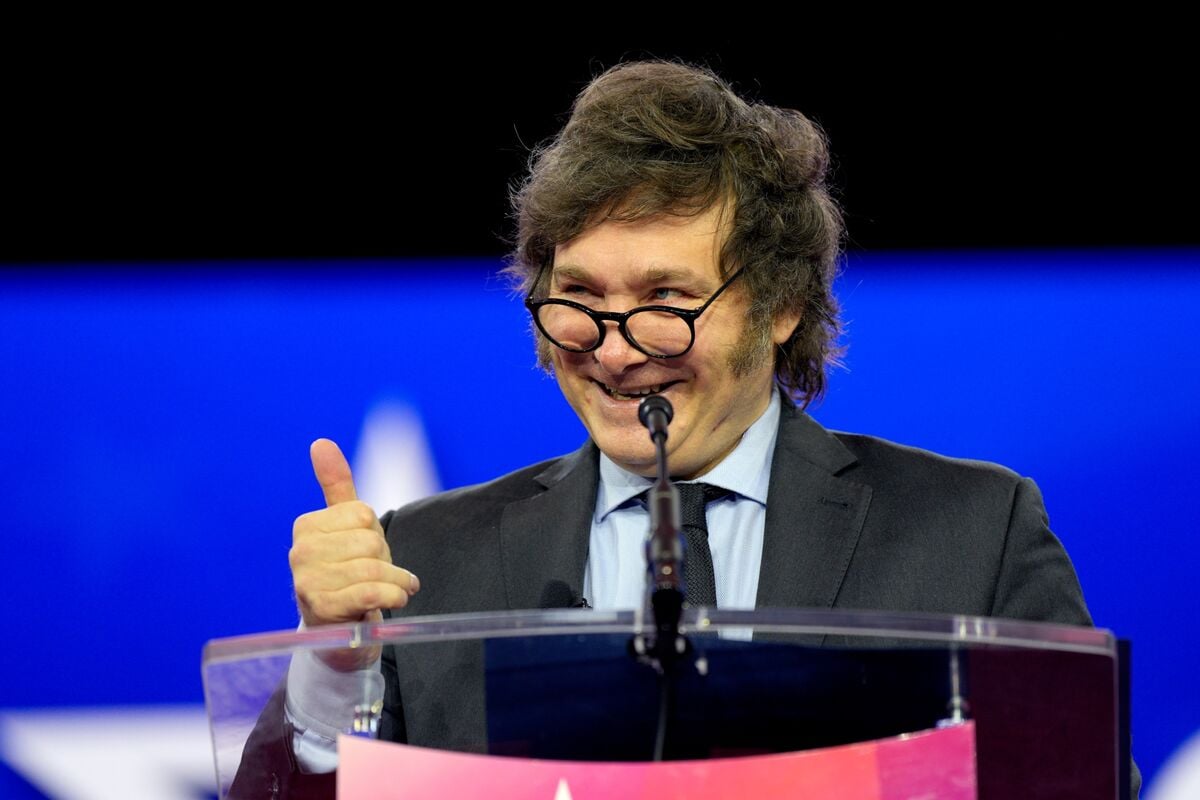
Argentine politician Javier Milei is facing the reality of his country's dependence on China as he takes on his new role. The presidential palace in Buenos Aires serves as a constant reminder of Argentina's close ties with China, highlighting the challenges Milei will need to navigate in the realm of global relations.
In 2024, global politics will be shaped by various factors. The Red Sea shipping disruptions caused by the Houthis will impact the Egyptian economy while potentially benefiting countries like Namibia and Mozambique. Vladimir Putin faced challenges in 2023, including sanctions and loss of human capital. Elections in India, the European Union, the United States, and Russia will be significant events to watch. Additionally, the rapid advancement of artificial intelligence will bring both opportunities and disruptions, requiring governance to catch up. The ongoing wars and the state of the Chinese economy will also be important focal points.
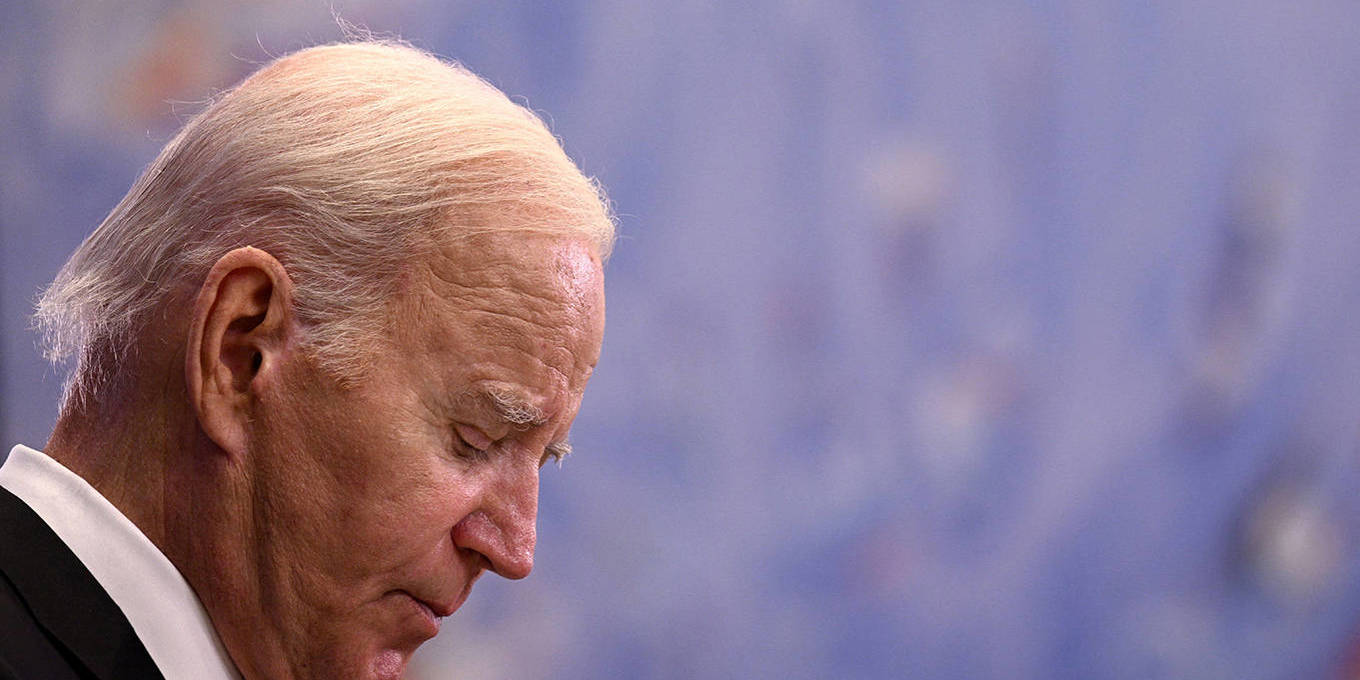
The shift from a unipolar to a multipolar world economy is not leading to a China-led alternative order, but rather to global instability. The Western-led global economic order is facing internal stress, eroding its effectiveness and legitimacy. As more countries build alternatives to the Western-led order, the global economy risks fragmentation, eroding America's leadership role and accelerating a shift toward disorder. The multilateral system is further undermined by its inability to address urgent global challenges. Russia's ability to maintain trading relationships despite sanctions and the perceived hollowness of the West's commitment to human rights in the Israel-Hamas conflict have fueled frustration with the Western-led order. To prevent further fragmentation and international disorder, Western powers must strengthen the existing multilateral architecture by reforming key institutions and addressing issues of voice and representation. Failure to do so would result in more global disorder and hinder our ability to tackle long-term challenges.
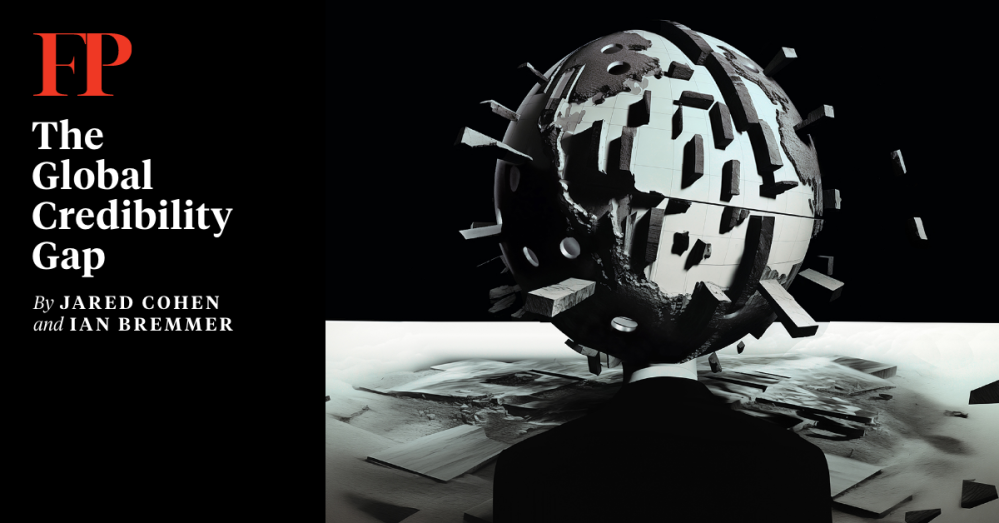
The world is currently experiencing a crisis of credibility in global politics, with the international system rapidly losing credibility as no single power is seen as willing and able to uphold the international order. Recent events, such as deteriorating relations between the US and China, the COVID-19 pandemic, Russia's invasion of Ukraine, and the Middle East conflict, are symptoms of this broader crisis. Credibility is crucial for states to turn power into influence, and without it, there is disorder and instability. The United States, as the incumbent global leader, is facing doubts about its credibility due to recent foreign policy choices and domestic division. China, on the other hand, is seeking to leverage its growing strength to reshape global politics but is facing challenges to its credibility due to its assertive foreign policy and domestic political control. As a result, the credibility of the current international system is eroding, creating leadership and institutional vacuums and giving rise to geopolitical swing states and shifting international alignments.
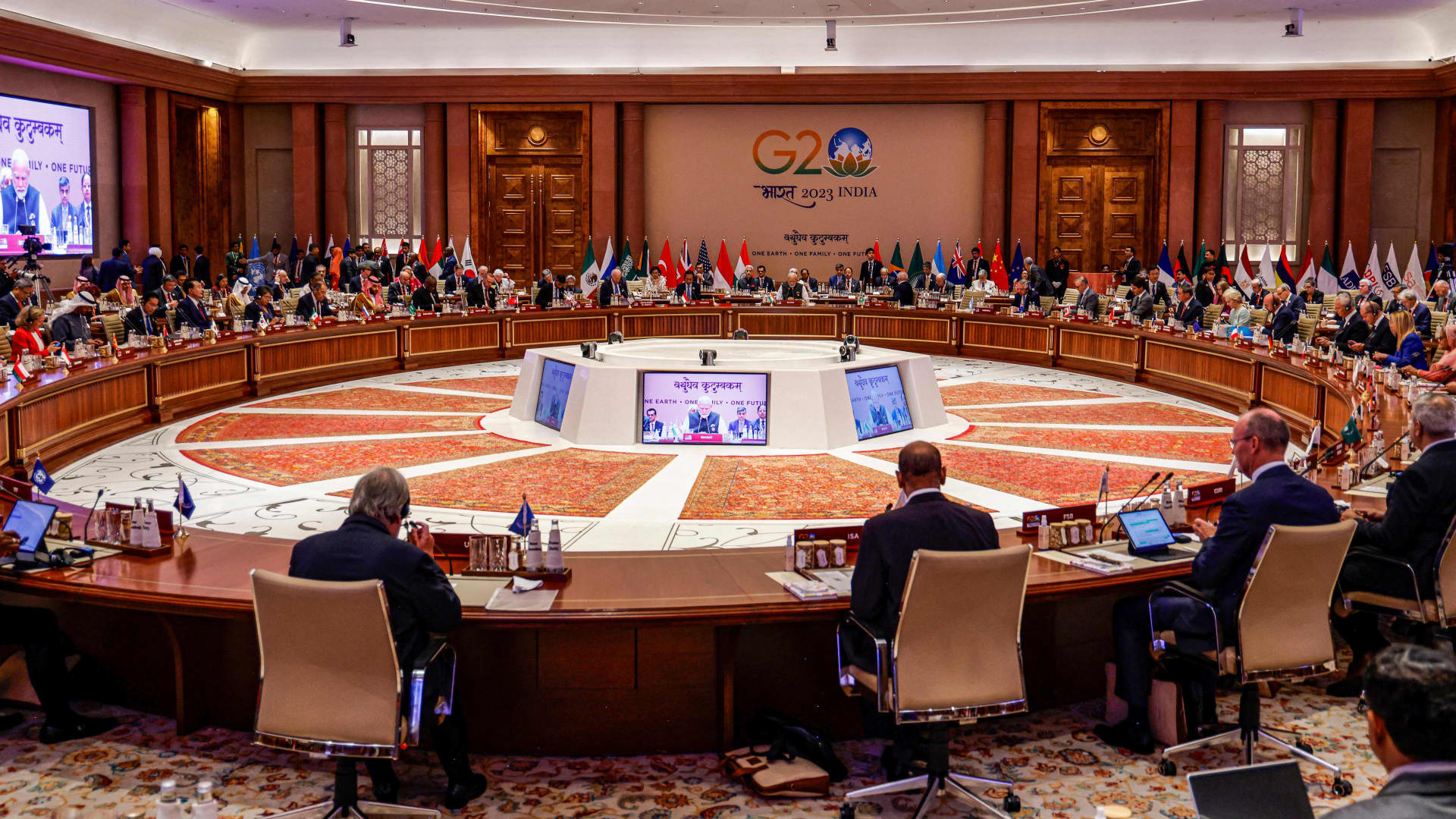
The African Union has been admitted as a full permanent member of the G20, becoming the second regional organization to join the group after the European Union. Indian Prime Minister Narendra Modi announced the move at the G20 leaders' summit in Delhi, highlighting India's focus on elevating the Global South's role in the multilateral forum during its G20 presidency. The summit's agenda includes climate action, food and energy security, loans to developing nations, debt restructuring, and an international framework for cryptocurrencies. The absence of Russian President Vladimir Putin and Chinese President Xi Jinping raises concerns about the issuance of a communique at the end of the summit.
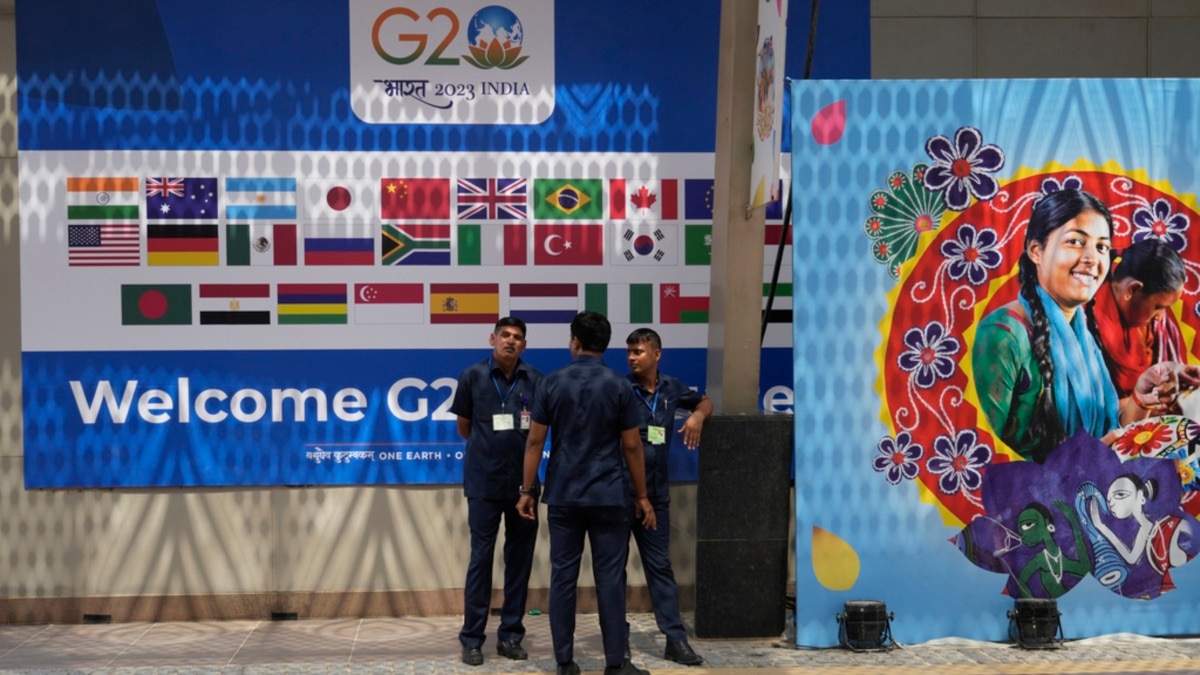
Indian Prime Minister Narendra Modi announced that the African Union (AU) has been granted permanent member status in the Group of 20 (G20) top world economies, making it the second regional bloc to become a permanent member after the European Union. Modi's move to include the AU as a permanent member reflects his drive to give a greater voice to the Global South. The G20 summit opened with the absence of key players like Russia and China, and tensions over the war in Ukraine threatened to hinder consensus on critical issues. The summit's agenda includes discussions on alternative fuels, digital infrastructure, food security, and climate financing. Human Rights Watch urged leaders not to let political differences distract from addressing human rights issues.