
regulation22.115 min read
NHTSA Launches First Lighting Rulemaking in 25 Years to Address Glare
2 days ago•Source: Road & Track

The latest regulation stories, each synthesized from multiple sources with added background and context.

The NHTSA has issued a Special Order demanding Tesla prove under oath that its Cybercab—lacking a steering wheel, pedals, mirrors, and other conventional controls—complies with federal safety standards written for human drivers. Tesla must respond by Sept. 30 or face penalties up to $139 million. The agency questions self-certification, notes that many FMVSS standards assume a human driver, and highlights issues such as FMVSS 135 (foot brakes) because the Cybercab has no foot-activated brake. NHTSA references its proposal to rewrite rules for automated vehicles and contrasts Tesla’s approach with Zoox’s exemption path, signaling that, until standards are updated, the Cybercab’s sale and operation may remain constrained.
CryptoSlate•2 months ago

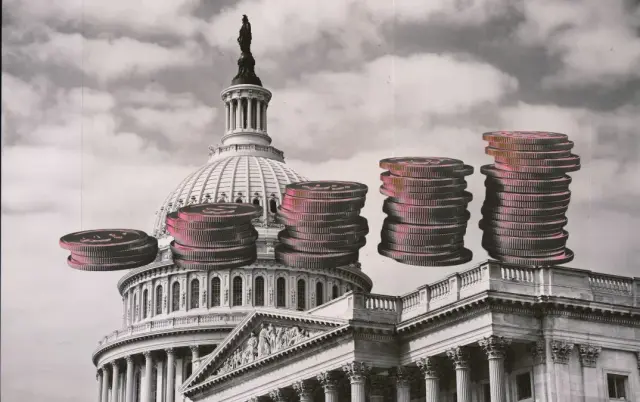
President Trump has agreed to ethics language on digital-asset dealings, potentially clearing the last major hurdle for a broad crypto bill (the Clarity Act) to pass the Senate before an early-August deadline. The bill would establish a federal crypto framework and assign oversight to the SEC and CFTC. Text could be released in coming days, with negotiations focusing on how officials profit from crypto; White House adviser Patrick Witt remains in place as talks continue, and the measure would move to the House if the Senate approves before returning to Trump for final action.
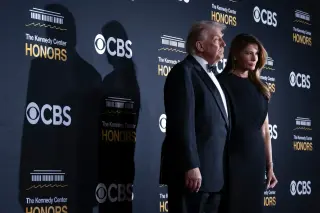
ProPublica reports that FCC commissioners Olivia Trusty and Brendan Carr attended the Kennedy Center honors with expensive tickets gifted by Paramount, part of gifts totaling over $308,000 from CBS/Paramount over a decade. Experts say accepting these gifts while ruling on Paramount’s deals creates a clear conflict of interest and could require recusal from merger decisions, as the agency weighs Paramount’s $8 billion merger with Skydance and other deals. The story highlights ongoing debates over ethics guidelines, the FCC’s limited quorum, and the potential for litigation or challenges to approvals, while Paramount defends the long-running practice of inviting officials to the gala.
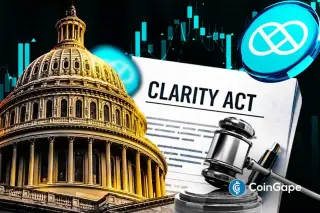
The Digital Asset Market Clarity Act (CLARITY Act) was added to the Senate calendar, signaling a near-floor vote after committee passage. The bill would define a regulatory framework for digital assets and clarify duties for the SEC and CFTC, with backing from Senate Banking Chair Tim Scott and urging swift action from Sen. Cynthia Lummis as Congress weighs crypto-market reforms ahead of the August recess.
Sen. John Kennedy plans to vote yes on the Digital Asset Market CLARITY Act in the Senate Banking Committee markup after striking a deal with Chairman Tim Scott to add fiduciary-duty provisions and attach Sen. Elizabeth Warren’s housing bill; the move solidifies Republican support for the bill even as Democrats file more than 100 amendments, including anti-DeFi proposals, with the bill expected to advance to the Senate floor before Memorial Day recess.
SEC staff provide an interim view that a Covered User Interface Provider (e.g., a self-custodial wallet with a crypto asset securities UI) may operate without registering as a broker-dealer under Section 15(a) if it does not solicit investors, offers objective execution routes, discloses affiliations and material risks, uses a fixed fee, and maintains policies to evaluate venues and parameters; the guidance outlines disclosure requirements and is open for public comment, expiring five years from April 13, 2026.
The CFTC issued an Advanced Notice of Proposed Rulemaking to solicit public input on whether to amend or create new rules for event contracts in prediction markets, asking about core principles, prohibited contracts, and cost-benefit considerations; comments are due 45 days after Federal Register publication via the Public Comments Portal.
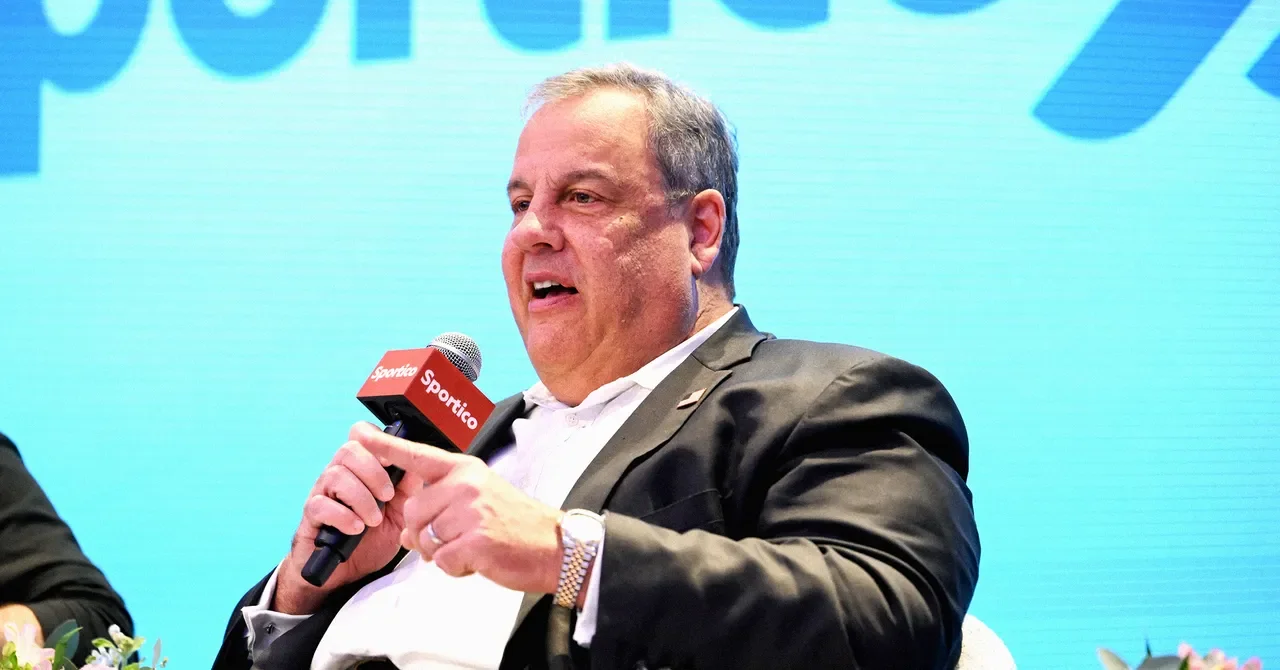
The U.S. regulatory fight over prediction markets such as Kalshi and Polymarket is intensifying, with advocates arguing the platforms offer fair, investor-driven markets and regulators pressing for state-agnostic gambling laws; Kalshi operates nationwide while Polymarket, banned in 2022, has returned in a limited form. Dozens of lawsuits target Kalshi, the CFTC asserts exclusive authority, and lawmakers on both sides of the aisle are weighing actions—signaling a long, contentious battle rather than a quick resolution.
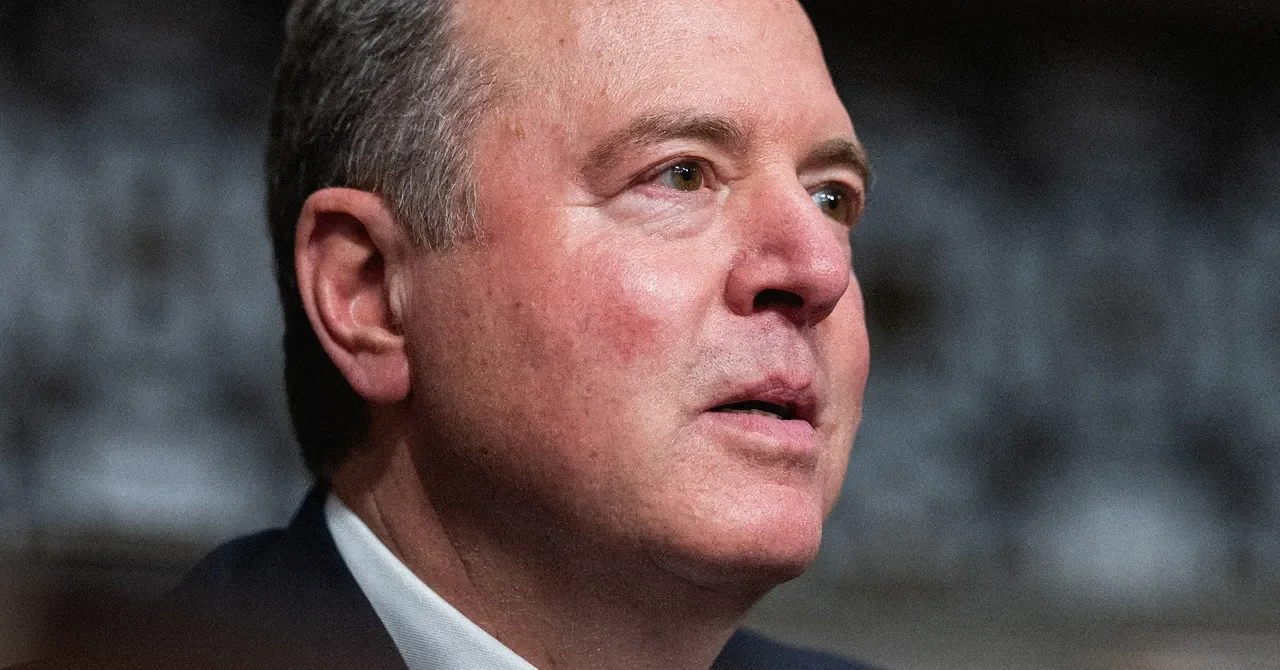
A group of 23 Democratic senators led by Adam Schiff urged the CFTC to refrain from weighing in on ongoing state and federal lawsuits over the legality of Kalshi and Polymarket, arguing the platforms lack protections and touch on prohibited events. The letter pushes the agency to bar certain contracts, while the CFTC maintains exclusive jurisdiction over derivatives, highlighting a broader regulatory clash as lawsuits unfold.

The U.S. Commodity Futures Trading Commission (CFTC) has rejected a proposal by prediction market Kalshi to introduce a derivative contract tied to congressional elections, citing concerns about becoming an "election cop" and the potential for gambling on elections. The CFTC's decision reflects its consistent stance against election betting, as seen in previous rejections of similar applications. While there are arguments against prediction markets in elections, proponents argue that they provide valuable data for political scientists and could tap into the concept of crowdsourcing truth. However, the CFTC's decision raises concerns that it is stifling the prediction markets industry before it can fully develop.
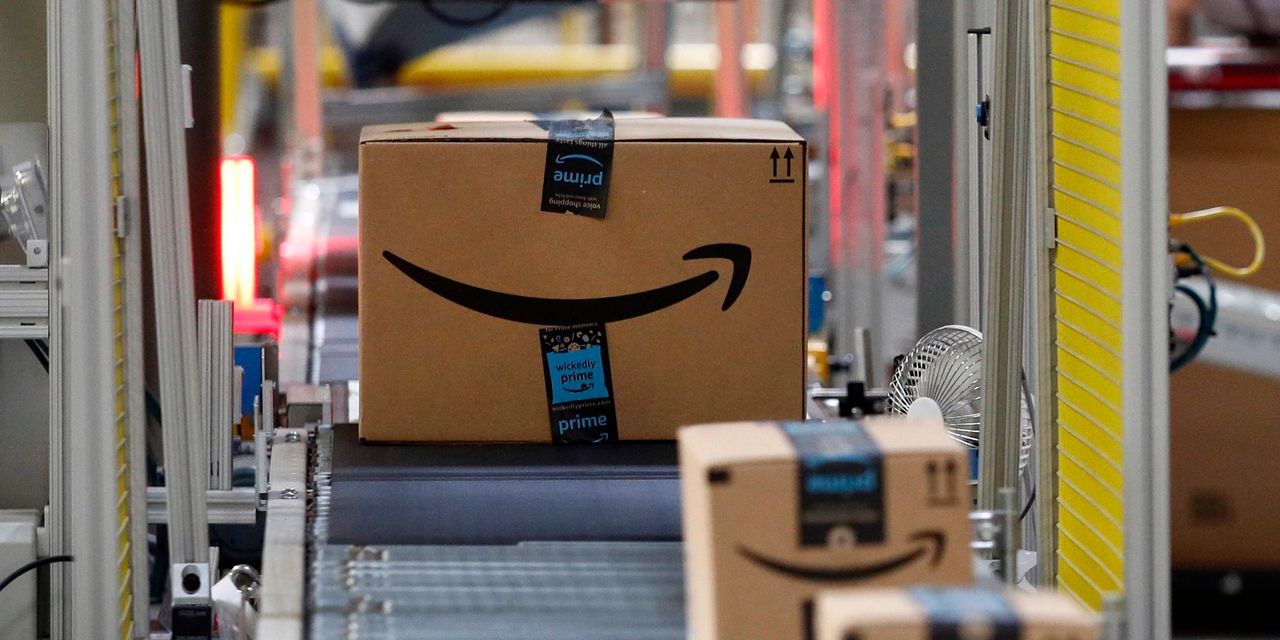
The Federal Trade Commission (FTC) is preparing to file a lawsuit against Amazon later this month after the e-commerce giant's officials failed to offer any concessions in settlement talks over antitrust claims. The FTC has been examining Amazon's practices, including allegations of favoring its own products over competitors' and how it treats outside sellers on its platform.