Science And Agriculture News

The latest science and agriculture stories, each synthesized from multiple sources with added background and context.

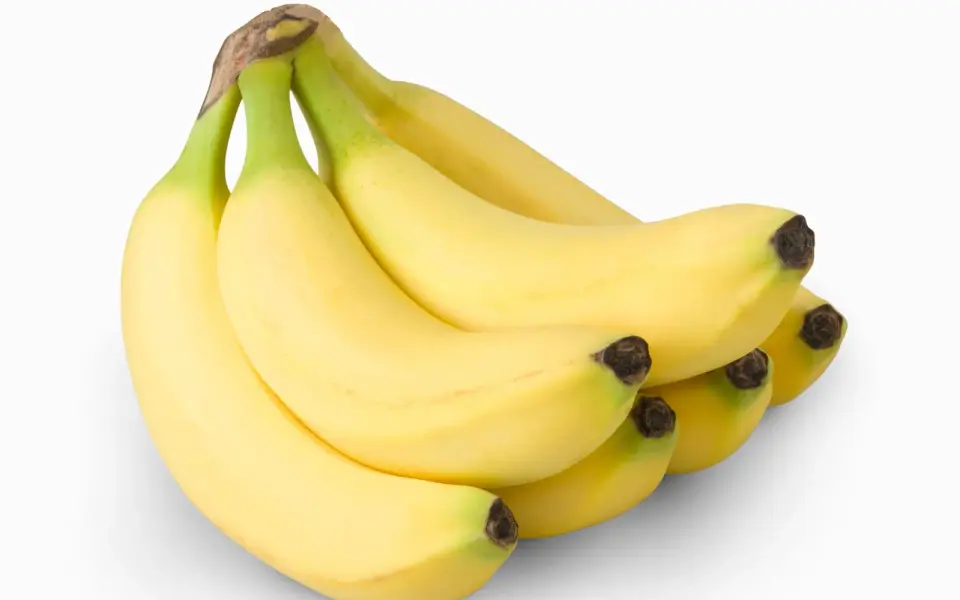
UK Approves Gene-Edited Bananas to Combat Browning and Food Waste
science-and-agriculture3.8 min read

UK Approves Gene-Edited Bananas to Combat Browning and Food Waste

16 days ago•Source: AOL.com
View original source
"Ancient Origins: Tracing the History of Your Morning Coffee"
science-and-agriculture
2.43 min•2 years ago

"Ancient Origins: Tracing the History of Your Morning Coffee"

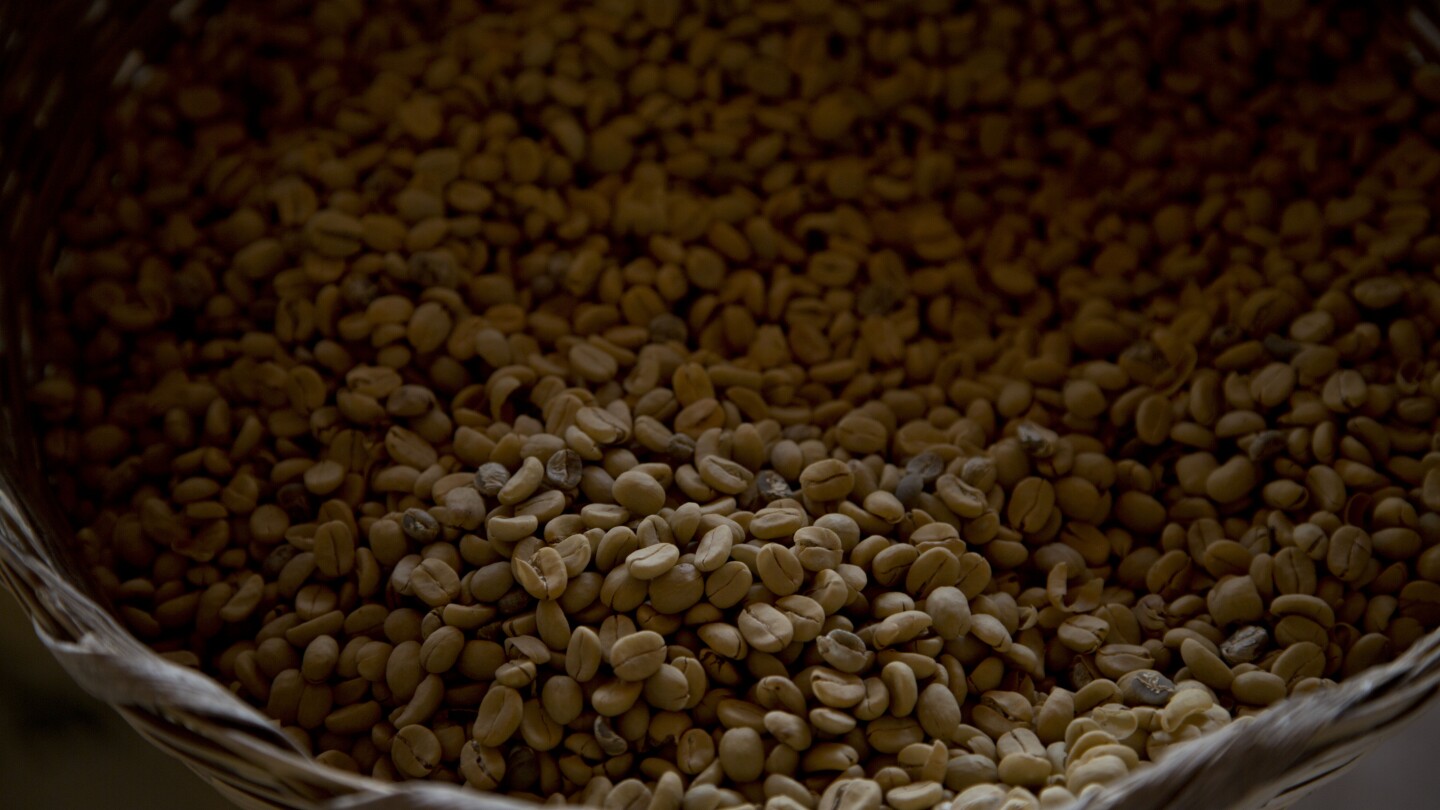
Researchers have traced the origins of arabica coffee back 600,000 years through natural crossbreeding of two other coffee species, shedding light on its genetic history and vulnerabilities to diseases like coffee leaf rust. The study, published in Nature Genetics, aims to protect the plant from pests and climate change by exploring its genetic makeup and population fluctuations over time, potentially safeguarding the global coffee market dominated by arabica.

More Science And Agriculture Stories

Quinoa Research Debunks Century-Old Theory of 'Water Balloons'
science-and-agriculture2 years ago

Quinoa Research Debunks Century-Old Theory of 'Water Balloons'

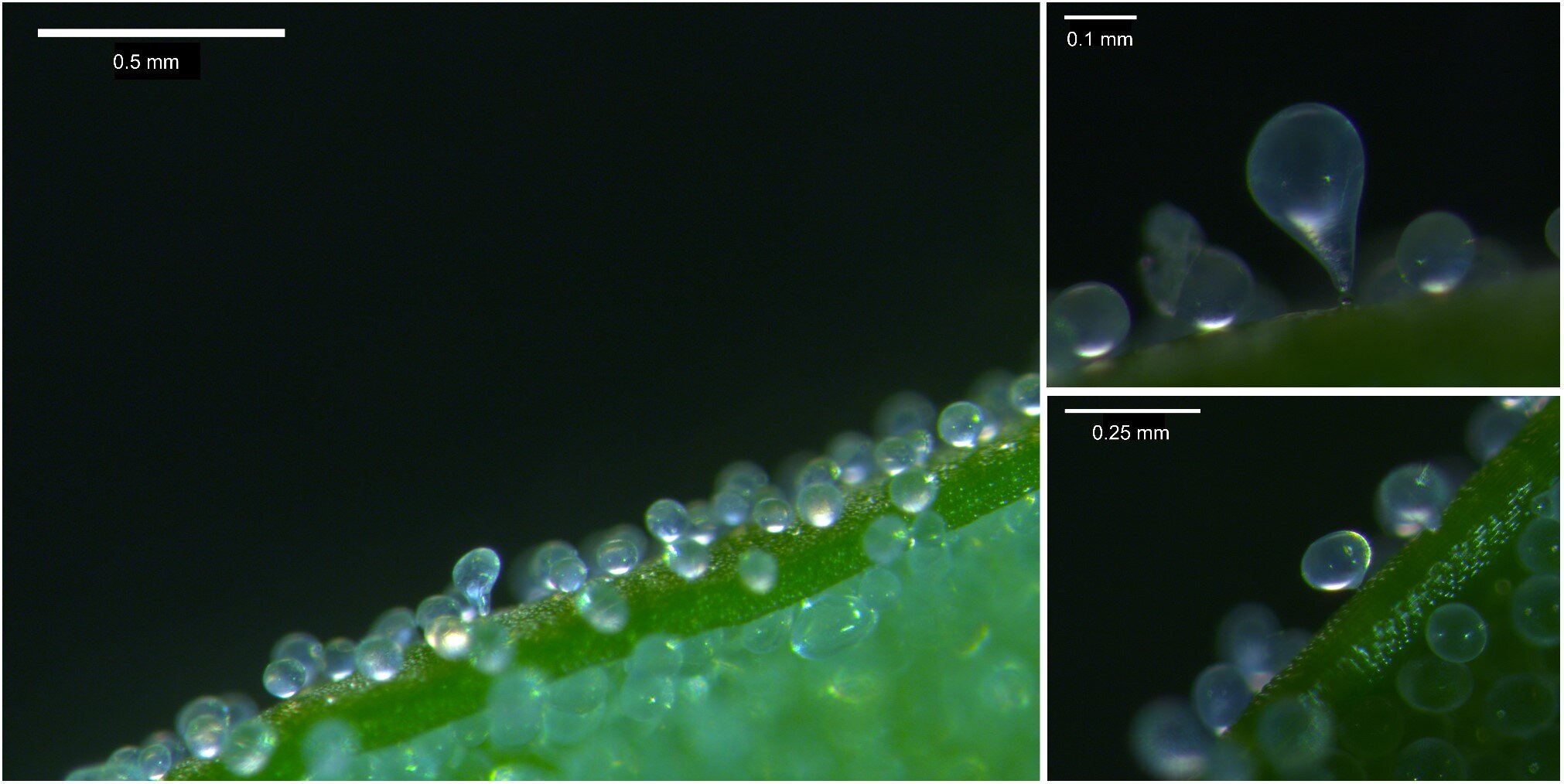
Research from the University of Copenhagen has debunked a 127-year-old theory about the function of bladder cells on the surface of quinoa plants. Previously believed to protect against drought and salt, the study found that bladder cells actually serve as a barrier against pests and diseases. The discovery could lead to the development of more resilient quinoa varieties and wider cultivation of this sustainable crop worldwide.

Cracking the Pepper Code: Unveiling the Secrets of Domestication and Diversity
science-and-agriculture3 years ago

Cracking the Pepper Code: Unveiling the Secrets of Domestication and Diversity

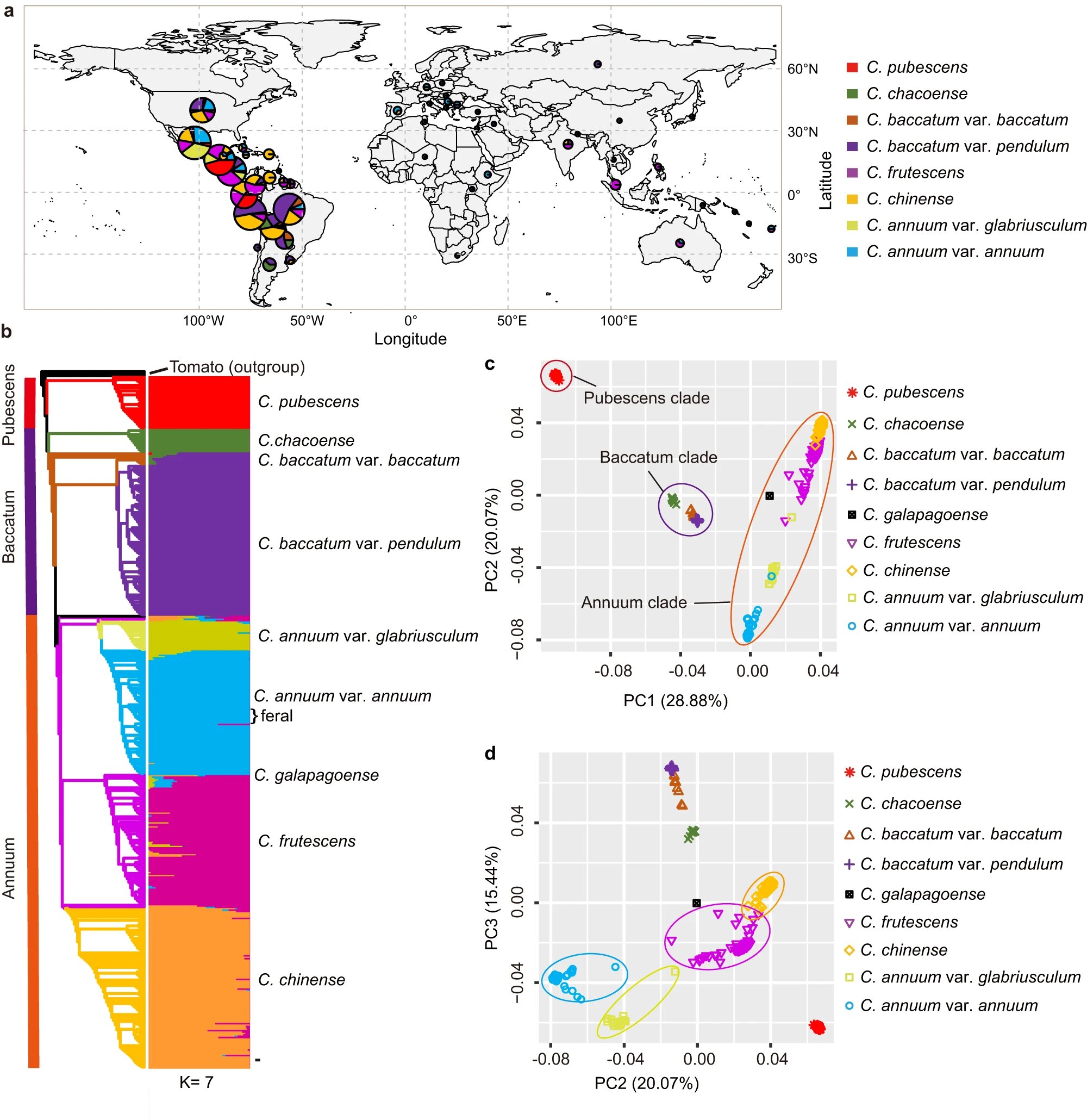
A recent study published in Nature Communications has sequenced the genomes of cultivated and wild pepper species, providing insights into pepper evolution, domestication, and genetic diversity. The research identified genes associated with critical traits such as fruit shape, flavor, and stress responses, offering possibilities for agricultural advancements and the development of more resilient and flavorful pepper varieties. The study also revealed that pepper domestication is more complex than previously thought, with unique genomic regions that could be significant in developing pepper varieties tailored for specific environmental conditions and enhanced fruit quality. The resulting pepper genome sequence and variants database can be accessed and analyzed for future functional studies and breeding efforts.