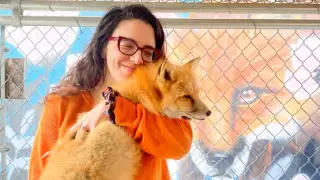
Tame Foxes Show Fewer Aggression-Linked Neurons in Brain Study
Researchers found that domesticated foxes have fewer neurons linked to aggression in the ventromedial hypothalamus, suggesting rapid brain changes during domestication.

All articles tagged with #domestication
Researchers found that domesticated foxes have fewer neurons linked to aggression in the ventromedial hypothalamus, suggesting rapid brain changes during domestication.
Evolutionary biology confirms that the egg preceded the chicken. Paleontology dates egg-laying to 540 million years ago, long before birds existed. The domestic chicken evolved gradually from the red junglefowl over 8,000 years, with the first true chicken hatching from an egg laid by non-chicken ancestors.
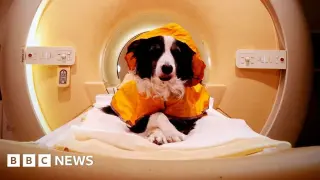
A new study published in iScience confirms that dogs can distinguish between happy, angry, sad, and fearful human faces using brain activity patterns. Researchers at the University of Vienna found that while dogs react strongly to smiles via reward circuits, they can also differentiate specific negative emotions, suggesting domestication has shaped their brains to understand human social cues.
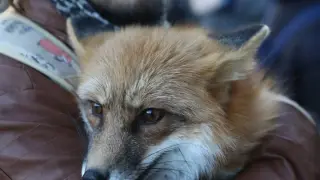
A viral video shows Michelle Robinson sheltering a fox during a thunderstorm as the animal calmly enters her home and quickly settles in, prompting disbelief from viewers and sparking experts’ discussion about self-domestication in the UK, where foxes become more comfortable around people but never fully domesticate.

Ancient DNA analysis shows that a specific GSDMC gene variant swept through horses around 4,200 years ago, reshaping their skeletons and limb strength to enable riding. Earlier, a ZFPM1 variant may have calmed temperament about 5,000 years ago, aiding domestication. The rapid rise of the GSDMC allele across Eurasia turned mounted riding into a dominant driver of warfare and transport, helping spark empires and drastically altering human history.
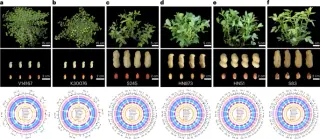
Six telomere-to-telomere peanut genomes (two diploids and four allotetraploids) reveal asymmetric transposable element activity and centromere evolution between subgenomes, catalog thousands of structural variants linked to domestication, and, from 521 resequenced accessions, illuminate population structure, introgression, and trait genes. GWAS and functional analyses pinpoint AhWRI1 and AhGSA1 as regulators of oil content and seed size, while transcriptomic and metabolomic profiling tie lipid and anthocyanin pathways to seed development—providing genomic levers for peanut improvement.

New genetic analysis of 15,800-year-old dog remains from Türkiye and 14,300-year-old bones from Gough’s Cave in Britain pushes back the domestication timeline, showing dogs lived closely with humans across western Eurasia during the Late Upper Paleolithic and were integrated into human groups, with evidence of dietary overlap and even burial alongside people, suggesting a deep, early bond before farming.
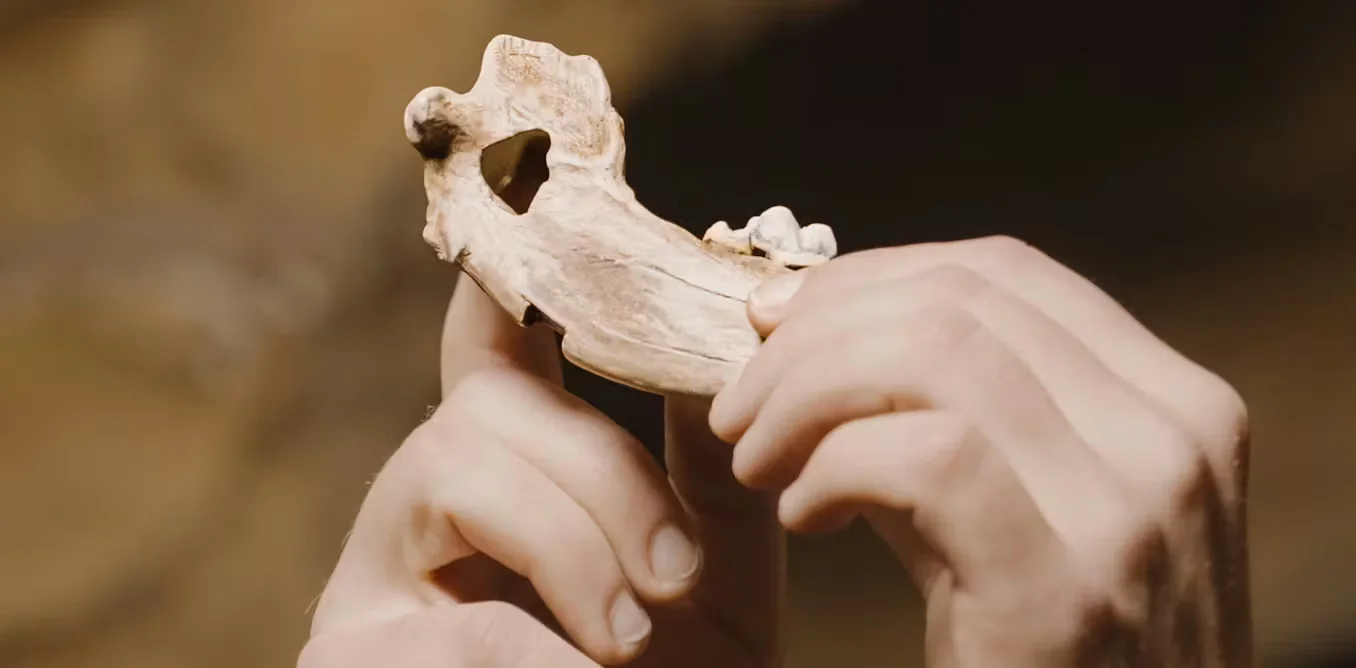
Two Nature-published studies using ancient DNA and archaeology show dogs were living with humans across Eurasia by at least 16,000 years ago, with the Pınarbaşı dog in central Turkey (~15,800 years) buried with people and sharing food, and related dogs at Gough’s Cave in Britain (~14,300 years); later, dogs from Turkey interbred with European dogs brought by farmers about 8,500 years ago rather than replacing existing lineages, revealing a long, mobile, and deeply integrated relationship between dogs and humans before farming.
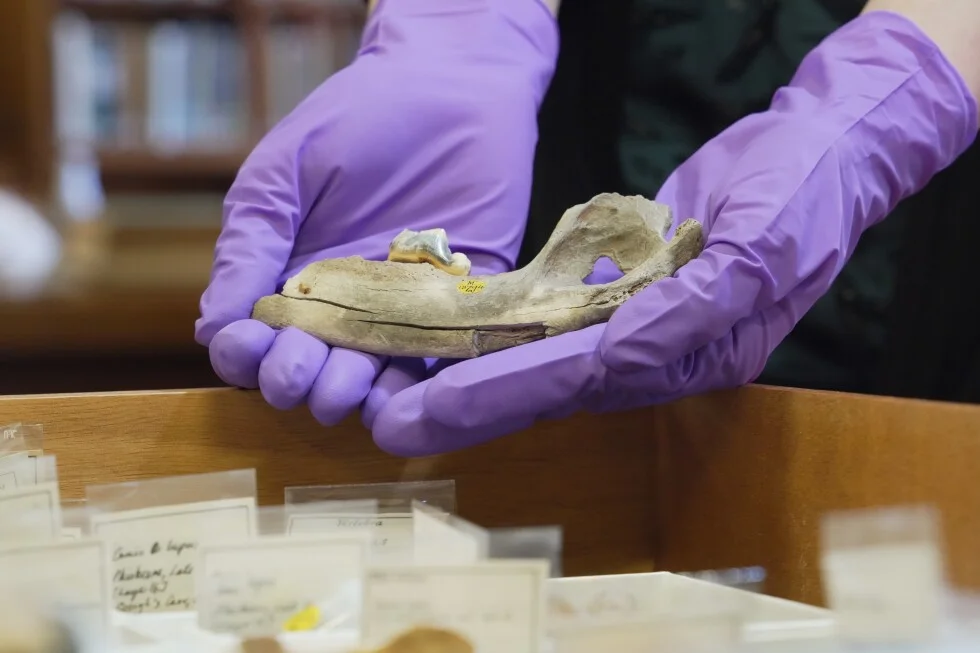
Researchers studying ancient dog remains, including a 14,300-year-old jawbone from Gough’s Cave in the UK and a Swiss find, are using genomics and archaeology to trace where dogs came from and how they spread with people, offering new clues about when and where domestication occurred.
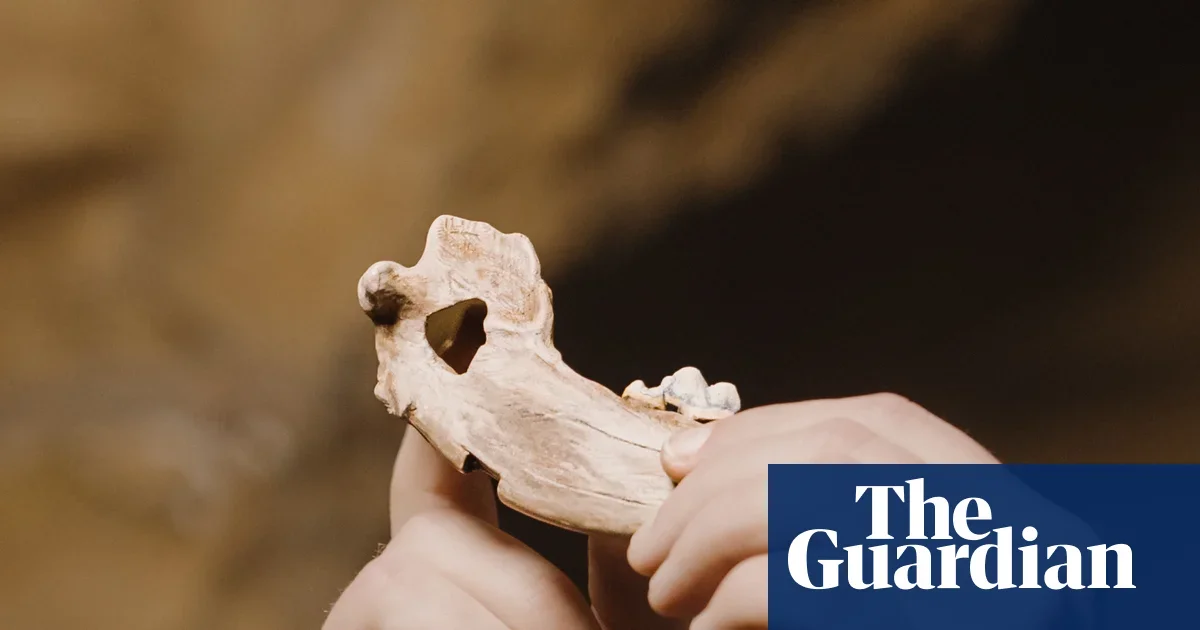
Ancient DNA from dog remains across Anatolia, the UK, and Serbia shows dogs were widespread in Europe and western Asia by about 14,000 years ago, with the oldest specimen dating to 15,800 years. Isotopic data indicate dogs ate fish, suggesting they were fed by humans, and puppies buried with a human at Pınarbaşı point to deep emotional bonds. The findings push the origin of domesticated dogs to the last Ice Age and imply rapid spread and sustained human–dog relationships, with many modern European breeds tracing substantial ancestry to these ancient dogs.

A Live Science feature by Sophie Berdugo outlines how humans and domesticated cats evolved from a mutual pest-control partnership into a more complex, sometimes asymmetrical relationship. Tracing cats to African wildcats and their spread with agriculture, the piece argues that while early cats helped curb rodents in small settlements, their role in large grain stores likely diminished, prompting a broader rethink of what mutualism means and what a cat is in our shared ecological story.

Experts weigh whether any wild species could be domesticated into the next popular pet; raccoons are highlighted as a potential example, but true domestication is a slow, complex evolution driven by social behavior and interaction with humans, with many urban wildlife species potentially following a commensal path rather than deliberate breeding, and dogs and cats remaining the benchmark.

Researchers discovered 3,000-5,000-year-old wolf remains on a remote Swedish island, revealing complex prehistoric interactions with humans, including possible management or domestication, challenging traditional views of human-wolf relationships.
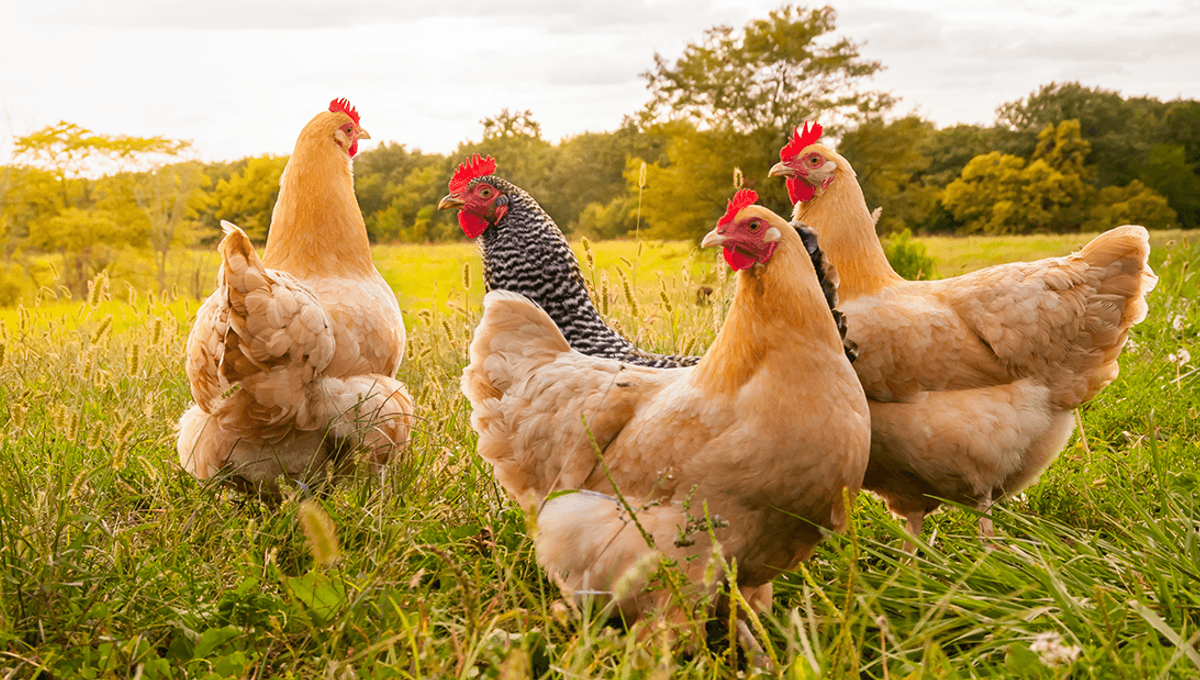
Humans primarily eat chickens because they are easy to domesticate, farm efficiently, and are more palatable compared to other birds like swans or seagulls. The history of chicken consumption dates back thousands of years, with their popularity boosted by their suitability for domestication and their role in entertainment such as cockfighting.

A Swiss research team used precise gene editing to correct a mutation in the SSP2 gene of domesticated tomatoes, resulting in earlier fruiting, more compact growth, and potential for improved crop scheduling, highlighting how fixing deleterious mutations can enhance crop traits.