
UK Approves Gene-Edited Bananas to Combat Browning and Food Waste
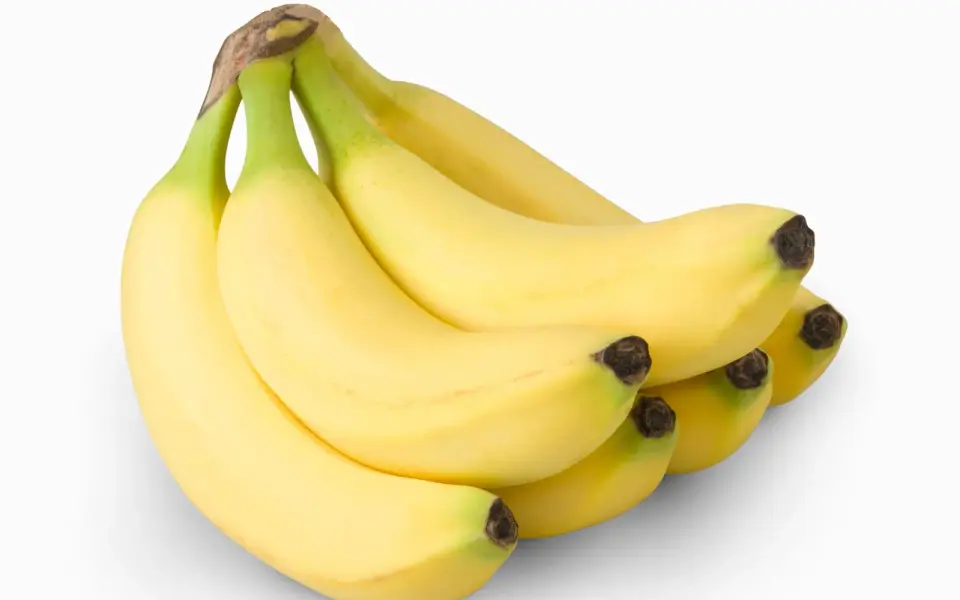
The UK Environment Secretary has approved a marketing notice for gene-edited bananas that resist browning, marking a significant step for precision breeding in Britain. Developed by Norfolk-based Tropic Biosciences using CRISPR-Cas9, these bananas have three genes tweaked to disable the polyphenol oxidase enzyme, which causes fruit to brown when damaged or aged. This modification extends shelf life by up to 24 hours after peeling and reduces bruising during transport. Defra estimates that browning accounts for 20% of banana yield losses, with 1.4 million edible bananas discarded annually by UK households. If the Food Standards Agency clears the product for safety, these bananas will be sold in England without special labeling, as gene editing is distinct from genetic modification under the Precision Breeding Act 2022. The approval follows similar green lights for other crops, including vitamin D-rich tomatoes and disease-resistant potatoes, reflecting post-Brexit regulatory shifts that prioritize bioscience innovation over stricter EU rules.
Key points
- The UK Environment Secretary approved a marketing notice for gene-edited bananas that resist browning, allowing them to remain edible longer.
- Tropic Biosciences used CRISPR-Cas9 to tweak three genes, disabling the polyphenol oxidase enzyme responsible for browning.
- Defra states that browning causes 20% of banana yield losses, with 1.4 million edible bananas thrown away by UK households annually.
- The gene-edited bananas will not require special labeling if approved by the Food Standards Agency, as they are not considered genetically modified.
- This approval is part of a broader trend in the UK, where post-Brexit regulations have loosened restrictions on precision breeding, unlike the stricter EU framework.
Background
This development follows the UK's Precision Breeding Act 2022, which allows specific DNA edits without classifying them as genetic modification. Previous approvals include strawberries with longer fruiting periods and 'sunshine tomatoes' rich in vitamin D. The move aligns with Boris Johnson's 2019 call to liberate the UK bioscience sector from anti-genetic modification rules, aiming to enhance crop resilience against climate change and disease. While gene editing is permitted in England, devolved administrations have not yet approved such products, and no gene-edited foods have been fully cleared by the Food Standards Agency for sale yet.
Why it matters
This approval signals a shift in UK agricultural policy toward embracing gene editing as a tool to reduce food waste and improve crop resilience. By extending the shelf life of bananas, the move could significantly reduce the 1.4 million edible bananas discarded annually by households, benefiting both consumers and farmers. It also highlights the divergence between UK and EU regulatory frameworks, where post-Brexit freedoms allow for precision breeding without the strict labeling and approval processes required for genetic modification. This could position the UK as a leader in bioscience innovation, potentially leading to more gene-edited crops that are resistant to climate change and diseases, thereby enhancing food security and profitability for farmers.
What to watch
Tropic Biosciences must submit the gene-edited bananas to the Food Standards Agency for safety checks before they can be legally sold in England. If approved, these bananas will be available in supermarkets without special labeling, as gene editing is not considered genetic modification under UK law. The success of this product could pave the way for further approvals of gene-edited crops, such as disease-resistant potatoes and high-fat barley, which have already been submitted for review. However, devolved administrations in Scotland, Wales, and Northern Ireland may still reject these products, leading to a fragmented market across the UK. The outcome of the FSA review will be crucial in determining whether gene-edited foods become a mainstream part of the UK food supply.
Want the full story? Read the original reporting
Read on AOL.com