
New CAFE Rules Redefine 'Trucks' by Utility, Not Size
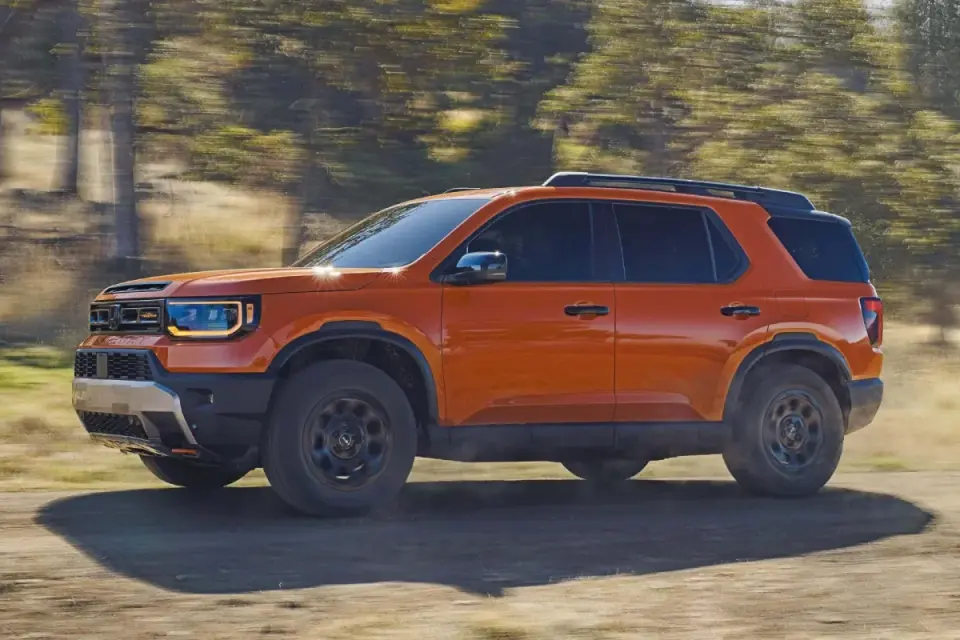
The Trump administration has finalized a major overhaul of Corporate Average Fuel Economy (CAFE) standards, replacing outdated 1975 definitions for 'light trucks' with a new performance-based metric. Starting in model year 2030, vehicles will be classified as trucks only if their combined towing and payload capacity exceeds 8,500 pounds. This change aims to close a loophole that allowed many crossovers to avoid stricter passenger car efficiency rules, potentially forcing automakers to improve fuel economy in the midsize SUV segment.
Key points
- NHTSA is replacing complex geometric and weight criteria for light truck classification with a single 'Light Duty Work Factor' (LDWF) based on towing and payload capacity.
- The new rule, effective for the 2030 model year, requires a vehicle to have an LDWF of at least 8,500 pounds to qualify for less stringent light truck emissions standards.
- This change is expected to reclassify millions of midsize crossovers and SUVs as passenger cars, subjecting them to stricter fuel economy requirements.
- The Drive notes that while the rule closes a loophole, current CAFE enforcement mechanisms remain weak, limiting immediate impact on the market.
- The Detroit News reports that the reclassification could push automakers to offer fewer unnecessary features and improve efficiency for consumers.
Background
This regulatory shift follows a broader pattern of the Trump administration rolling back environmental and emissions regulations, including recent moves to eliminate limits on power plant emissions. The CAFE rules themselves are part of a patchwork of regulations established over the past half-century, which have become increasingly ineffective as vehicle designs evolved. The new classification system is intended to modernize these standards to better reflect actual vehicle utility rather than arbitrary physical dimensions.
How outlets are covering it
The Drive emphasizes the 'wicked twist' of the new rules, highlighting how they eliminate a long-standing loophole that allowed automakers to classify passenger-like vehicles as trucks to avoid stricter standards. The outlet notes that while the rule is framed as a consumer benefit, its near-term impact may be limited due to weak enforcement mechanisms. The Detroit News focuses on the practical outcome, stating that millions of vehicles will be reclassified as cars, potentially leading to better fuel economy and fewer unnecessary features. The Washington Post offers a contrasting view, arguing that the reduction in fuel efficiency standards is a consumer win against 'heavy-handed' government mandates, and that the transition to electric vehicles will continue regardless of regulatory changes. Automotive News provides context on industry reactions, with GM President Mark Reuss stating that automakers are 'playing the long game' on EVs and will not 'whipsaw' their strategies based on short-term regulatory shifts or fuel price changes.
Why it matters
This regulatory change could significantly alter the competitive landscape for midsize SUVs and crossovers, forcing automakers to improve fuel efficiency or face stricter penalties. It also signals a shift in how the government defines vehicle utility, moving away from arbitrary physical metrics to performance-based standards. While the immediate impact may be limited, the long-term implications for vehicle design, consumer costs, and environmental goals are substantial.
What to watch
The new CAFE classification rules are slated to take effect for the 2030 model year. Automakers will need to adjust their product lines and engineering strategies to comply with the new standards. The effectiveness of the rules will depend on the strength of enforcement mechanisms, which The Drive notes are currently 'toothless.' Additionally, the broader impact of the Trump administration's regulatory rollbacks on the auto industry and the transition to electric vehicles will continue to be a point of debate and legal challenge.
- There’s a Surprising Twist in CAFE’s Emissions Rollback The Drive
- US says GM tech costs to drop by $20 billion through 2031 due to new emissions rules Reuters
- GM won’t ‘whipsaw’ on EV strategy in response to shifts in gas prices, government policy, Mark Reuss says Automotive News
- Opinion | Trump’s fuel efficiency rules do not doom climate goals The Washington Post
- Millions of trucks to be reclassified as cars after Trump overhaul The Detroit News
Want the full story? Read the original reporting
Read on The Drive