
NHTSA widens GM brake probe to 1.16M vehicles after new complaints
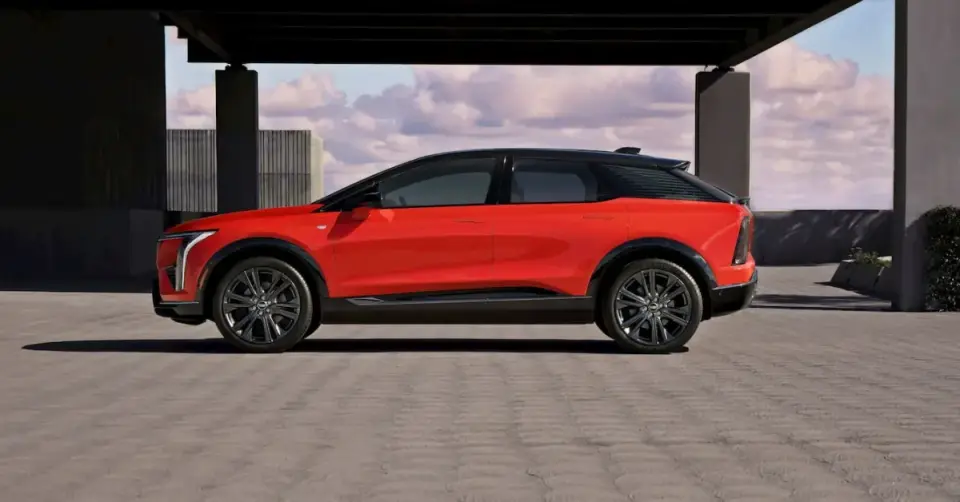
The National Highway Traffic Safety Administration (NHTSA) has expanded its investigation into General Motors vehicles to include over 1.16 million units after receiving new complaints about brake assist failures. The probe, which began in April 2026 with the Cadillac Lyriq, now covers multiple EVs and models built for Honda and Acura. GM attributes the issue to spindle fractures in the eBoost system, but new reports suggest the failure occurs immediately rather than after the vehicle stops.
Key points
- NHTSA’s Office of Defects Investigation moved the case from a preliminary evaluation to an engineering analysis.
- The expanded scope includes 2023-2026 Cadillac Lyriq, Chevrolet Equinox EV, and GMC Canyon, among others.
- The investigation also covers 2024-2026 Acura ZDX and Honda Prologue models equipped with GM’s eBoost system.
- GM stated that anti-lock brakes and stability control remain functional until the vehicle stops, but new complaints contradict this.
- The issue has resulted in 745 incidents, including 22 crashes or fires, with five injuries reported.
Background
This development follows a separate NHTSA probe into GM’s L87 V-8 engine, which affected nearly 1 million vehicles due to post-repair failures. That investigation, detailed in our August 2026 archive, highlighted ongoing safety concerns with GM’s powertrain components and the effectiveness of previous remedies. The current brake assist issue represents a distinct but parallel safety challenge for the automaker.
Why it matters
The expansion of the investigation to include vehicles built for Honda and Acura indicates a systemic issue with GM’s eBoost technology rather than a model-specific defect. The discrepancy between GM’s initial explanation and new driver reports suggests the safety risk may be more severe than previously acknowledged, potentially leading to a broader recall and significant reputational damage for GM.
What to watch
NHTSA will conduct an engineering analysis to determine the root cause of the immediate brake assist loss. GM may be required to issue a formal recall if the investigation confirms a widespread defect. Owners of the affected models should monitor NHTSA updates and contact their dealerships for potential safety inspections.
- Over 1.1 million GM vehicles, including EVs, are under NHTSA investigation Electrek
- Even The Feds Are Fed-Up With GM's Excessive V8 Engine Failures CarBuzz
- NHTSA Opens Investigation Into GM V-8s That Won’t Stop Imploding, Despite Receiving Recall Remedy Car and Driver
- GM Faces Safety Probe Over Engine-Failure Concerns in Nearly One Million Vehicles WSJ
- Brake problems in GM EVs draw greater federal scrutiny TechCrunch
Want the full story? Read the original reporting
Read on Electrek