
Record Fuel Costs and New Charging Networks Drive Shift in US EV Sentiment
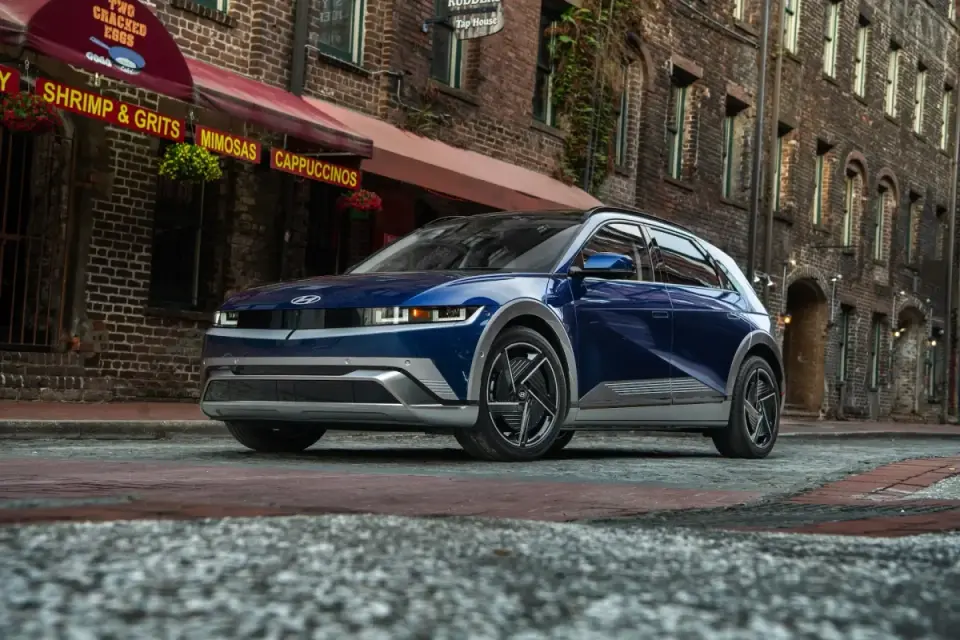
A 2026 study by HERE Technologies and SBD Automotive reveals that 56% of US drivers now consider electric vehicles (EVs) due to high fuel costs. While new EV sales remain down year-over-year, consumer confidence is rising as public charging infrastructure expands and used EV prices stabilize. The shift is driven by practical economic factors rather than environmental concerns, with hybrids also gaining market share.
Key points
- 56% of US drivers report increased interest in EVs due to high gas prices, up from previous years.
- 47% of drivers now view public charging availability as adequate, a significant jump from 28% in 2025.
- US EV market share stands at 5.37% year-to-date, down nearly 3% from 2025, but sales are stabilizing.
- 77% of current EV owners intend to replace their vehicle with another EV, indicating high retention.
- Price remains the primary barrier, with 40% of drivers citing cost as a deterrent, though value perception is improving.
Background
Gas prices have remained elevated throughout 2026, reaching record highs in late September due to the ongoing conflict with Iran. Diesel prices surpassed $6 per gallon, while gasoline averaged over $4.10. These spikes, combined with the cancellation of the federal $7,500 EV tax credit earlier in the year, created a volatile market. While new EV sales crashed in late 2025, used EV prices have recently risen, and hybrid adoption has surged, suggesting a broader shift away from traditional internal combustion engines.
How outlets are covering it
The Drive emphasizes that the Iran war is paradoxically reviving EV interest by making gasoline prohibitively expensive, noting that used EV sales are a bright spot despite new sales slumping. The Pittsburgh Post-Gazette highlights regional disparities, noting that while national demand is rebounding, the Pittsburgh area has been slower to adopt EVs, though its market share rose from 2.3% to 3.3% in the second quarter of 2026. CleanTechnica argues that consumer confidence is the key metric, pointing out that while full EV sales stalled, interest in hybrids and plug-in hybrids is growing. It also notes that convenience store charging networks are becoming critical for adoption. Wood Mackenzie focuses on the macroeconomic impact, suggesting that sustained high oil prices could accelerate the transition to electric mobility despite current political headwinds.
Why it matters
The data indicates a potential turning point in the US EV market. Despite the loss of federal incentives, rising fuel costs are forcing consumers to reconsider their purchasing decisions. The expansion of charging infrastructure, particularly by non-traditional players like Walmart and convenience stores, is reducing range anxiety and making EVs more practical for daily use. This shift in consumer sentiment could lead to a gradual recovery in EV sales, driven by economic necessity rather than environmental policy.
What to watch
Analysts expect EV market share to reach 6% by the end of 2026. Automakers like Ford and Toyota are introducing more affordable models to address price concerns. The expansion of charging networks in rural and suburban areas will be crucial for overcoming remaining barriers. If gas prices remain high, the limited supply of used EVs may force more consumers to purchase new electric vehicles, potentially stabilizing the market.
- Suddenly 56% of Drivers Say High Gas Prices Have Them Interested in EVs The Drive
- Could EVs be on the rebound after the post-rebate cliff? Inquirer.com
- Pittsburgh is slow to embrace EVs. But demand is growing elsewhere. Pittsburgh Post-Gazette
- Consumer Confidence Can Move The Needle On EV Sales CleanTechnica
- High oil prices raise prospect of accelerated EV sales Wood Mackenzie
Want the full story? Read the original reporting
Read on The Drive