Tag

Charging Infrastructure

All articles tagged with #charging infrastructure

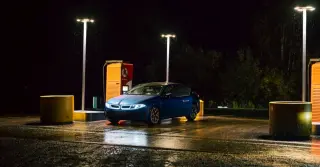
BMW i3 sets European efficiency record with 3,658-mile journey using under 3 hours of charging
automotive12 days ago

BMW i3 sets European efficiency record with 3,658-mile journey using under 3 hours of charging

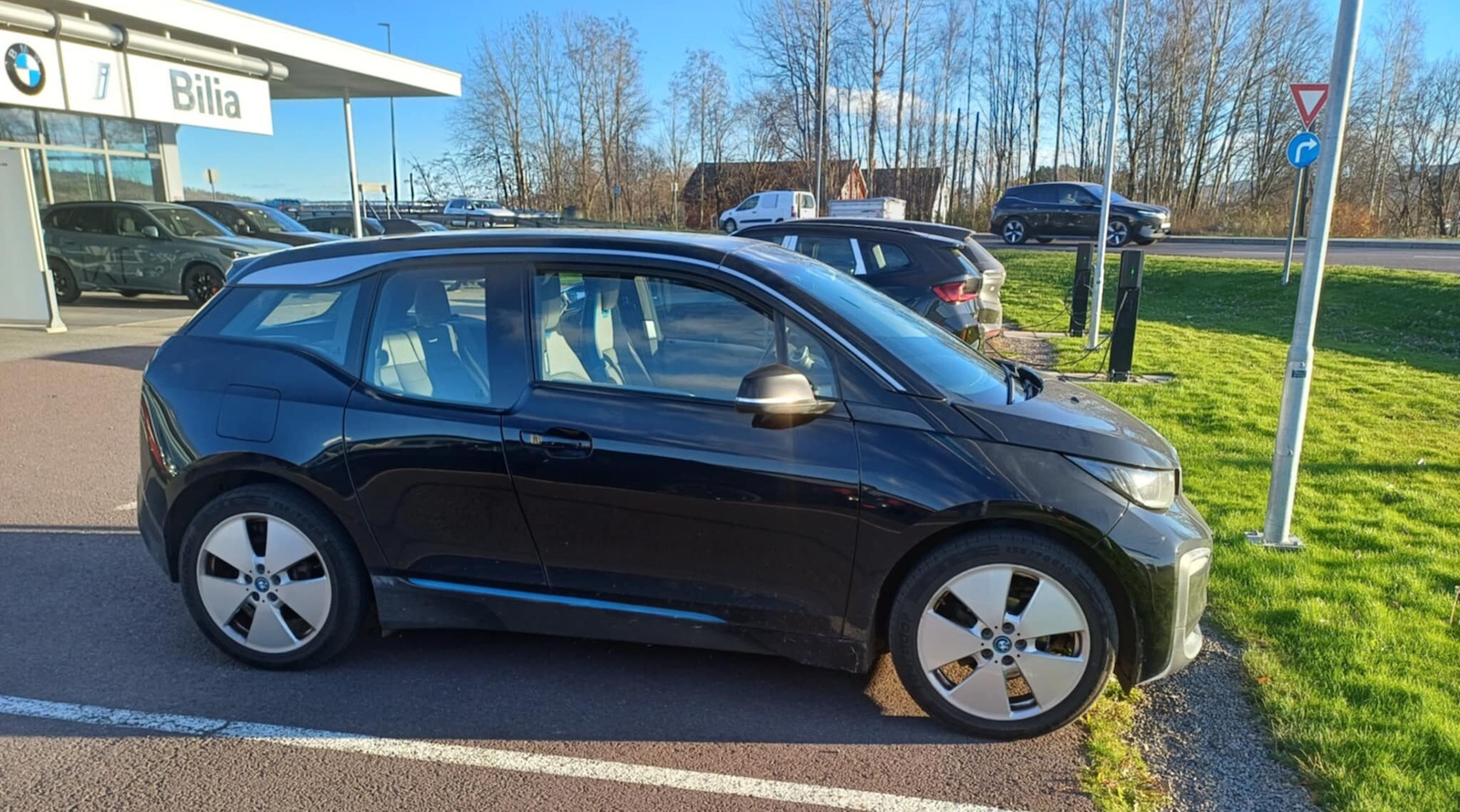
BMW’s new electric i3 50 xDrive completed a 3,658-mile journey across Europe in under three days, spending less than three hours charging. The vehicle achieved an average efficiency of 12.5 kWh per 100 km, significantly outperforming its official ratings. This record demonstrates the capabilities of BMW’s new Neue Klasse platform and 800-volt architecture, which supports charging speeds up to 400 kW. The achievement highlights the potential for long-distance electric travel with current infrastructure, though real-world results may vary based on conditions.

Record Fuel Costs and New Charging Networks Drive Shift in US EV Sentiment
automotive2 months ago

Record Fuel Costs and New Charging Networks Drive Shift in US EV Sentiment

A 2026 study by HERE Technologies and SBD Automotive reveals that 56% of US drivers now consider electric vehicles (EVs) due to high fuel costs. While new EV sales remain down year-over-year, consumer confidence is rising as public charging infrastructure expands and used EV prices stabilize. The shift is driven by practical economic factors rather than environmental concerns, with hybrids also gaining market share.

US Electric Car Market Bounces Back Post-Incentive Amid Policy Debates
automotive-industry4 months ago

US Electric Car Market Bounces Back Post-Incentive Amid Policy Debates

US EV sales rose in Q2 2026 to 247,226 (up 14.7% QoQ) but remain about 20% below the 2025 peak, signaling a market stabilizing after the federal incentive ended. Long-term adoption still looks positive with new models and state incentives helping demand, though BloombergNEF now trims its 2030 outlook to about 17% market share. Cox Automotive puts current US EV share at 5.8%. Infrastructure has expanded to over 250k charging points. Separately, a bipartisan Senate bill would restrict Chinese-connected software and hardware in vehicles, potentially reshaping imports and advantaging domestic automakers while raising questions about consumer data rights. Overall, the trend is a cautious but ongoing expansion of EVs in the US.

Uber bets $100M on charging network to scale robotaxi push
autos-and-transportation9 months ago

Uber bets $100M on charging network to scale robotaxi push

Uber says it will invest more than $100 million to build autonomous-vehicle charging hubs, deploying DC fast chargers at its depots and along routes in Bay Area, Los Angeles and Dallas, with utilization-guarantee deals with ChargePoint operators (EVgo, Electra, Hubber, Ionity) to roll out hundreds of chargers and accelerate its robotaxi expansion with partners like Waymo and WeRide.

Tesla Model Y vs Gas Cars: A Year-Long Cost Comparison
automotive2 years ago

Tesla Model Y vs Gas Cars: A Year-Long Cost Comparison

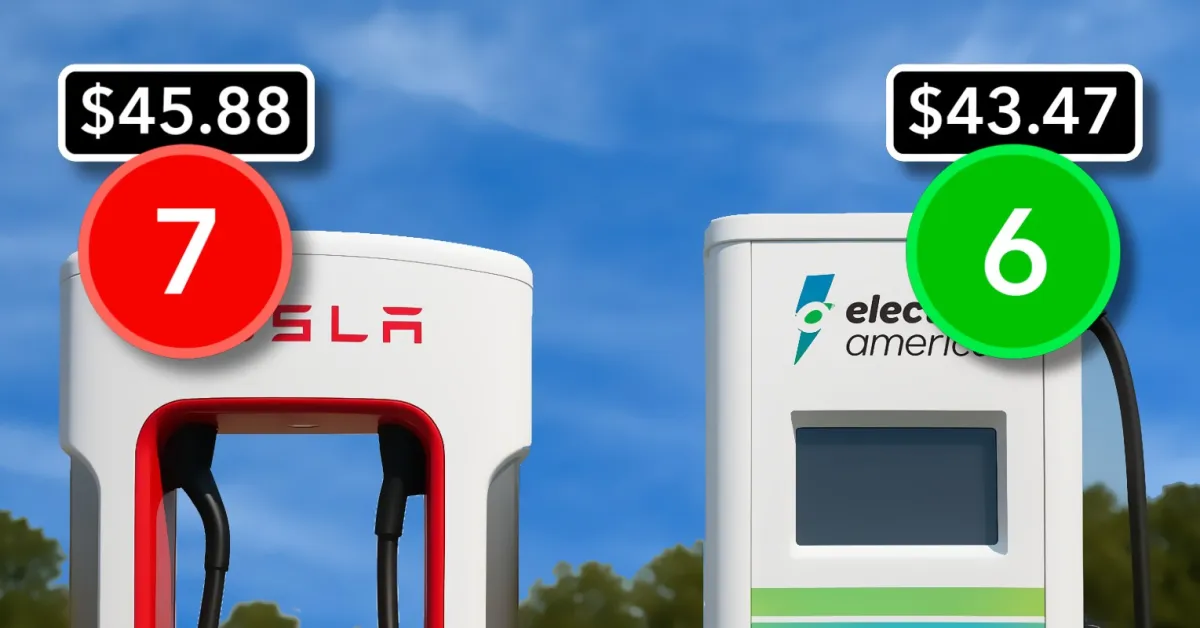
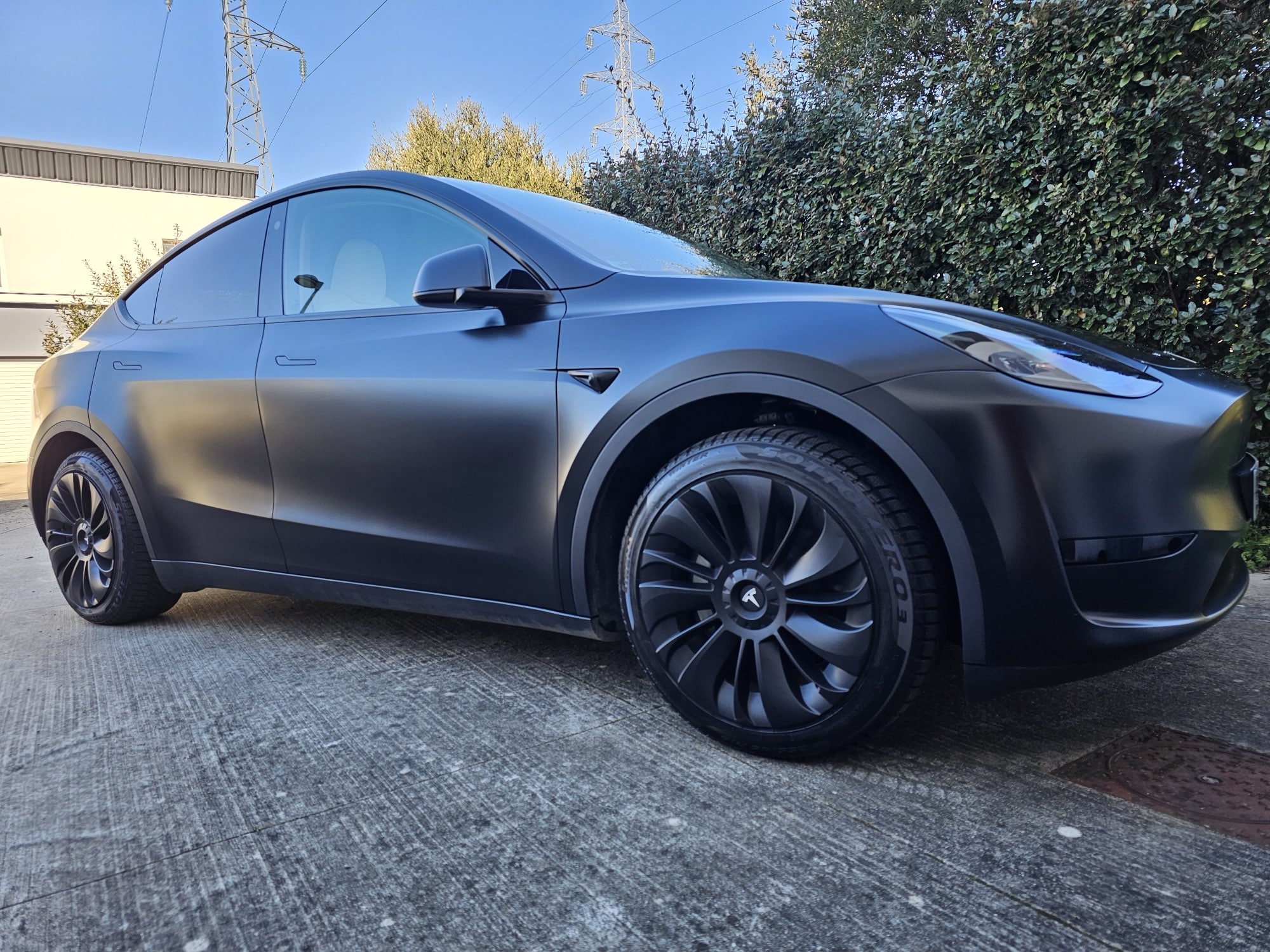
After driving a Tesla Model Y for a year and 30,000 kilometers, the author found it to be cost-effective compared to gas cars, saving €1,650 annually in fuel costs. Home charging proved significantly cheaper than public options, though real-world energy consumption was higher than Tesla's estimates. Despite some challenges with public charging infrastructure and higher upfront costs, the Model Y offered substantial savings in maintenance and fuel, making it a viable option for high-mileage drivers.

"Poll: Less Than Half of Americans Interested in EVs Despite Biden's Push"
automotive2 years ago

"Poll: Less Than Half of Americans Interested in EVs Despite Biden's Push"

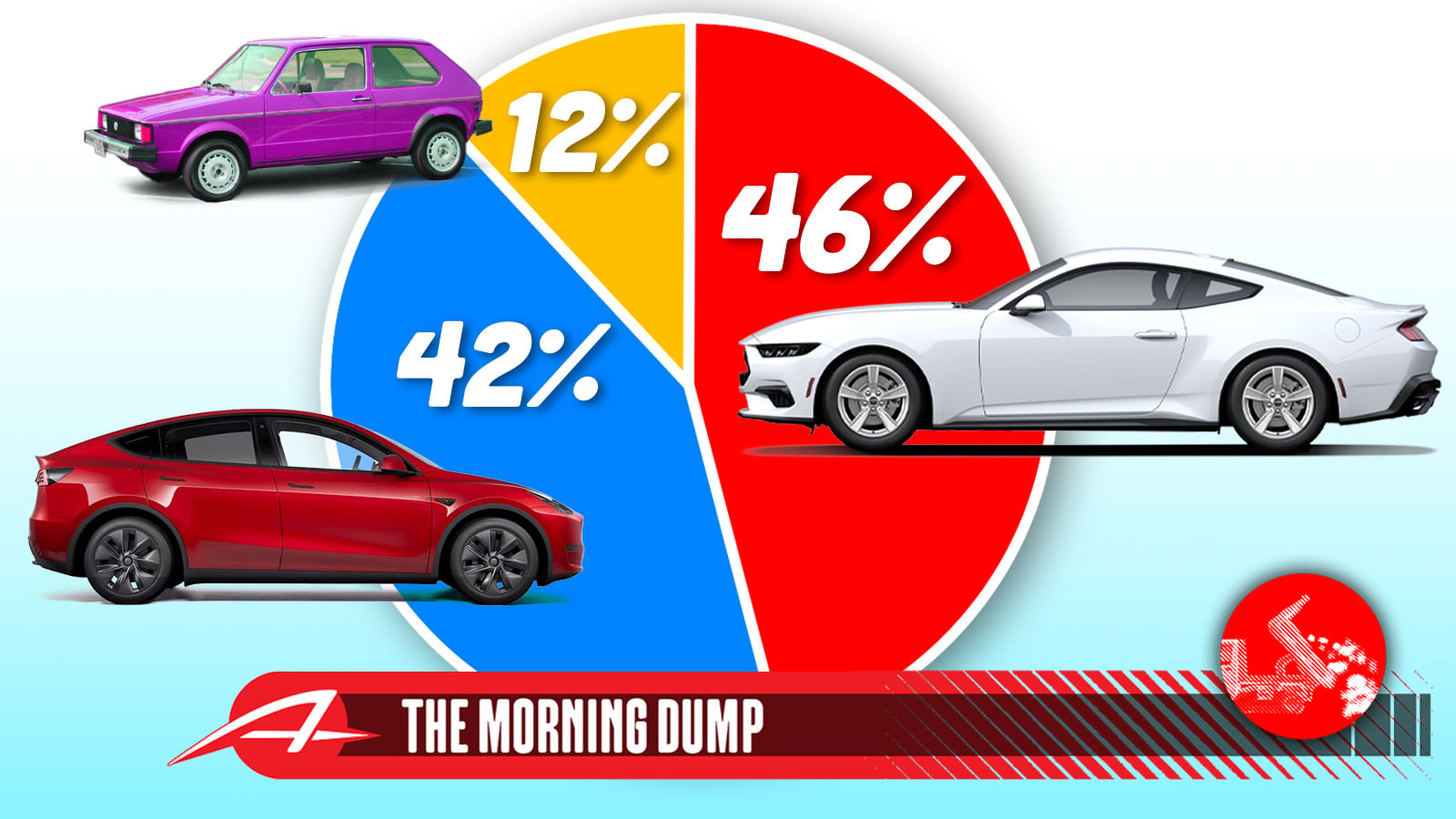
A recent poll by the Associated Press indicates that less than half of Americans are interested in purchasing an electric vehicle (EV), with only 4-in-10 somewhat likely to buy one. The main concerns are cost, range, and lack of charging stations. Plug-in hybrids appear to be a more attractive option for many. Despite President Biden's push for increased EV sales, resistance remains due to these factors. The poll also reveals that a significant number of Americans would consider buying a cheaper Chinese-made EV over a more expensive U.S.-made one.

"Americans Favor Gas Cars Over EVs Despite Push for Electrification"
automotive2 years ago

"Americans Favor Gas Cars Over EVs Despite Push for Electrification"

Despite President Biden's push for increased electric vehicle (EV) adoption, many Americans remain hesitant due to high costs and insufficient charging infrastructure, according to an AP-NORC/EPIC poll. Only 21% of U.S. adults are very likely to buy an EV for their next car, with range anxiety and charging time being significant concerns. The poll highlights generational differences, with younger people more open to EVs than older adults.

"Rivian Owners Gain Access to Tesla Supercharger Network"
automotivetech2 years ago

"Rivian Owners Gain Access to Tesla Supercharger Network"

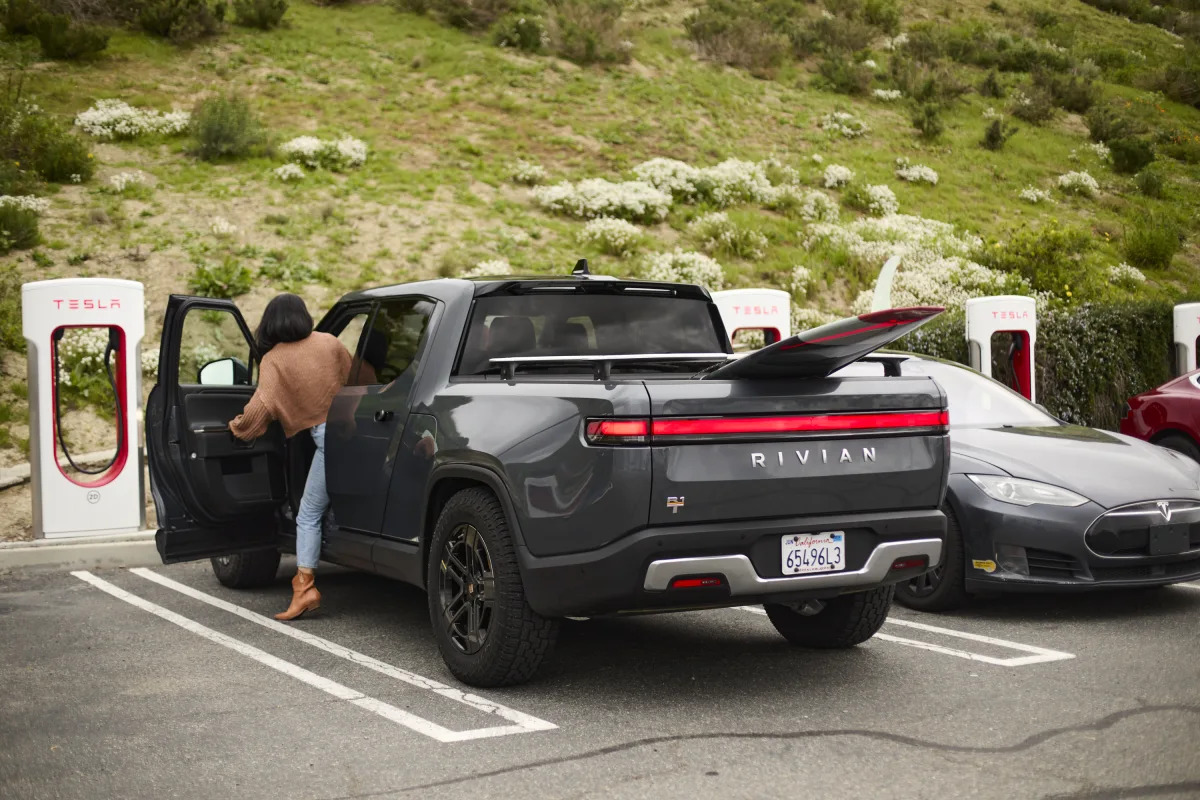
Rivian owners can now access Tesla's Supercharger network using a complimentary adapter issued by Rivian or a certified adapter, allowing them to charge their electric vehicles at over 15,000 Tesla Superchargers in the United States and Canada. This move follows a similar deal between Tesla and Ford, with Rivian's upcoming R2 and R3 vehicles set to have the Tesla NACS inlet plug as standard.

"Tesla's Supercharger Network Opens to Ford and Other EV Owners, Creating New Revenue Stream"
automotivetech2 years ago

"Tesla's Supercharger Network Opens to Ford and Other EV Owners, Creating New Revenue Stream"

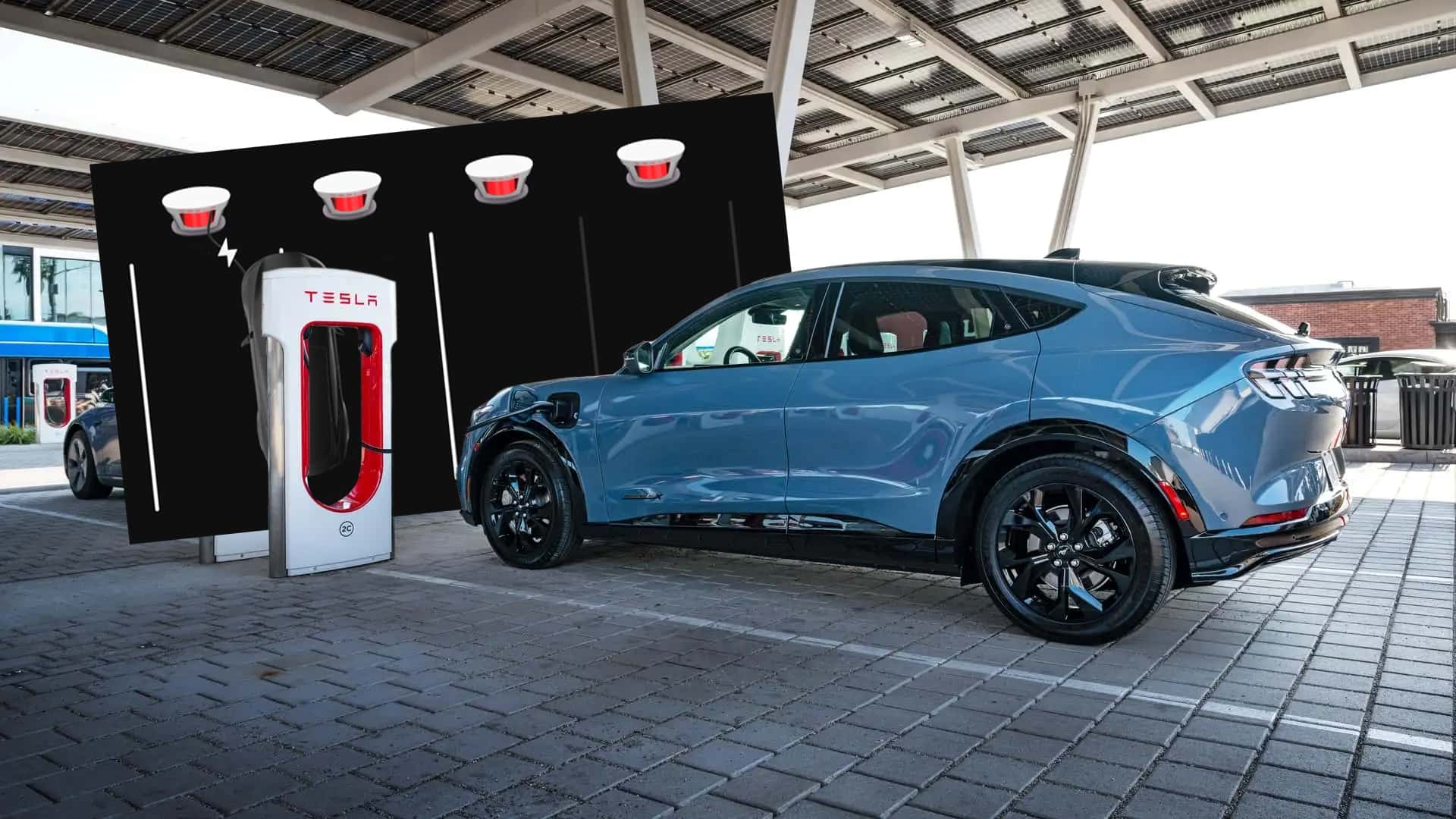
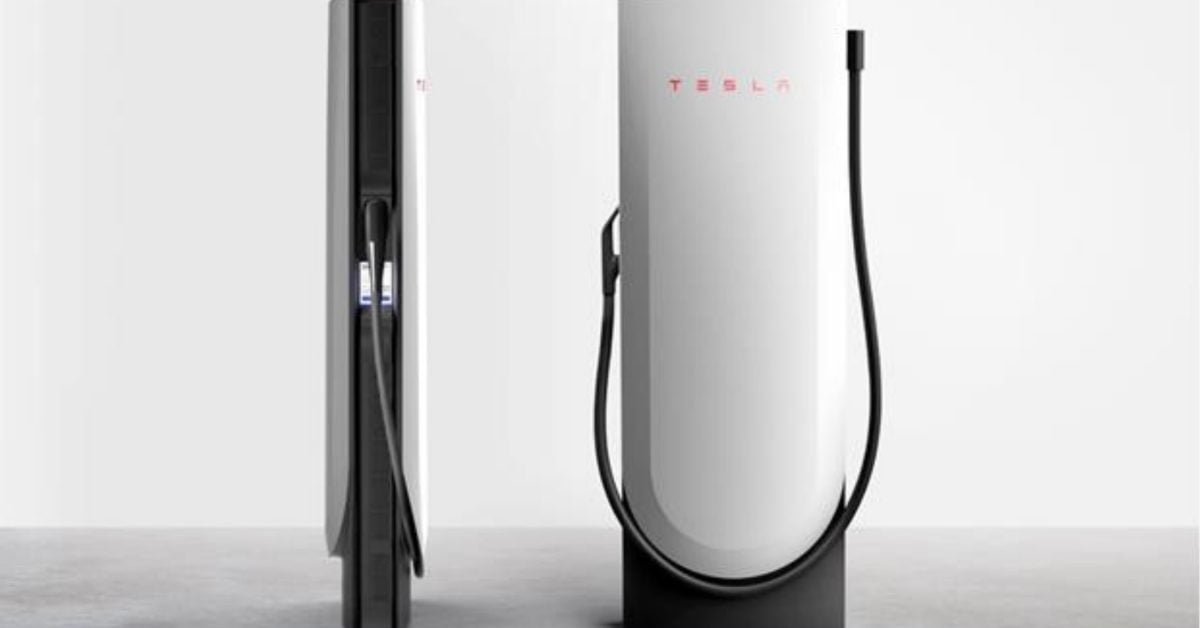
Ford's EV customers can now use Tesla's Supercharging network, but the short length of Tesla's Supercharger cables means non-Tesla vehicles might have to double-park charging stalls, causing potential inconvenience and reduced capacity at Supercharger locations. Tesla is working to resolve this issue with new "v4" Superchargers, but the problem persists at existing locations. As more non-Tesla vehicles gain access to the Supercharging network, Tesla owners may face growing pains at busy Supercharger locations, potentially impacting the network's reliability and accessibility.

"Tesla's Supercharger Network: Opening to Ford and Other EVs for Profitable Partnerships"
business-electric-vehicles2 years ago

"Tesla's Supercharger Network: Opening to Ford and Other EVs for Profitable Partnerships"

Tesla's decision to open its Supercharger network to other automakers is not only a strategic move for EV adoption, but also a smart business decision. By charging non-Tesla EV owners a 30% premium per kWh of charging at Superchargers, Tesla is offering a $13 per month Supercharging membership to align their charging costs with Tesla owners. With the potential to sell memberships to as many as 1 million EVs in North America alone, Tesla could generate over $1 billion a year in revenue from non-Tesla EVs using the Supercharger network by the end of the decade, contributing to a projected $10 billion annual business by 2030.

"Tesla Opens Supercharger Network to Ford and Other Automakers' EVs"
automotivetech2 years ago

"Tesla Opens Supercharger Network to Ford and Other Automakers' EVs"

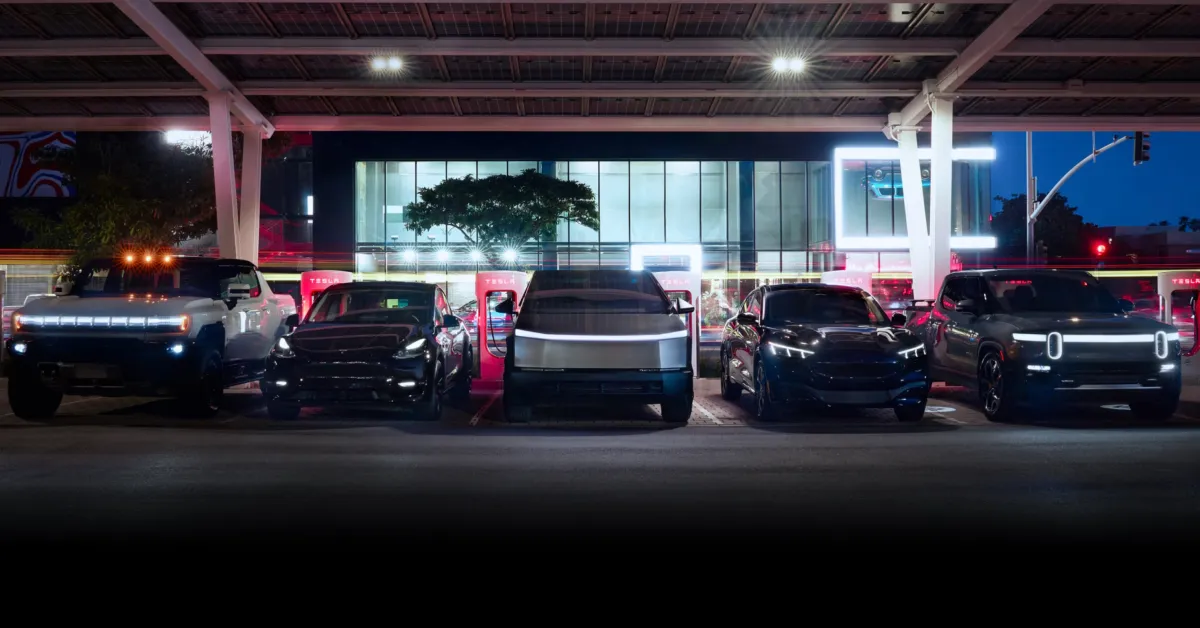
Tesla announces that four new automakers, including Rivian, General Motors, Volvo, and Polestar, will gain access to its Supercharger network in Spring 2024, following the onboarding of Ford EV drivers. This move aligns with Tesla's mission to accelerate the transition to renewable energy, but it may pose challenges as it opens the network to other EVs with different charge port locations.

"Challenges and Realities: Navigating the EV Market's Current Landscape"
automotive2 years ago

"Challenges and Realities: Navigating the EV Market's Current Landscape"

Despite recent price cuts and production adjustments by major automakers, electric vehicle (EV) sales in the United States hit a record high in 2023, surpassing 1 million for the first time. However, the industry is facing challenges such as high vehicle prices, limited body style options, and a lack of public charging infrastructure. Automakers are working to address these issues by collaborating to install more chargers and standardizing charging ports. Complex tax credit rules and leasing incentives are also being utilized to make EVs more accessible to consumers.