
GM Pivots to AI-Driven Autonomy and LMR Batteries Amid EV Market Shifts
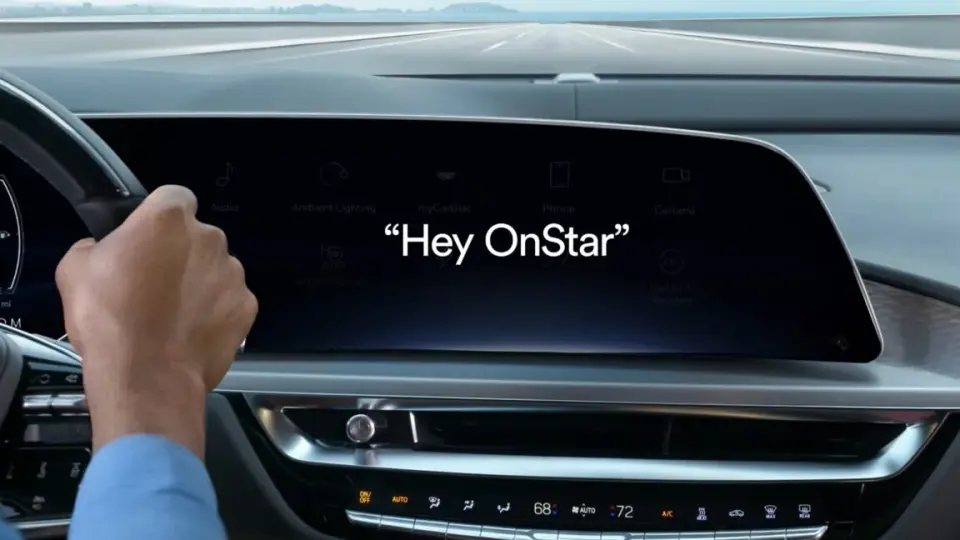
General Motors reaffirmed its commitment to electric vehicles and autonomy at the GM Forward event in New York, countering concerns about a US 'EV malaise.' The company announced the expansion of its hands-free Super Cruise technology across nearly all models, the launch of an AI assistant called OnStar AI, and a new Gen-4 EV architecture using cheaper lithium manganese-rich (LMR) batteries. GM aims to reduce vehicle development time by half and position its cars as trusted personal assistants rather than just transportation tools.
Key points
- GM President Mark Reuss stated the company is not abandoning EVs despite the expiration of US tax credits, noting that one in four global cars sold is now electric.
- The new Gen-4 EV architecture will use LMR batteries, which offer energy density similar to nickel-manganese-cobalt cells but at costs closer to lithium iron phosphate, with volume production starting in 2028 at the Spring Hill, Tennessee plant.
- GM is expanding its 'eyes-off' Super Cruise autonomy to pickups and crossovers, not just the Escalade IQ, testing the technology on 1 million miles per month in virtual and real-world scenarios.
- OnStar AI, launching with 2027 Cadillac Lyriqs, will act as a personal assistant capable of ordering takeout, coordinating family schedules, and explaining vehicle alerts, leveraging end-to-end encryption for privacy.
- GM plans to cut vehicle development time from four to five years to two years by using AI, aiming to match the speed of Chinese competitors while emphasizing safety and trust over rapid, unverified autonomy claims.
Background
GM previously announced the Super Cruise expansion for the Escalade IQ in 2028 and introduced the concept of LMR batteries at last year's Forward event. The company has also faced scrutiny for selling customer data to insurance companies, which GM now addresses through encrypted dashcam video storage that it cannot access.
How outlets are covering it
Ars Technica highlights GM's emphasis on 'trust' as a differentiator, noting that GM executives argue cars are more trusted than smartphones for AI interactions. WIRED focuses on the societal implications of autonomous errands, questioning if this will increase road congestion, while also criticizing GM's current infotainment software and EULA practices. Car and Driver contrasts GM's LMR battery strategy with Ford's licensed LFP cells, noting GM's higher investment in R&D and its focus on mainstream crossover segments rather than compact pickups.
Why it matters
GM's strategy signals a shift from pure EV hardware to software-defined, AI-integrated vehicles, potentially influencing consumer adoption rates in the US market. The cost reduction from LMR batteries could make EVs more competitive with internal combustion engines, while the focus on trust and privacy may address lingering consumer skepticism about autonomous technology.
What to watch
GM expects volume production of LMR batteries to begin in 2028, with OnStar AI rolling out in 2027 models. The company will continue testing Super Cruise on 1 million miles monthly, with no specific timeline given for full level 4 autonomy, prioritizing safety and 'roadcraft' over rapid deployment.
- Forget “Malaise 2.0,” GM says it’s still all-in on EVs and autonomy Ars Technica
- Future EVs from GM and Ford Travel Parallel Paths Car and Driver
- GM Aims to Bring ‘Eyes-Off’ Driving to AI-Powered Cars Within 2 Years The New York Times
- GM simulated 300,000 EV battery designs before building a single cell. Now comes the physical part Fortune
- GM Wants Your Car to Do Your Chores WIRED
Want the full story? Read the original reporting
Read on Ars Technica