
Tesla Extends Cybertruck Production to Summer 2027 Amid Owner Backlash and Industry Shift
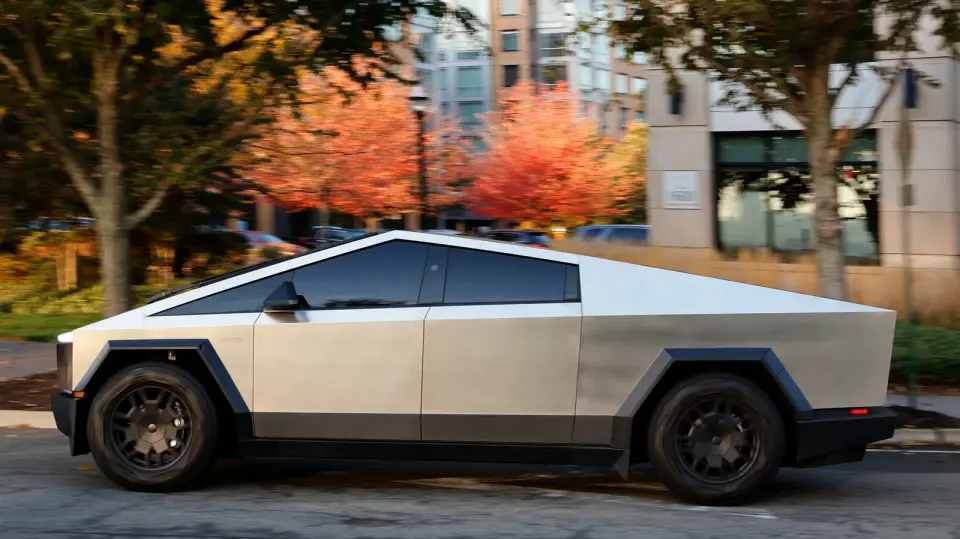
Elon Musk has extended the production window for the Tesla Cybertruck to the end of summer 2027, reversing his earlier mid-2027 deadline. This decision aims to clear a backlog of orders, though Musk acknowledged it is not the most profitable move. The announcement has triggered significant backlash from loyal owners who feel betrayed by the discontinuation, while industry analysts view the move as part of a broader trend away from large, heavy electric vehicles toward smaller, more affordable models.
Key points
- Musk announced on X that Tesla will continue manufacturing the Cybertruck through the end of summer 2027, extending the timeline by several months from his initial mid-2027 estimate.
- Musk stated that Tesla must return deposits for many customers because the order rate far exceeds production capacity, despite the vehicle's weak sales performance.
- The only currently available version is the premium Cyberbeast model, priced at approximately $112,000, which has frustrated potential buyers.
- Owners have expressed feelings of betrayal and disappointment, with some launching petitions and demanding explanations for the discontinuation.
- Industry observers note that the Cybertruck's end reflects a wider market shift away from large electric trucks, with Ford canceling its F-150 Lightning and other automakers focusing on smaller, cheaper EVs.
Background
The Cybertruck was launched in November 2023 as an electric rival to traditional gas-powered pickups. Sales have consistently fallen short of Musk's initial projections, with annual sales dropping to roughly 20,000 units in 2025. The vehicle has faced numerous recalls, inflated pricing, and delayed deliveries. Tesla has previously discontinued the Model S and Model X, narrowing its lineup to the Model 3, Model Y, and the Cybertruck. The company has been pivoting toward autonomous vehicles, specifically the two-seater Cybercab robotaxi, which uses a significantly smaller battery than the Cybertruck.
How outlets are covering it
Jalopnik and Wired focused heavily on the emotional reaction of Cybertruck owners, highlighting feelings of betrayal and disappointment. Wired reported that owners like Michael Goldman and Troy Meekhof feel Tesla abandoned them in favor of autonomous vehicles, with Meekhof launching a petition that gathered over 5,000 signatures. CBS News emphasized the logistical aspect, noting that Musk extended production to clear the backlog but acknowledged that many deposits would be returned. Mother Jones offered a broader industry perspective, arguing that the end of the Cybertruck is positive for the EV market as it signals a shift away from large, heavy vehicles with massive batteries toward smaller, more affordable models. Mother Jones noted that the Cybertruck's 123 kilowatt-hour battery is significantly larger than those in newer, smaller EVs, and that the trend is moving toward extended-range models and compact electric pickups.
Why it matters
The Cybertruck's discontinuation marks a significant shift in Tesla's strategy and the broader EV market. It highlights the challenges of large, heavy electric vehicles in a market that is increasingly favoring smaller, more affordable models. The backlash from owners also raises questions about Tesla's relationship with its customer base and its pivot toward autonomous vehicles. The move may also impact the resale value of existing Cybertrucks and the availability of parts and service for the vehicle.
What to watch
Tesla will continue to produce the Cybertruck through the end of summer 2027, after which production will cease. Musk has indicated that many customer deposits will be returned due to production constraints. The company will likely focus on increasing production of the Cybercab robotaxi. Owners are expected to continue voicing their dissatisfaction, and the market will likely see a continued shift toward smaller, more affordable electric vehicles.
- 'Worst Possible News': Cybertruck Fans Melt Down After Tesla Cancels Its Wheeled Electric Dumpster Jalopnik
- Tesla extending Cybertruck production through summer 2027 to clear backlog, Elon Musk says CBS News
- ‘Call Him Out’: Cybertruck Loyalists Are in Mourning—and They Want Answers From Elon Musk WIRED
- The Death of the Cybertruck Is Actually Great News for the Electric Vehicle Market Mother Jones
- Tesla Cybertruck resale value in 2026: 3 things sellers need to know, per myEV qz.com
Want the full story? Read the original reporting
Read on Jalopnik