
VW Group Admits EV Sales Are Eroding Profits Amid Tariff and China Pressures
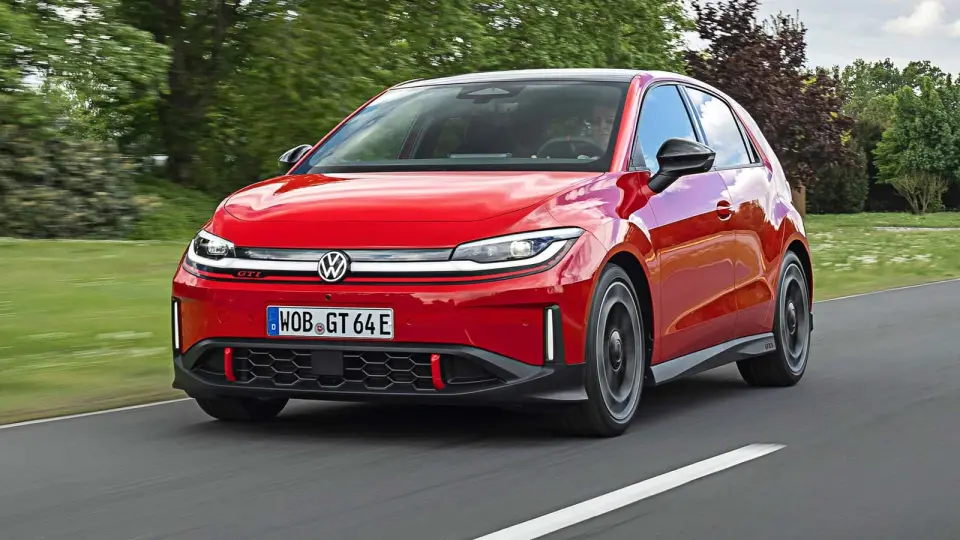
Volkswagen Group’s nine-month results reveal that while electric vehicle (EV) demand is rising, these sales are generating significantly lower profits than combustion-engine cars. CFO Arno Antlitz confirmed that the shift to EVs is squeezing margins, exacerbated by U.S. tariffs, aggressive Chinese pricing, and a shrinking Chinese market. To address this, the group is launching a €31 billion cost-cutting program, potentially cutting up to 100,000 jobs and retiring half of its model lineup. The company faces a regulatory dilemma: it must sell more low-margin EVs to meet EU emissions targets and avoid fines, even though these vehicles hurt overall profitability.
Key points
- VW Group’s operating return on sales after nine months is just 3.8%, meaning less than €4 profit per €100 in revenue.
- EVs accounted for 40% of the group’s order book in Europe, with the Electric Urban Car Family securing approximately 150,000 orders.
- The upcoming ID. Every1, expected in 2027, aims to be the brand’s cheapest EV but risks razor-thin margins.
- The group is targeting around 100,000 job cuts and may phase out the SEAT brand as part of its restructuring.
- Production allocations for four German plants (Emden, Zwickau, Hanover, Neckarsulm) are uncertain beyond 2031-2034.
Background
This profitability crisis follows recent operational challenges, including a global recall of 2.86 million vehicles in September 2026 due to a corroding steering bolt. Additionally, the group’s luxury division, Bentley, launched its first EV, the Torcal, in September 2026, signaling a continued push into electrification despite the broader margin pressures.
Why it matters
The admission that EVs are less profitable than combustion engines highlights a critical structural issue in the automotive transition. VW’s struggle illustrates the tension between regulatory compliance (EU emissions targets) and financial sustainability. If the industry cannot achieve profitability in EVs, it may slow the pace of electrification, potentially impacting climate goals and forcing automakers to rely on drastic cost-cutting and workforce reductions to survive.
What to watch
VW Group will implement its €31 billion cost-saving plan, focusing on simplifying the model range and improving factory efficiency. The company will likely announce decisions regarding the SEAT brand and the future of its four German plants. The production version of the ID. Every1 is expected to launch in 2027, serving as a key test for affordable EV profitability.
- The Volkswagen Group Says The Quiet Part Out Loud: EVs Are Still Less Profitable Than Gas Cars Motor1.com
- Volkswagen ‘Must Act Quickly’ After Largest Loss in Over a Decade The New York Times
- Volkswagen posts deepest loss since Dieselgate on Porsche writedown, China woes Reuters
- Volkswagen Swings to Loss After Writedown, China Market Slump Bloomberg.com
- VW loss widens in Q3, raising restructuring stakes Automotive News
Want the full story? Read the original reporting
Read on Motor1.com