
Fed Holds Rates at 3.75% Amid Strong Growth and Inflation Concerns
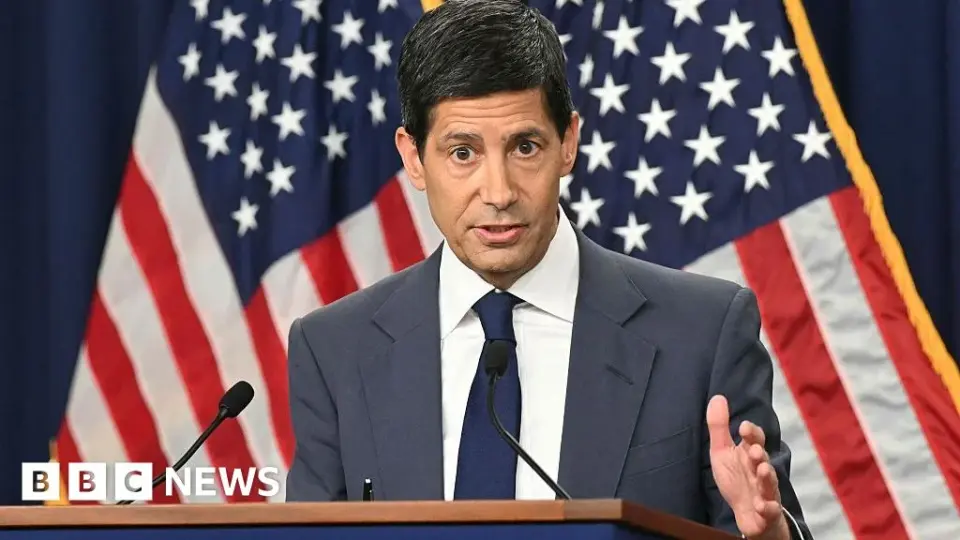
The Federal Reserve maintained its benchmark interest rate at 3.75%-4.0% on October 28, 2026, despite inflation remaining above its 2% target. The decision, which followed a rate hike in September, was driven by strong economic growth and a desire to gather more data before further action. Two committee members dissented, favoring an immediate rate increase.
Key points
- The Federal Open Market Committee voted 10-2 to keep the federal funds rate unchanged at 3.75%-4.0%.
- US GDP growth accelerated to 3.4% annualized in Q3 2026, driven by consumer spending and a 19.4% surge in private investment, largely attributed to AI.
- Inflation rose to 3.7% year-over-year in September, exceeding the Fed's 2% target, with energy prices from the Iran conflict contributing to the increase.
- Fed Chair Kevin Warsh stated that monetary policy is 'starting to work' but declined to predict future rate moves, citing the need for more economic data.
- The next FOMC meeting is scheduled for December 8-9, 2026, with markets expecting a potential rate hike.
Background
This decision follows a 25-basis-point rate hike in September 2026, the first increase in three years. Recent data showed PCE inflation at 3.6% and core PCE at 3.1% in September, alongside robust Q3 GDP growth. The Fed's current stance contrasts with the European Central Bank, which also held rates steady at 2.5% amid rising inflation. Historically, US rates have fluctuated significantly, reaching 0%-0.25% during the pandemic and peaking at 5.25%-5.0% in 2023-2024 before recent adjustments.
How outlets are covering it
BBC and Fox Business both report the 10-2 vote to hold rates, with Lisa Cook and Beth Hammack dissenting in favor of a hike. BBC emphasizes the strong 3.4% GDP growth and 19.4% investment surge, while Fox Business highlights Warsh's assertion that 'politics played no role' in the decision despite the upcoming midterm elections. Fox Business notes market expectations for a December hike, with CME FedWatch tools showing an 82.6% probability of a 25-basis-point increase. Both sources agree that inflation remains above the 2% target, but Fox Business places greater emphasis on Warsh's comments regarding the 2027 FOMC calendar changes and strategic deliberations.
Why it matters
The Fed's decision to hold rates steady affects borrowing costs for mortgages, credit cards, and business loans, potentially influencing consumer spending and investment. With inflation above target and strong economic growth, the Fed's cautious approach may lead to further rate hikes in December, impacting financial markets and household budgets. The dissenting votes suggest internal debate over the pace of monetary tightening, which could affect future policy decisions and economic stability.
What to watch
The Federal Reserve will hold its next meeting on December 8-9, 2026. Markets anticipate a potential 25-basis-point rate hike, with probabilities rising to 82.6% after the October decision. Warsh indicated that more economic data will be available before the next meeting, which may influence the policy stance. The FOMC also announced changes to its 2027 meeting schedule, with one meeting dedicated to strategic discussions rather than rate decisions.
- What is happening with US interest rates and the economy? BBC
- The Fed Risks Falling Behind in its Inflation Fight The New York Times
- Did the Fed make a mistake with its October rate pause? The Treasury could help save the day. MarketWatch
- Federal Reserve makes interest rate decision ahead of midterms Fox Business
- Kevin Warsh’s Judicious Pre-Election Pause WSJ
Want the full story? Read the original reporting
Read on BBC