
FAA Certifies 737 MAX 7, Then Orders Inspections on 1,429 Jets Over Factory Scratches
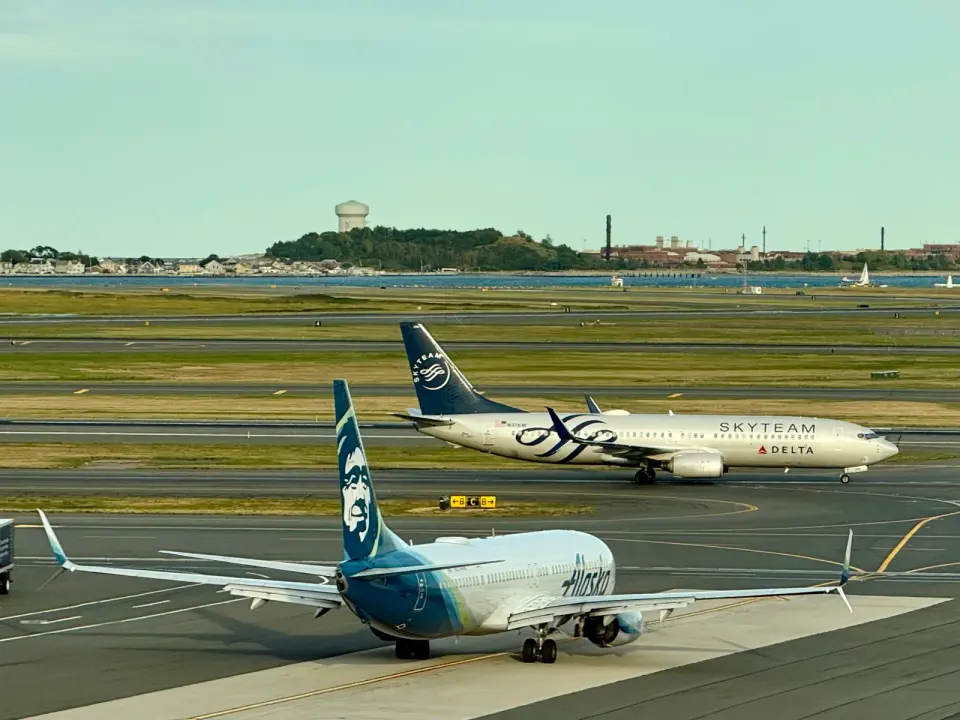
The FAA certified the Boeing 737 MAX 7 on August 3, 2026, ending a nine-year review. However, two days later, the agency issued an airworthiness directive requiring crack inspections on approximately 1,429 MAX 8, 9, and 8200 aircraft due to manufacturing defects found in a structural component.
Key points
- FAA granted the amended type certificate for the 737 MAX 7 on August 3, 2026, following a certification process that began in 2018.
- The certification required revisions to flight-control software, the flight crew alerting system, and the engine anti-ice system to address overheating risks.
- On August 5, 2026, the FAA issued airworthiness directive 2026-15-11, ordering structural inspections on 1,429 aircraft, including 471 in the US.
- The directive targets the 'bear strap,' a metal reinforcement at the forward galley door cutout, where cracks were found on older 737 NG models.
- Boeing engineers identified surface scratches on the bear strap caused by sealant removal during the manufacturing bonding process, indicating a production quality failure.
- No cracks have been found on 737 MAX aircraft in service, but the FAA extended the inspection order due to shared design and build processes with the NG series.
Background
This development follows a period of scrutiny regarding Boeing's manufacturing quality, including the January 2024 incident involving a door plug on an Alaska Airlines 737-9. Boeing acquired Spirit Aerosystems to bring component manufacturing in-house after previous build issues. The 737 MAX family has faced prior safety concerns, including the MCAS software issues that led to two fatal crashes, though the current issue is unrelated to that system.
How outlets are covering it
Boeing Commercial Airplanes CEO Stephanie Pope emphasized the rigor of the design and the resilience of the development team, highlighting the successful completion of the certification process after a pandemic and regulatory changes. In contrast, Live and Let's Fly noted that while the certification was a significant achievement, the subsequent airworthiness directive revealed a troubling production quality issue. The outlet argued that the scratches were a manufacturing defect rather than a design flaw, but it highlighted the irony of Boeing facing a new safety concern shortly after a major certification milestone. Boeing Newsroom focused on the technical improvements and the readiness for delivery, while Live and Let's Fly emphasized the impact on operators like Southwest Airlines, which has had to reorganize its strategy due to delays.
Why it matters
The incident underscores ongoing concerns about Boeing's manufacturing quality and the FAA's vigilance in monitoring the 737 MAX family. While no cracks have been found on MAX aircraft, the directive highlights the importance of production quality in aviation safety. For operators like Southwest Airlines, the delay in receiving the MAX 7 and the need for inspections on existing MAX 8 and 9 aircraft could impact fleet planning and operational efficiency. The event also reflects the broader challenges Boeing faces in restoring confidence in its 737 MAX program after previous safety incidents.
What to watch
Boeing and Southwest Airlines are preparing for the first delivery of the 737 MAX 7, expected in 2027. Southwest will need approximately six months after certification to integrate the aircraft into its operations. The FAA will monitor the inspection results for the 1,429 affected aircraft, with the directive allowing checks to be performed on a schedule rather than grounding the planes. Boeing is also working to certify the 737 MAX 10 later in 2026.
- Boeing’s Win Lasted Exactly Two Days Live and Let's Fly
- Boeing’s Smallest 737 Jet Wins F.A.A. Approval The New York Times
- Boeing (NYSE:BA) Shows Operational Acceleration Ahead of Max 7 Rollout Yahoo Finance
- U.S. FAA certifies new Boeing 737-7 airplane Boeing Newsroom
- Boeing Stock Gets Rare Double Upgrade and FFA Certification of 737 MAX 7 Barron's
Want the full story? Read the original reporting
Read on Live and Let's Fly