
Phoenix ATC Averts Collision After Two American Jets Share Callsign
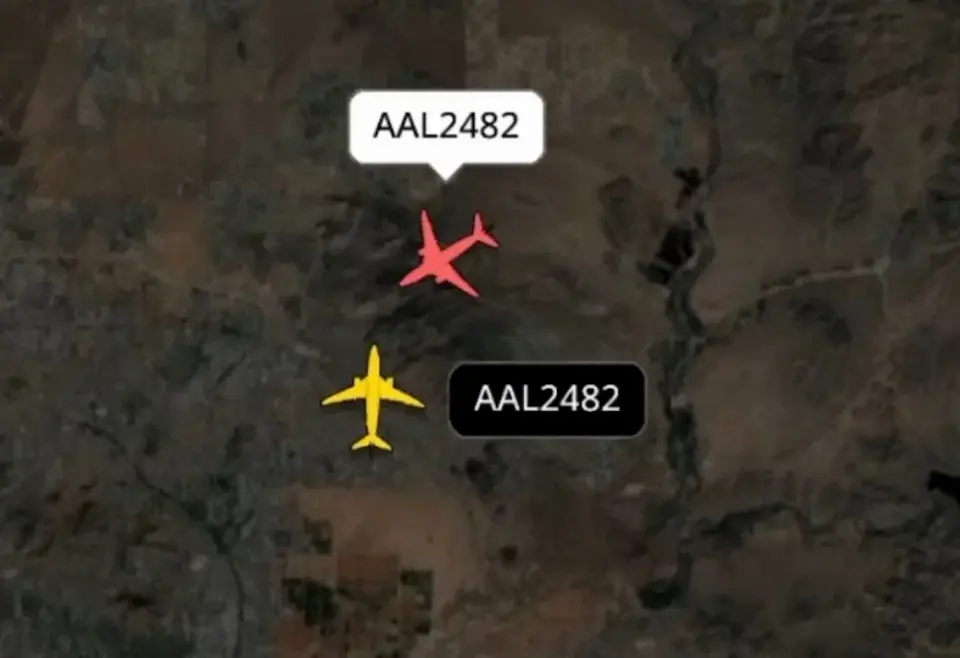
Two American Airlines Boeing 737-800s operating flight AA2482 in opposite directions between Chicago and Phoenix ended up on the same air traffic control frequency with identical callsigns late on August 13, 2026. The inbound flight was significantly delayed, while the outbound departed on time. A controller with 25 years of experience recognized the conflict and manually separated the aircraft, preventing a potential mid-air collision. The FAA is investigating the operational failure that allowed the duplicate callsign to occur.
Key points
- The incident occurred around midnight at Phoenix Sky Harbor International Airport.
- Flight AA2482 from Chicago arrived at 12:13 AM, well behind its 10:43 PM schedule.
- The return flight AA2482 from Phoenix departed at 11:58 PM, roughly on time.
- Both aircraft used the same callsign, 'American 2482,' on the same frequency.
- The air traffic controller clarified the situation by distinguishing between the arrival and departure.
- The FAA confirmed the aircraft maintained required separation and continued without incident.
Background
This incident highlights a known risk in airline operations where the same flight number is used for both directions of a route. Typically, if both flights are in the air simultaneously, one is assigned a modified callsign (a 'stub') to avoid confusion. This practice is standard in the U.S. but less common elsewhere, where unique alphanumeric callsigns are the norm. Previous coverage noted that such near-misses are rare but possible due to system limitations or human error in dispatch.
How outlets are covering it
One Mile at a Time emphasizes the operational failure, questioning why the airline did not assign a modified callsign to the delayed inbound flight. Commenters on that platform suggest the dispatcher may have misidentified Phoenix as a hub rather than a spoke for this specific route, leading to the oversight. AP News and ABC15 Arizona focus on the controller's skill in averting a 'disastrous' outcome, highlighting the 25-year veteran's quick thinking. Yahoo News frames the event as a potentially catastrophic mid-air catastrophe averted by human intervention. While all sources agree on the facts, One Mile at a Time places more blame on airline operations, whereas local news outlets emphasize the safety net provided by air traffic control.
Why it matters
This incident underscores the critical importance of callsign management in aviation safety. It reveals potential gaps in airline dispatch procedures and FAA system checks that could allow duplicate callsigns to exist in the same airspace. The event serves as a reminder that human vigilance remains a vital safeguard against operational errors in a complex and highly regulated industry.
What to watch
The FAA is investigating the incident to determine the root cause of the duplicate callsign. American Airlines is expected to review its dispatch procedures and training to prevent similar occurrences. No further details have been released by officials, and both flights continued their journeys without incident.
- Two American Planes With Same Callsign End Up On Same Frequency, Heading Straight For One Another One Mile at a Time
- 2 planes with the same flight number avoid possible disaster thanks to quick-thinking controller AP News
- Potentially 'disastrous' mid-air catastrophe averted thanks to air traffic controller Yahoo
- American Air Jets With Same Call Sign Rattle Phoenix Air Traffic Controllers Bloomberg
- Two American Airlines flights involved in incident at Sky Harbor overnight ABC15 Arizona
Want the full story? Read the original reporting
Read on One Mile at a Time